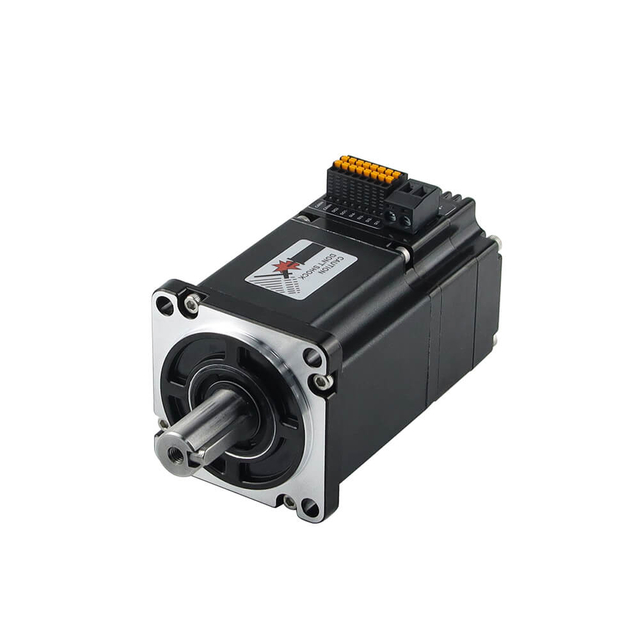
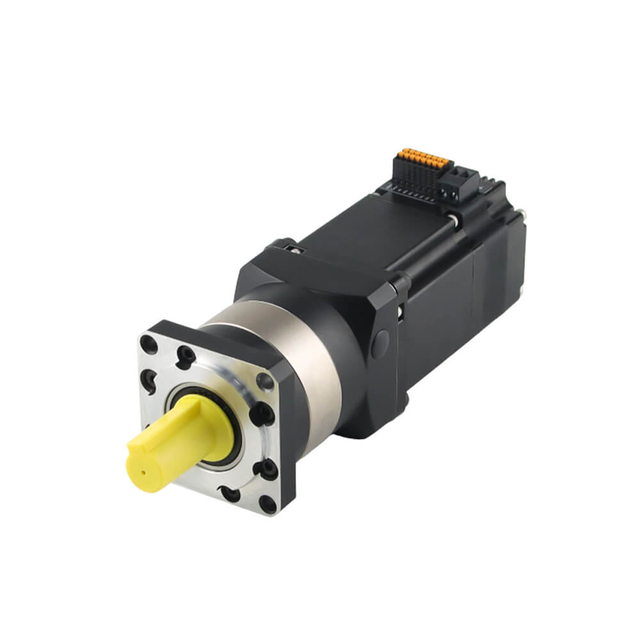
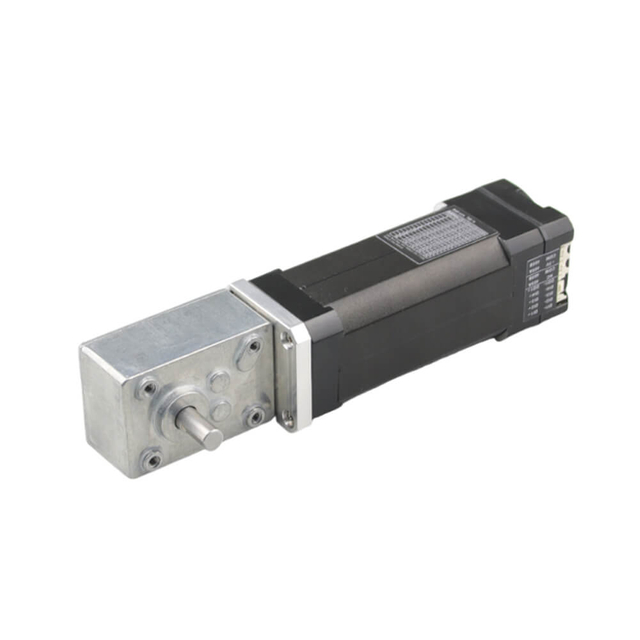
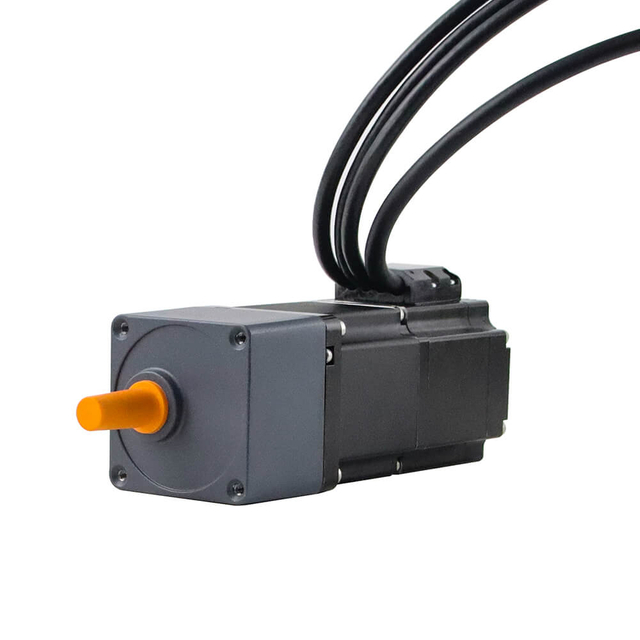
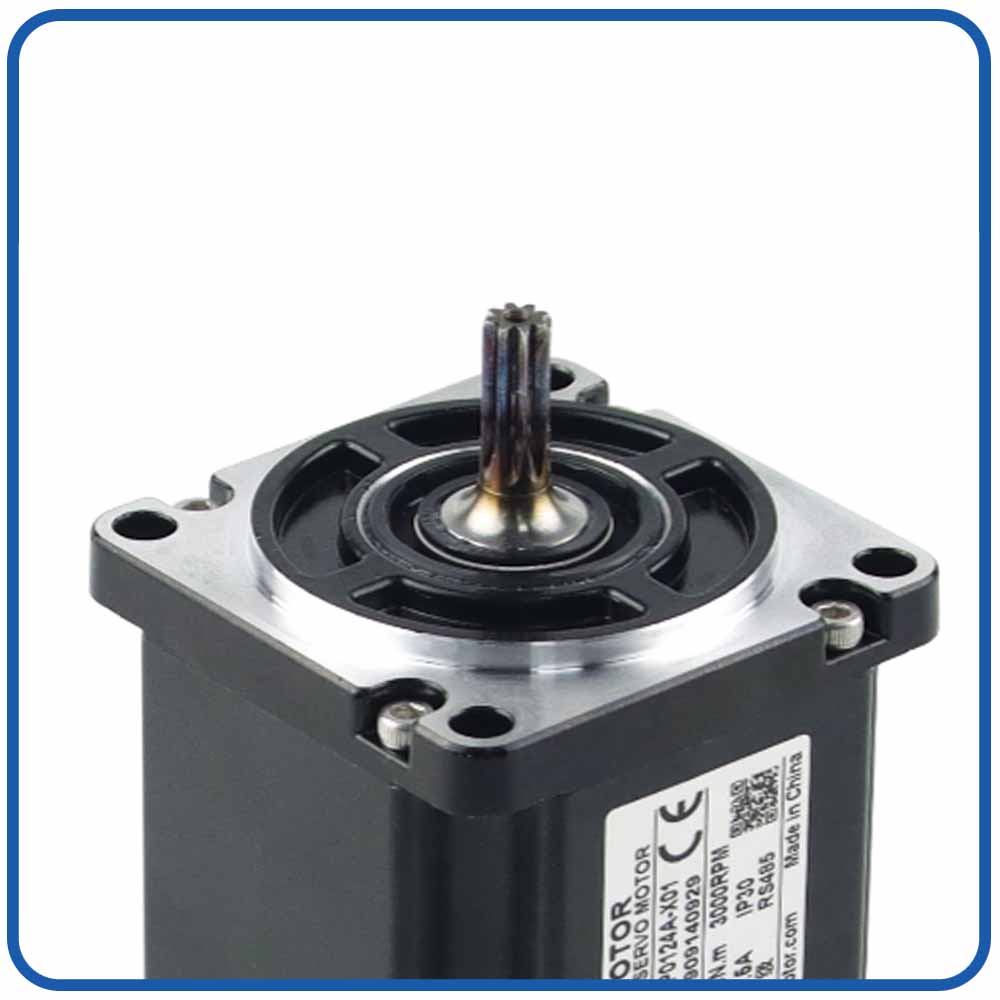
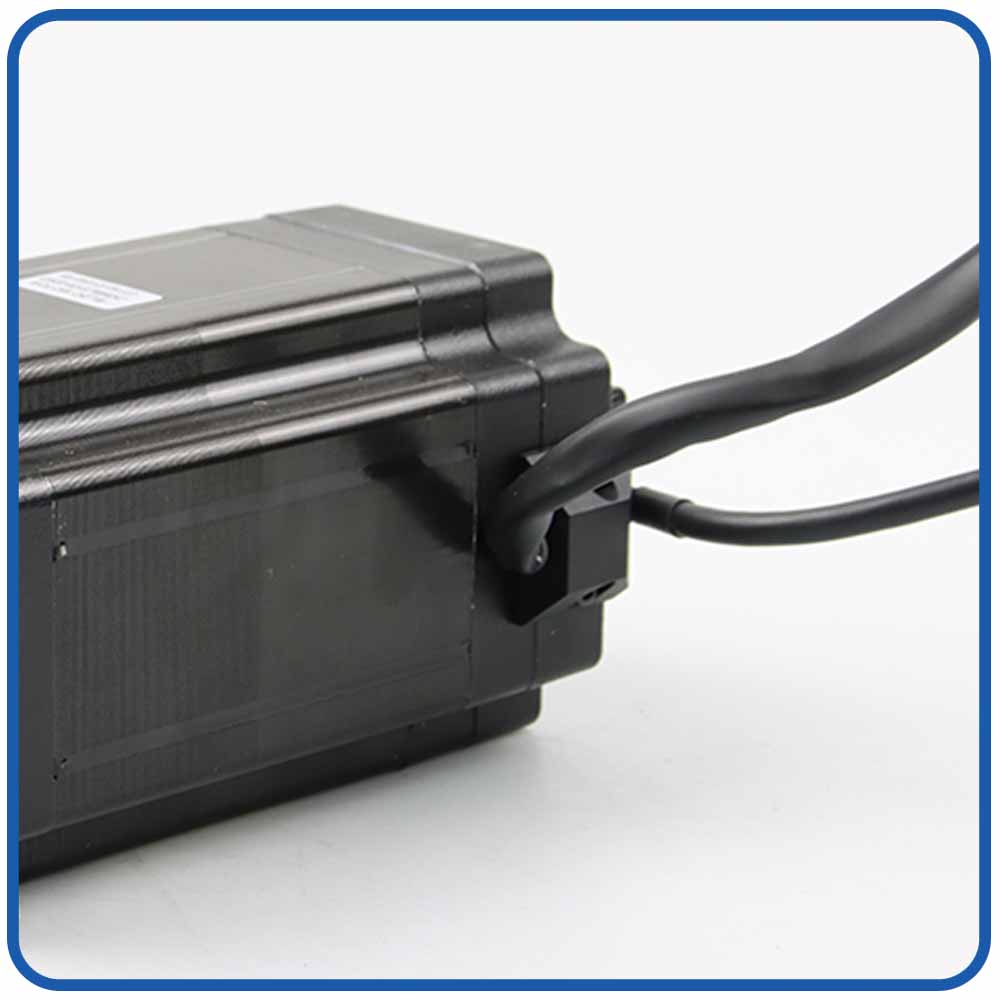
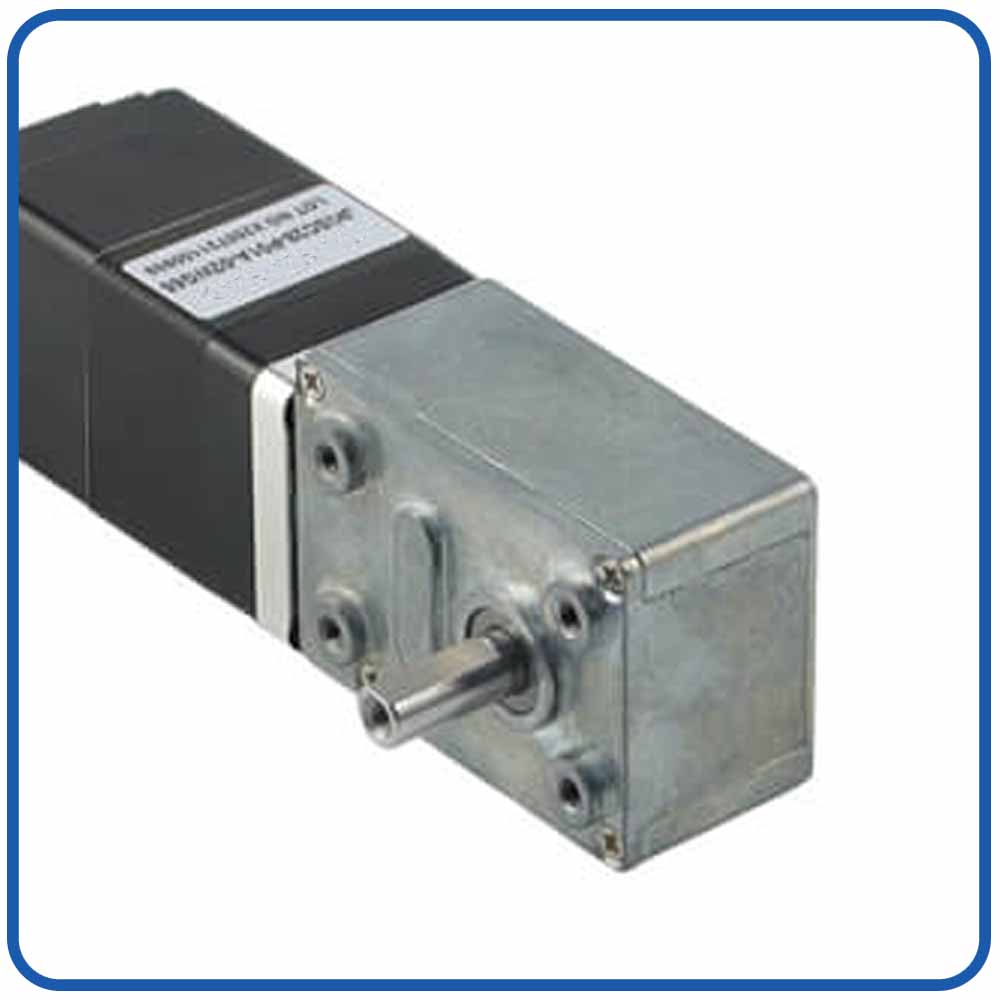
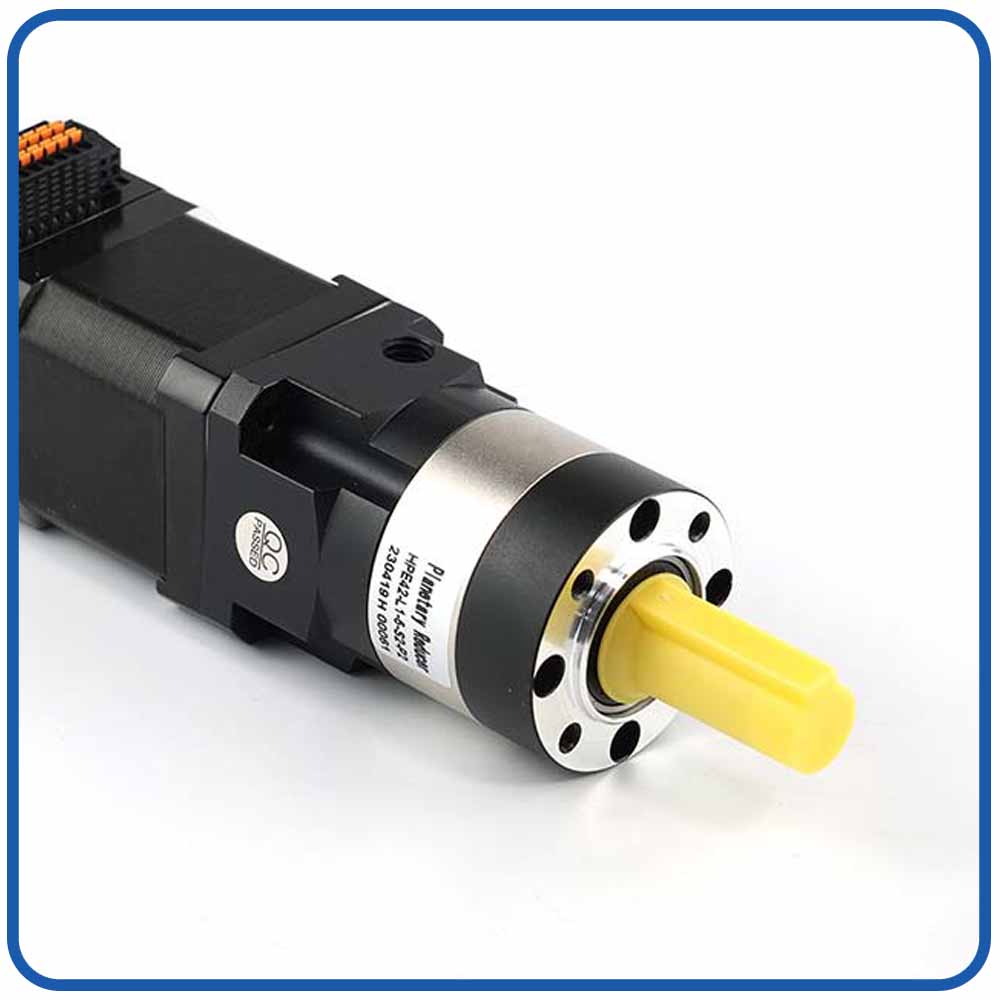
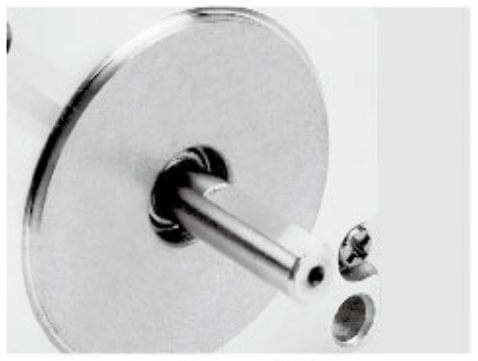
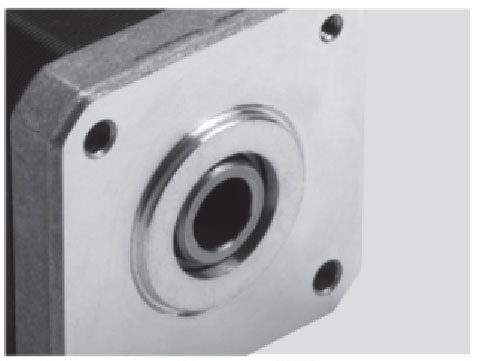
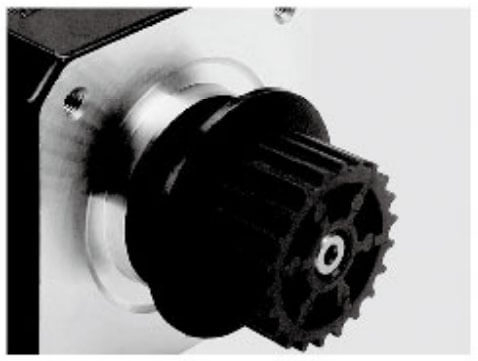
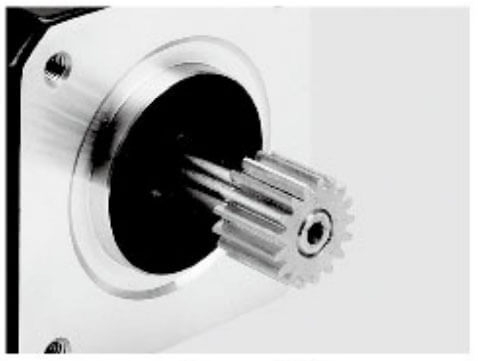
DC servo motors are an effective motion control solution for robotic milking arms because they provide precise positioning, closed-loop feedback, responsive acceleration, and controllable torque. When combined with reliable teat-detection sensors and suitable robotic control software, these motors help automated milking systems achieve repeatable milking-cup positioning and coordinated arm movements. Integrated DC servo motors can further simplify equipment design by combining the motor and drive electronics in a compact assembly, potentially reducing wiring complexity and installation space. For dairy automation manufacturers, key selection criteria include rated torque, operating speed, encoder resolution, communication compatibility, thermal performance, and environmental protection. Choosing a DC servo motor that matches the robotic arm's mechanical load and operating conditions helps improve motion consistency, system reliability, and long-term operational efficiency.
The dairy industry is rapidly adopting automation to improve milking efficiency, maintain consistent milk quality, reduce labor requirements, and support animal welfare. Among the most important technologies driving this transformation are robotic milking systems, which use automated robotic arms to position milking equipment, perform teat preparation, attach milking cups, and monitor the milking process. To execute these tasks reliably, robotic milking arms require a motion control solution that combines precision, responsiveness, stable torque, and dependable operation in demanding agricultural environments.
DC servo motors are an effective motion control solution for robotic milking arms because they provide precise positioning, fast dynamic response, controllable speed, and closed-loop feedback. These capabilities help robotic systems perform repetitive movements accurately while adapting to variations in cow size, udder position, and operating conditions.
When selecting motors for robotic milking equipment, manufacturers must consider more than rated power and rotational speed. Positioning accuracy, torque requirements, feedback resolution, environmental protection, communication interfaces, and long-term maintenance costs all influence the overall performance of the robotic system.
In this article, we examine why robotic milking arms use DC servo motors, how these motors improve motion control, and which technical factors equipment manufacturers should evaluate when designing or upgrading automated dairy systems.
1. What Are the Motion Control Requirements of Robotic Milking Arms?
Robotic milking arms must perform a sequence of coordinated movements to locate the udder, position the milking cups, attach the equipment, and respond to feedback from sensors. Each movement requires an appropriate combination of speed, force, accuracy, and repeatability.
Unlike conventional industrial machinery, robotic milking equipment operates around living animals. The position of the cow can change between cycles, and small differences in posture or udder geometry may require the robotic arm to adjust its trajectory.
Several motion control requirements are particularly important.
1.1 Precise Positioning and Repeatability
A robotic milking arm must position the milking cup close to the correct teat before attachment. Excessive positioning errors can increase attachment time, cause unsuccessful attempts, or require the robot to reposition the cup.
A DC servo motor equipped with an encoder provides feedback about the motor shaft's position and speed. The controller compares the measured motion with the commanded motion and adjusts the motor output to reduce the error.
This closed-loop control helps the robotic arm achieve consistent movement and repeatable positioning. When combined with suitable mechanical transmission components, calibrated sensors, and an appropriate control algorithm, the system can make fine adjustments during the milking process.
It is important to distinguish motor positioning accuracy from the overall accuracy of the robotic arm. Actual teat-positioning performance also depends on encoder resolution, gearbox backlash, structural rigidity, sensor accuracy, calibration, and control-system design.
1.2 Fast Response to Changing Conditions
Cows do not always remain perfectly still during milking. A robotic system may need to compensate for changes in body position or adjust its approach when a sensor detects an unexpected obstacle.
DC servo motors offer rapid acceleration and deceleration, allowing robotic arms to modify their movements without unnecessarily prolonging each operating cycle.
A properly tuned servo drive can respond to changes in commanded position, velocity, and torque. This responsiveness is especially valuable when the robotic arm must transition between rapid positioning movements and slower, more controlled cup-attachment movements.
1.3 Smooth and Controlled Motion
Abrupt movements can cause unnecessary mechanical vibration and may make the robotic arm less predictable around the animal. Smooth motion profiles help reduce mechanical shock, improve positioning consistency, and limit wear on transmission components.
Servo systems can use acceleration limits, deceleration profiles, and trajectory planning to achieve controlled movement. In applications where contact forces must be managed, motor torque feedback or additional force sensors can help the controller regulate movement.
The objective is not simply to move the robotic arm quickly. It is to achieve the required position with an appropriate combination of speed, stability, and controlled interaction.
1.4 Reliable Operation in Agricultural Environments
Dairy facilities expose equipment to moisture, cleaning chemicals, dust, organic residues, and frequent washdown procedures. Motors installed on robotic milking arms must therefore be selected according to the actual environmental conditions.
A suitable motor may require sealed connectors, corrosion-resistant materials, an appropriate enclosure rating, and protective cable routing. The motor, encoder, and drive electronics must all be considered when evaluating environmental durability.
These requirements make motor selection a system-level engineering decision rather than a comparison based only on electrical specifications.
2. Why Do Robotic Milking Arms Choose DC Servo Motors?
DC servo motors combine controllable motion with feedback-based correction, making them suitable for robotic mechanisms that require accurate and repeatable positioning.
2.1 Closed-Loop Position Control Improves Attachment Accuracy
One of the main reasons equipment manufacturers choose DC servo motors is their ability to operate within a closed-loop motion control system.
An encoder measures motor rotation and sends feedback to the servo controller. The controller compares the measured position with the target position and adjusts the motor command to reduce the difference.
This process can be repeated continuously during movement, helping the system maintain the commanded trajectory.
For robotic milking arms, closed-loop positioning is useful when moving between predefined positions, approaching a teat, retracting a cup, or returning the arm to its standby position.
However, encoder feedback alone does not identify the cow's teat location. The complete system generally requires vision sensors, laser sensors, other positioning technologies, or a combination of sensing methods to determine the target location.
The servo motor then executes the movement commanded by the higher-level control system.
2.2 High Dynamic Performance Supports Efficient Milking Cycles
Milking robots must complete repeated movements throughout the day. Reducing unnecessary movement time can improve throughput, provided that animal comfort, attachment reliability, and process requirements remain the priorities.
DC servo motors can deliver high dynamic performance when appropriately sized and configured. Their acceleration capability allows the robotic arm to move rapidly between operating positions, while controlled deceleration supports precise final positioning.
The resulting motion sequence can be divided into different stages:
Rapid approach: The arm moves toward the estimated teat location.
Fine positioning: The controller reduces speed as the end effector approaches the target.
Cup attachment: The arm performs the final movement according to the system's sensing and control strategy.
Retraction: The arm withdraws the equipment in a controlled manner.
Return movement: The arm returns to its next operating position.
Using different motion profiles for each stage helps balance cycle time and positioning accuracy.
2.3 Stable Torque Supports Consistent Movement
A robotic milking arm must overcome its own inertia, mechanical friction, transmission resistance, and external loads. The required torque can vary with arm extension, joint angle, acceleration, and the weight of the end effector.
DC servo motors provide controllable torque through their drive systems. In many motor designs, torque is closely related to current, allowing the controller to regulate motor output within the motor's electrical and thermal limits.
This capability is valuable when a robotic arm needs to move smoothly at low speeds or maintain a controlled position against changing mechanical loads.
Nevertheless, the motor must be sized according to the actual load profile. Engineers should evaluate continuous torque, peak torque, acceleration requirements, reflected inertia, and thermal performance rather than relying exclusively on rated power.
2.4 Compact Design Supports Robotic Integration
Robotic milking arms often have limited installation space. Motors mounted on moving joints contribute to the overall mass and inertia of the mechanism.
A compact DC servo motor can help equipment manufacturers reduce the space required for the drive system and simplify mechanical integration.
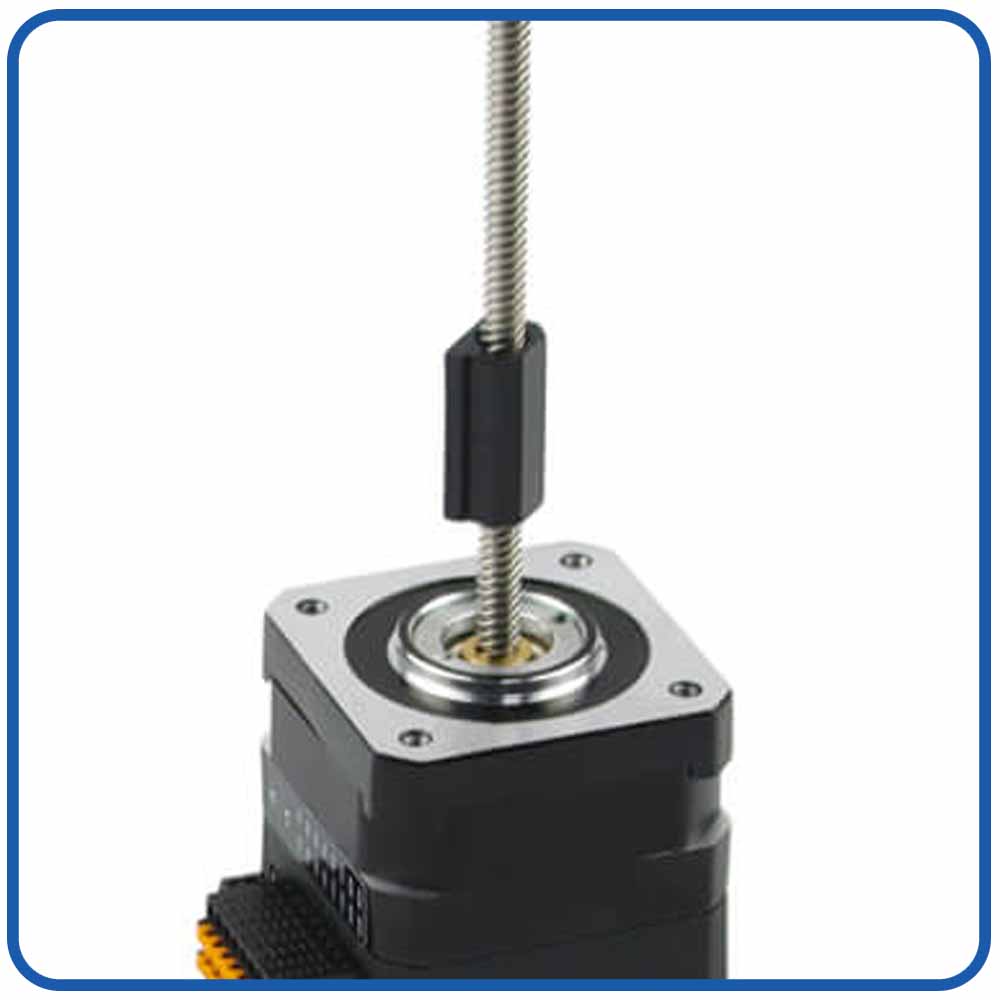
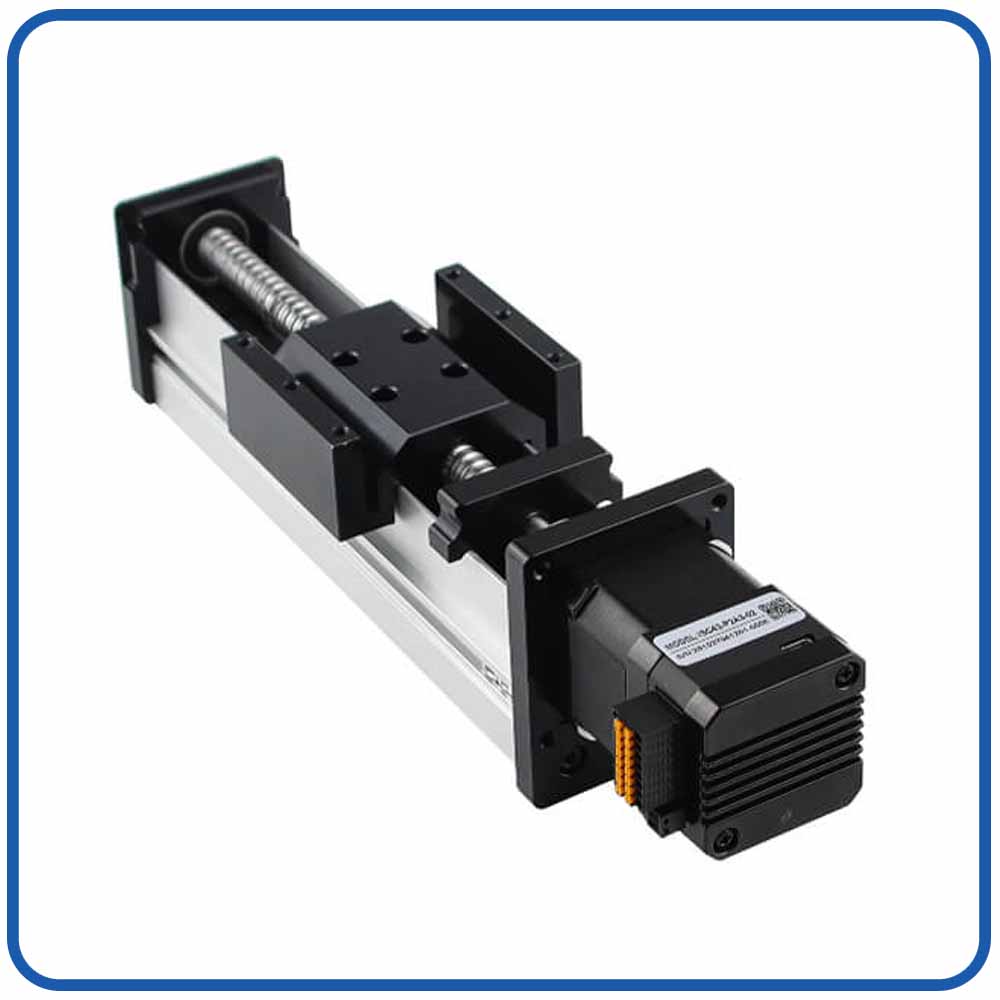
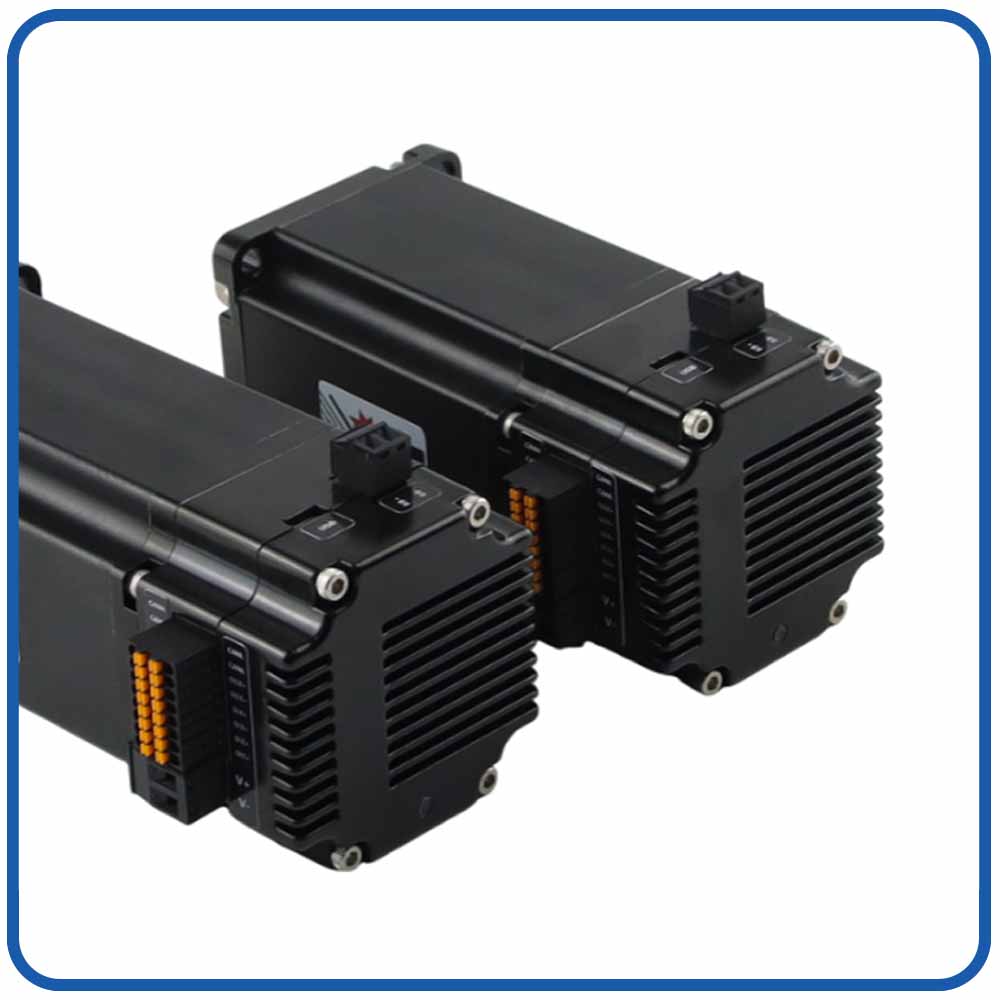
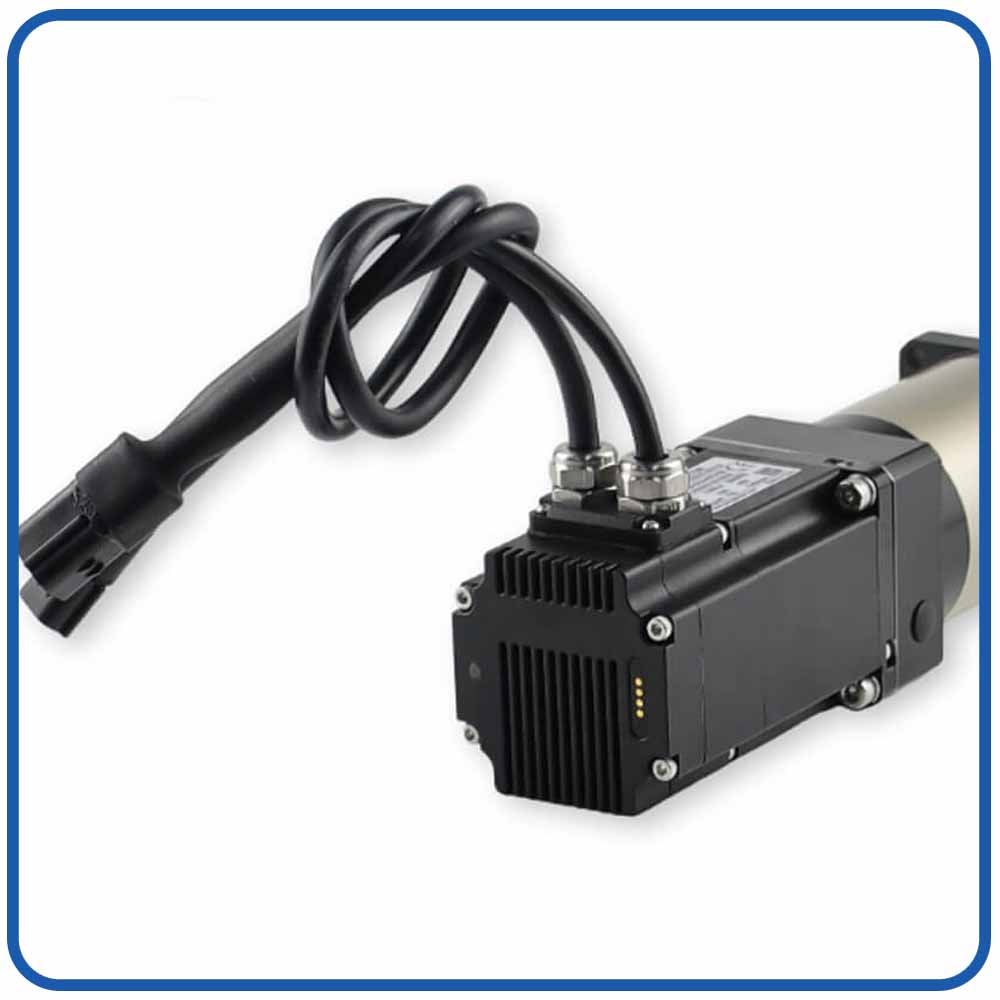
An integrated DC servo motor may combine the motor, encoder, drive electronics, and communication interface within one assembly. Depending on the product design, this configuration can reduce external wiring, simplify installation, and decrease the number of separate components mounted inside the equipment.
For multi-axis robotic systems, reducing wiring complexity can also improve cable management and make the overall control architecture easier to organize.
The final choice between a conventional servo motor with a separate drive and an integrated servo motor depends on power requirements, heat dissipation, serviceability, communication needs, and available mounting space.
3. How Do Integrated DC Servo Motors Improve Robotic Milking Systems?
Integrated DC servo motors improve robotic milking systems by combining precise motion control, compact construction, simplified wiring, and flexible communication capabilities in a single drive unit. These advantages help equipment manufacturers develop robotic milking arms that operate accurately, respond quickly to changing conditions, and maintain reliable performance during repeated milking cycles.
Unlike conventional motor configurations that use separate motors, encoders, and servo drives, integrated DC servo motors combine multiple motion control components within one assembly. Depending on the model, the motor may incorporate a DC servo motor, encoder, drive electronics, and communication interface, reducing the number of external components required for each motion axis.
For robotic milking applications, this integrated architecture can simplify equipment design while supporting accurate positioning, coordinated movement, and easier system integration. The following sections explain the main benefits of integrated DC servo motors in automated dairy equipment.
3.1 Improved Positioning Accuracy Through Closed-Loop Control
Precise positioning is essential for robotic milking arms because the system must move milking cups toward the correct teat locations and execute repeatable movement sequences.
Integrated DC servo motors typically use encoder feedback to measure motor position and speed. The built-in drive processes the feedback and adjusts motor output according to the commanded motion profile. This closed-loop control helps reduce positioning errors and maintain consistent movement under changing loads.
When integrated with vision systems, laser sensors, or other teat-detection technologies, servo-driven robotic arms can execute positioning commands based on the detected location of the animal's udder.
The encoder itself does not detect teat locations; instead, it provides feedback about motor movement. Overall positioning accuracy depends on the combined performance of the motor, transmission, sensors, controller, and mechanical structure.
For robotic milking equipment manufacturers, integrated DC servo motors provide a practical foundation for repeatable motion control and coordinated robotic movement.
3.2 Reduced Wiring and Simplified Installation
Traditional servo systems often require separate motor power cables, encoder connections, and drive-related wiring. Depending on the system architecture, additional cabinet space and external connections may also be necessary.
Integrated DC servo motors combine the motor and drive electronics in one assembly, with feedback components and communication interfaces incorporated according to the product design. This can reduce the number of separately installed components and simplify the wiring layout.
For robotic milking arms with multiple motion axes, fewer external connections can offer several practical advantages:
Simplified installation: Fewer separate components can reduce assembly complexity.
Reduced wiring requirements: Integrated feedback and drive electronics can eliminate certain external connections.
More compact equipment design: Reduced dependence on separate servo drives can free space within the machine or control cabinet.
Easier system standardization: Manufacturers can develop repeatable motion-axis configurations across different equipment models.
Although integration can simplify the overall design, power supplies, communication networks, safety circuits, and other external connections may still be required. Engineers should evaluate the complete wiring architecture before selecting a motor.
3.3 Faster Motion Response and More Efficient Operating Cycles
Robotic milking systems must coordinate several movements, including approaching the udder, positioning the milking cups, retracting the arm, and returning to the next operating position.
Integrated DC servo motors can provide responsive acceleration, controlled deceleration, and feedback-based position correction when appropriately selected and configured.
The integrated drive processes motion commands and encoder feedback locally, allowing the motor to regulate its movement according to the configured control loops. This arrangement can support consistent motion performance and simplify the implementation of coordinated movement sequences.
For example, a robotic milking arm may use a higher-speed profile when moving toward an approximate target location and a slower profile during final positioning. Once the required operation is complete, the arm can retract and move toward its next commanded position.
By optimizing these motion profiles, equipment manufacturers can reduce unnecessary movement and improve cycle efficiency without sacrificing the positioning accuracy required for reliable operation.
Actual response time depends on the motor's electrical characteristics, drive performance, controller settings, mechanical load, communication architecture, and servo tuning.
3.4 Compact Structure for Space-Constrained Robotic Arms
Robotic milking arms must accommodate motors, mechanical transmissions, sensors, cabling, and other components within a limited installation space. Excessive motor size or weight can complicate mechanical integration and increase the inertia of moving joints.
Integrated DC servo motors can reduce the space needed for separately mounted drive electronics. This makes them attractive for compact robotic mechanisms and multi-axis motion systems.
A compact integrated drive can also simplify mechanical layout by reducing the number of individual components that must be positioned and secured.
However, a smaller motor is not automatically the best choice. Engineers must balance overall dimensions against continuous torque, peak torque, rated speed, thermal performance, and expected service life.
Where motors are mounted on moving joints, reducing motor mass may help limit rotational inertia. The actual benefit depends on the motor's location, the robotic arm's geometry, and the distribution of mechanical loads.
3.5 Flexible Communication for Coordinated Motion Control
Modern robotic milking equipment may integrate several servo motors with a central controller, programmable logic controller, industrial computer, and sensor network. Reliable communication is necessary to coordinate movements and monitor operating status.
Depending on the model, integrated DC servo motors may support interfaces such as CANopen, Modbus RTU, RS-485, or other industrial communication protocols.
These interfaces can allow the controller to transmit motion commands, configure operating parameters, retrieve status information, and identify reported drive faults.
For example, a multi-axis robotic arm may require one motor to move the main joint while another adjusts the end-effector position. A compatible communication architecture allows the controller to coordinate these movements according to the programmed sequence.
Before selecting an integrated DC servo motor, manufacturers should confirm protocol compatibility, electrical interface requirements, communication speed, supported control modes, and synchronization capabilities.
The selected motor must also provide the necessary diagnostic information and configuration functions for the intended control system.
3.6 Simplified Maintenance and Improved Fault Monitoring
Integrated DC servo motors may provide built-in diagnostic functions that help engineers and maintenance teams monitor operating conditions.
Depending on the product, available information may include motor current, drive temperature, position error, operating status, and fault codes. These data can help identify abnormal operating patterns and support troubleshooting.
For instance, an increase in motor current under comparable operating conditions may indicate increased mechanical resistance, a change in load, or an issue with the transmission. Excessive position error may indicate a mechanical obstruction, inadequate torque, incorrect tuning, or another control-related problem.
These indicators require further investigation rather than automatically identifying a specific fault.
By incorporating available diagnostic information into the machine controller or maintenance system, equipment manufacturers can make fault identification more systematic and reduce unnecessary troubleshooting time.
Integrated construction may also reduce the number of separately mounted components that require inspection. Nevertheless, maintenance requirements still depend on the complete system, including bearings, gearboxes, connectors, cables, seals, and mechanical joints.
3.7 Reliable Performance in Dairy Farm Environments
Dairy farms present demanding environmental conditions for electrical equipment. Motors may be exposed to moisture, cleaning agents, dust, organic residues, and temperature fluctuations.
Integrated DC servo motors must therefore be selected according to the actual environmental conditions of the robotic milking system.
Important considerations include enclosure protection, connector sealing, corrosion resistance, cable routing, operating temperature, and the protection of integrated electronics.
An appropriate ingress protection rating can help reduce the risk of water and particle intrusion, but it does not automatically establish resistance to all cleaning chemicals or sanitation procedures. Manufacturers should verify the complete assembly's suitability for the intended cleaning process.
Thermal management is equally important. Integrated drive electronics generate heat, and the motor's operating temperature depends on current, torque demand, duty cycle, ambient conditions, and heat dissipation.
Selecting a motor with suitable environmental and thermal characteristics helps support dependable operation during repeated milking cycles.
3.8 Lower System Complexity and Potential Lifecycle Cost Benefits
Although integrated DC servo motors may have a higher unit price than some basic motor solutions, their overall value should be assessed in terms of the complete motion control system.
By combining multiple components into one assembly, an integrated motor may reduce separate drive purchases, mounting hardware, wiring requirements, and assembly labor.
For equipment manufacturers producing robotic milking systems in volume, these advantages can help simplify production processes and standardize motion-control designs.
Lifecycle cost evaluation should also consider installation time, maintenance requirements, energy consumption, replacement procedures, and the expected service life of the motor and associated components.
Integration does not guarantee lower total cost in every application. Engineers should compare the complete bill of materials and operating requirements against those of a conventional motor-and-drive configuration.
Conclusion
Integrated DC servo motors improve robotic milking systems by combining closed-loop positioning, responsive motion control, compact construction, simplified wiring, and flexible communication capabilities. These features help manufacturers develop robotic arms that perform repeatable movements while reducing the complexity of mechanical and electrical integration.
For dairy automation applications, the most suitable integrated DC servo motor should provide adequate torque and speed, appropriate encoder feedback, compatible communication protocols, reliable thermal performance, and sufficient environmental protection.
By evaluating these characteristics alongside the robotic arm's mechanical design and sensing system, equipment manufacturers can select an integrated motion control solution that supports accurate positioning, efficient operation, and long-term reliability.
4. DC Servo Motors vs. Stepper Motors for Robotic Milking Arms
DC servo motors and stepper motors can both be used in automated motion systems, but their operating characteristics differ.
The appropriate choice depends on the required positioning performance, load dynamics, operating speed, control architecture, and total system cost.
Comparison factor
DC servo motor
Stepper motor
Position feedback
Commonly uses encoder feedback in a closed-loop system
May operate open-loop or use encoder feedback in a closed-loop configuration
Dynamic response
Well suited to applications requiring rapid changes in speed and position
Performance depends on motor design, drive settings, speed, and load
Torque characteristics
Requires evaluation of continuous and peak torque across the operating range
Torque generally decreases as speed increases, depending on motor and drive characteristics
Positioning behavior
Controller continuously corrects motion according to available feedback
Open-loop systems may lose synchronism under excessive load; closed-loop systems can detect and correct certain errors
System complexity
Often requires servo tuning and appropriate feedback configuration
Open-loop control may be simpler for less demanding motion tasks
Typical application fit
Dynamic robotic axes requiring feedback and coordinated motion
Cost-sensitive positioning axes with predictable loads and suitable speed requirements
For robotic milking arms, servo motors are often attractive for axes that require dynamic positioning, continuous feedback, or coordinated movement under changing loads.
Stepper motors may remain suitable for auxiliary mechanisms with predictable loads and less demanding dynamic requirements.
The decision should be based on measured application requirements rather than the assumption that one motor technology is universally superior.
5. Key Parameters for Selecting a DC Servo Motor for Robotic Milking Arms
Selecting the right DC servo motor for robotic milking arms is essential for achieving accurate positioning, smooth motion, reliable operation, and long-term durability. Robotic milking systems operate in demanding agricultural environments where motors must handle frequent start-stop cycles, changing mechanical loads, and continuous operation while maintaining consistent motion control.
When evaluating a DC servo motor, we recommend considering the following key parameters: rated torque, operating speed, encoder resolution, control performance, communication protocols, environmental protection, and thermal characteristics. A comprehensive evaluation helps equipment manufacturers select a motor that meets both the mechanical requirements and the operational demands of automated milking systems.
5.1 Rated Torque and Motor Power
Rated torque is one of the most important parameters when selecting a DC servo motor for a robotic milking arm. The motor must generate sufficient torque to move the robotic mechanism, overcome friction, accelerate the load, and maintain stable movement under different operating conditions.
The required torque depends on the arm's weight, payload, center of gravity, transmission ratio, mechanical resistance, and acceleration profile. For multi-axis robotic arms, each joint may require a different torque rating because its load and movement characteristics vary.
When selecting a motor, we recommend evaluating both continuous torque and peak torque. Continuous torque determines whether the motor can operate reliably throughout its duty cycle, while peak torque indicates its ability to handle short-duration demands during acceleration or rapid repositioning.
Accurate motor sizing helps prevent insufficient acceleration, excessive temperature rise, and unnecessary energy consumption.
5.2 Rated Speed and Dynamic Response
Robotic milking arms perform multiple movements during each milking cycle, including approaching the target position, adjusting the milking cup, retracting the arm, and returning to the standby position. The motor must provide an appropriate speed range to complete these movements efficiently.
A DC servo motor with suitable dynamic response enables fast movement while maintaining controlled positioning. However, the highest possible speed is not always the best choice. Excessive speed during the final approach can increase overshoot and make accurate positioning more difficult.
We recommend evaluating the motor's rated speed, acceleration capability, deceleration performance, and response to changing commands. The motion controller should support different speed profiles for rapid positioning and precise final movement.
Where a gearbox is required, its reduction ratio must be considered alongside motor speed and torque. Engineers should also evaluate gearbox backlash, transmission efficiency, mechanical stiffness, and service life to ensure that the complete drive system meets the robotic arm's performance requirements.
5.3 Encoder Resolution and Positioning Accuracy
Accurate positioning is essential for robotic milking arms because the system must coordinate mechanical movement with sensor-based teat detection and milking-cup attachment.
A DC servo motor typically uses an encoder to provide feedback on shaft position and speed. The controller compares the measured position with the commanded target and adjusts the motor output to minimize the positioning error.
Encoder resolution affects feedback granularity, but it does not independently determine the final positioning accuracy of the robotic arm. Actual accuracy also depends on encoder quality, control-loop tuning, gearbox backlash, mechanical compliance, sensor calibration, and structural rigidity.
For this reason, we recommend defining the required end-effector positioning accuracy before selecting the encoder specification. The motor, transmission, sensors, and control software should be evaluated as one integrated motion control system.
5.4 Communication Protocols and Control Modes
Modern robotic milking systems often integrate multiple motors with a central controller, industrial computer, programmable logic controller, and sensor network. The communication interface of the selected DC servo motor must be compatible with the system architecture.
Depending on the motor model, available communication options may include CANopen, Modbus RTU, RS-485, or other industrial communication interfaces. These interfaces can support the exchange of motion commands, operating status, diagnostic information, and fault messages.
Before selecting a motor, we recommend confirming the supported protocol, electrical interface, communication speed, configuration method, and compatibility with the main controller.
Control modes are equally important. Position control supports movement to specified coordinates, velocity control regulates rotational speed, and torque or current control can support applications requiring controlled motor output.
For multi-axis robotic arms, compatible communication and control functions help simplify integration and coordinate movements across different joints.
5.5 Protection Rating and Corrosion Resistance
Robotic milking equipment operates in environments where moisture, dust, cleaning agents, and organic residues can affect motor reliability. Therefore, environmental protection is a critical consideration when selecting a DC servo motor for dairy automation.
We recommend evaluating the motor's IP rating, connector protection, sealing design, cable entry structure, and corrosion resistance according to the actual installation conditions.
An appropriate IP rating indicates protection against specified levels of solid-particle and water ingress. However, it does not automatically guarantee resistance to every cleaning chemical, high-pressure washdown procedure, or prolonged exposure to corrosive substances.
Manufacturers should verify the protection level of the complete installed assembly, including connectors and cable connections. Where necessary, additional protective covers, suitable materials, and improved cable routing can help reduce environmental risks.
5.6 Operating Temperature and Thermal Performance
DC servo motors generate heat during operation, particularly when they deliver high torque or repeatedly accelerate and decelerate a mechanical load. In robotic milking systems that operate throughout the day, inadequate thermal management can reduce performance and shorten component service life.
When evaluating thermal performance, we recommend considering ambient temperature, continuous current, duty cycle, operating speed, cooling conditions, mounting configuration, and heat generated by integrated drive electronics.
For integrated DC servo motors, the motor and drive electronics must be evaluated together because both contribute to the overall thermal load.
Testing the motor under representative operating conditions helps verify that its temperature remains within the manufacturer's specified limits. Proper motor sizing and suitable heat dissipation are essential for maintaining reliable performance during continuous operation.
5.7 Mechanical Dimensions and Installation Compatibility
The motor's physical dimensions directly affect how easily it can be integrated into a robotic milking arm. Limited installation space, joint geometry, shaft alignment, and cable routing may restrict the available motor configurations.
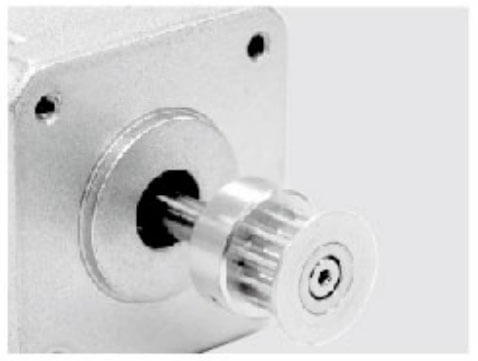
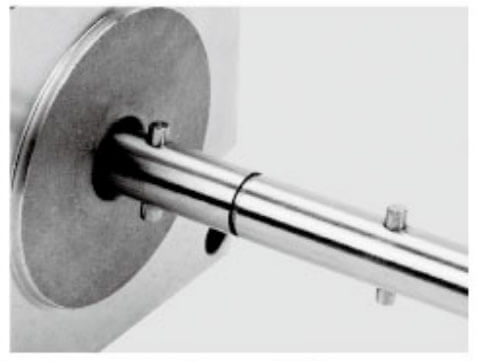
We recommend checking the motor's overall dimensions, mounting-hole pattern, shaft diameter, connector position, and available mounting accessories before finalizing the design.
For robotic arms with multiple joints, a compact motor can help reduce installation space and may simplify mechanical integration. However, motor size must be balanced against torque requirements, thermal performance, and structural strength.
If a gearbox or coupling is required, its dimensions and mechanical characteristics should also be included in the evaluation.
5.8 Service Life, Reliability, and Maintenance Requirements
Long-term reliability is essential for robotic milking equipment because unexpected motor failure can interrupt automated operation and increase maintenance costs.
When selecting a DC servo motor, we recommend evaluating bearing life, operating temperature, feedback-device reliability, connector durability, and the manufacturer's maintenance recommendations.
The expected service life of the complete drive system depends on more than the motor itself. Gearboxes, couplings, cables, connectors, mounting structures, and control electronics can all influence overall reliability.
Diagnostic functions can provide additional value by reporting operating conditions such as motor current, following error, drive temperature, and fault status, where supported. Monitoring these parameters can help maintenance teams identify abnormal operating patterns and investigate potential problems before they cause extended downtime.
5.9 How to Choose the Right DC Servo Motor
To simplify the selection process, we recommend following a structured evaluation procedure:
Define the mechanical load: Calculate the required torque, speed, acceleration, and inertia for each robotic arm axis.
Determine positioning requirements: Establish the target accuracy and repeatability, then select suitable encoder and sensing solutions.
Confirm control compatibility: Verify the required communication protocol, control modes, and controller interface.
Evaluate environmental conditions: Select appropriate protection, sealing, and corrosion-resistance characteristics.
Test the complete system: Validate positioning accuracy, dynamic response, communication reliability, and long-term operating stability under realistic conditions.
By considering these parameters together, equipment manufacturers can identify a DC servo motor that meets the specific requirements of robotic milking applications while balancing performance, installation complexity, reliability, and total lifecycle cost.
6. How DC Servo Motors Contribute to Animal Welfare and Operational Efficiency
Automation in dairy farming must balance productivity with animal welfare. Motion control is one component of that balance.
6.1 More Consistent Cup Positioning
Accurate motion control helps the robotic arm follow repeatable trajectories. When combined with reliable teat detection and appropriate attachment algorithms, this can support consistent milking-cup positioning.
A more predictable movement sequence may reduce unnecessary repositioning and repeated attachment attempts.
The overall result depends on the complete robotic system, including sensing, mechanical design, software, and the condition of the milking equipment.
6.2 Reduced Unnecessary Movement
Efficient motion planning can reduce unnecessary travel between target positions. By coordinating motor speed and acceleration with the robot's operating sequence, the system can limit avoidable movement while maintaining the required positioning accuracy.
Reduced unnecessary movement may also lower mechanical wear and energy consumption, although the actual savings depend on the design and operating profile.
6.3 Improved Fault Detection and Maintenance Planning
Encoder feedback and servo-drive diagnostics can provide useful information about motor operation.
Depending on the system, available data may include position error, following error, motor current, drive temperature, and fault status.
Unusual changes in these values may indicate increasing mechanical resistance, incorrect tuning, excessive load, or other developing problems. They should be treated as diagnostic indicators rather than definitive proof of a particular fault.
By integrating motor diagnostics into a broader maintenance strategy, equipment operators may identify certain issues earlier and reduce unexpected downtime.
6.4 Consistent Operation Across Repeated Cycles
Robotic milking systems must perform many repeated movements under varying loads and environmental conditions.
A correctly selected and configured servo motor can maintain consistent commanded motion within its operating limits. This supports predictable movement sequences and helps equipment manufacturers standardize machine behavior.
However, reliable operation also requires appropriate lubrication, mechanical inspection, cable management, sensor calibration, and preventive maintenance.
7. Common Challenges When Integrating DC Servo Motors into Robotic Milking Arms
Although DC servo motors offer important advantages, successful implementation requires attention to several engineering challenges.
7.1 Incorrect Motor Sizing
Undersized motors may struggle with acceleration, stall under excessive loads, or overheat during repeated operation. Oversized motors can increase system cost, mass, and energy consumption.
Engineers should calculate the load profile for each axis and validate the selected motor under realistic operating conditions.
7.2 Inadequate Servo Tuning
Poorly tuned control loops may cause oscillation, overshoot, slow settling, or excessive mechanical vibration.
Servo tuning should consider the motor, transmission, mechanical stiffness, load inertia, and operating speed. The objective is to achieve stable motion with acceptable response time and positioning error.
7.3 Insufficient Environmental Protection
A motor that performs well in a laboratory may not be suitable for an exposed dairy installation.
Engineers should assess moisture exposure, chemical compatibility, connector protection, and cleaning procedures before finalizing the motor specification.
7.4 Communication and Control Compatibility
Differences in communication protocols or control interfaces can complicate system integration.
Before purchasing motors for a new design, manufacturers should confirm protocol support, electrical compatibility, configuration tools, and the availability of the required control functions.
7.5 Incomplete System-Level Testing
Testing a motor independently does not establish that the complete robotic arm will meet its performance targets.
The integrated system should be evaluated for positioning accuracy, cycle time, repeatability, thermal behavior, communication reliability, fault recovery, and environmental durability.
Testing should also confirm that the robotic arm behaves appropriately when sensors detect unexpected movement or when a motion command cannot be completed.
8. How to Test DC Servo Motors Before Mass Production
Pre-production testing helps equipment manufacturers identify potential design problems before committing to large-scale manufacturing.
A structured validation process should include the following stages.
8.1 Verify Electrical and Mechanical Specifications
Confirm the motor's rated voltage, continuous current, rated speed, continuous torque, peak torque, encoder specifications, mounting dimensions, shaft configuration, and communication interface.
Verify that the motor matches the intended mechanical design and power supply.
8.2 Test Positioning Accuracy and Repeatability
Command the motor to move between representative target positions and measure the actual output position.
Repeat the test under different loads and operating speeds. Where a gearbox or linkage is used, measure the position of the relevant output axis rather than relying exclusively on motor-shaft feedback.
8.3 Evaluate Dynamic Response
Measure acceleration, deceleration, settling time, overshoot, and following error under representative operating conditions.
Test both rapid positioning movements and slower final-approach movements to verify that the system can meet its performance requirements.
8.4 Conduct Continuous Operation and Thermal Tests
Operate the motor through representative duty cycles and monitor temperature, current, torque demand, and drive status.
The test duration and acceptance criteria should reflect the intended operating environment and manufacturer specifications.
8.5 Validate Communication and Fault Handling
Test command transmission, feedback reporting, parameter configuration, fault detection, and recovery behavior.
Where the application requires coordinated motion across multiple axes, verify synchronization and confirm that the controller responds correctly to communication interruptions.
8.6 Perform Environmental and Endurance Testing
Evaluate the assembled motor system under relevant moisture exposure, vibration, temperature, and cleaning conditions.
Long-duration testing can help identify issues involving connectors, seals, cable routing, mechanical wear, and thermal stability.
Testing should follow a documented plan with defined acceptance criteria so that results can be compared consistently across production batches.
9. Future Trends in Servo Motor Technology for Robotic Milking Systems
The continued development of automated dairy equipment is likely to increase demand for compact, intelligent, and reliable motion control solutions.
9.1 Greater Integration of Motor and Drive Electronics
Integrated servo motors can reduce installation complexity and support modular equipment design.
As integration improves, equipment manufacturers may benefit from more compact motion axes, simplified wiring, and more consistent motor-drive configurations.
The practical value of integration will continue to depend on power density, thermal management, environmental protection, and serviceability.
9.2 Smarter Motion Diagnostics
Servo-drive data can support more advanced condition monitoring. By analyzing trends in current, following error, operating temperature, and fault frequency, maintenance systems may identify abnormal operating patterns before they cause a complete failure.
More sophisticated monitoring can also combine motor data with information from sensors, controllers, and maintenance records.
Such approaches require suitable data collection and analysis; the presence of a servo motor alone does not provide predictive maintenance automatically.
9.3 More Flexible Robotic Architectures
Modular motor and controller interfaces can help equipment manufacturers adapt robotic platforms to different mechanical configurations.
Standardized communication and configurable motion profiles may simplify the development of new robotic arms and support more flexible machine layouts.
9.4 Increased Focus on Reliability and Lifecycle Cost
Dairy automation operates in environments where downtime can disrupt daily production schedules. Motor selection is therefore increasingly concerned with total lifecycle cost rather than initial purchase price alone.
Factors include energy consumption, maintenance frequency, installation time, replacement costs, diagnostic capabilities, and expected service life.
A motor that meets the required performance targets while simplifying maintenance may offer greater long-term value than a lower-cost alternative that requires more frequent intervention.
Conclusion: DC Servo Motors Are a Practical Choice for Robotic Milking Arms
DC servo motors are well suited to robotic milking arms because they combine closed-loop motion control, responsive acceleration, controllable torque, and repeatable positioning. These characteristics support the precise, coordinated movements required for teat detection workflows, milking-cup attachment, arm retraction, and repeated robotic operation.
For equipment manufacturers, integrated DC servo motors can offer additional advantages through compact construction, reduced external wiring, and flexible communication options. Their suitability depends on the motor's torque and speed capabilities, encoder performance, environmental protection, thermal design, and compatibility with the robotic controller.
Successful implementation requires a system-level approach. Engineers should evaluate the mechanical load profile, select appropriate feedback and transmission components, validate communication compatibility, and test the complete robotic arm under realistic operating conditions.
By combining the right DC servo motor with accurate sensing, robust mechanical design, and carefully developed control software, manufacturers can build robotic milking systems that deliver consistent motion, reliable operation, and efficient long-term performance.
FAQ 1: Why do robotic milking arms use DC servo motors?
Robotic milking arms use DC servo motors because they provide precise positioning, fast dynamic response, controllable torque, and closed-loop feedback. These capabilities help robotic systems position milking cups accurately, perform repeatable movements, and adapt to changing operating conditions.
FAQ 2: How do DC servo motors improve positioning accuracy in robotic milking systems?
DC servo motors use encoder feedback to measure motor position and speed. The servo controller compares actual movement with the commanded position and adjusts motor output to reduce positioning errors. Combined with reliable teat-detection sensors and suitable mechanical components, this supports accurate milking-cup positioning.
FAQ 3: What are the advantages of integrated DC servo motors for robotic milking arms?
Integrated DC servo motors combine the motor and drive electronics in one assembly and may also incorporate an encoder and communication interface. This configuration can reduce external wiring, simplify installation, save mounting space, and support more compact robotic motion control systems.
FAQ 4: Are DC servo motors better than stepper motors for robotic milking applications?
DC servo motors are often suitable for robotic milking axes that require dynamic positioning, encoder feedback, and coordinated movement under changing loads. Stepper motors may be appropriate for auxiliary mechanisms with predictable loads and less demanding motion requirements. The best choice depends on torque, speed, accuracy, control architecture, and total system cost.
FAQ 5: What specifications should be considered when selecting a DC servo motor for a robotic milking arm?
Important specifications include rated torque, peak torque, rated speed, acceleration capability, encoder resolution, control modes, communication protocols, operating temperature, and ingress protection rating. Engineers should also evaluate mechanical dimensions, duty cycle, transmission characteristics, and compatibility with the robotic controller.
FAQ 6: How do encoder feedback and closed-loop control benefit robotic milking arms?
Encoder feedback allows a servo controller to monitor motor movement and correct deviations from commanded positions. Closed-loop control improves motion consistency and helps the robotic arm follow programmed trajectories. Overall positioning accuracy also depends on mechanical backlash, sensor accuracy, structural rigidity, and control-system tuning.
FAQ 7: Can integrated DC servo motors communicate with robotic milking system controllers?
Yes. Depending on the model, integrated DC servo motors may support communication interfaces such as CANopen, Modbus RTU, RS-485, or other industrial protocols. Manufacturers should verify protocol compatibility, electrical requirements, supported control modes, and diagnostic functions before integrating the motor into a robotic milking system.
FAQ 8: What protection rating is required for DC servo motors used in dairy automation?
The required protection rating depends on the motor's installation location, moisture exposure, cleaning procedures, and potential contact with dust or cleaning agents. Engineers should verify the IP rating of the complete installed assembly, including connectors and cable entries, and confirm compatibility with the actual sanitation environment.
FAQ 9: How can DC servo motors help improve the efficiency of robotic milking systems?
DC servo motors support controlled acceleration, precise positioning, and repeatable motion sequences. When integrated with suitable sensors and motion-planning software, they can help reduce unnecessary movement, minimize repeated positioning attempts, and improve cycle consistency. Actual efficiency gains depend on the complete robotic system and its operating conditions.
FAQ 10: How should manufacturers test DC servo motors before mass-producing robotic milking equipment?
Manufacturers should evaluate positioning accuracy, repeatability, acceleration, deceleration, torque performance, thermal stability, communication reliability, and fault handling. Environmental and endurance testing should also reflect the intended dairy environment. Testing the complete robotic arm under representative loads and operating cycles helps verify system-level performance before mass production.

 English
 العربية
 Français
 Русский
 Español
 Português
 Deutsch
 italiano
 日本語
 한국어
 Nederlands
 Tiếng Việt
 ไทย
 Polski
 Türkçe
 ພາສາລາວ
 ភាសាខ្មែរ
 Bahasa Melayu
 ဗမာစာ
 Filipino
 Bahasa Indonesia
 magyar
 Română
 Čeština
 Монгол
 қазақ
 Српски
 हिन्दी
 فارسی
 Slovenčina
 Slovenščina
 Norsk
 Svenska
 українська
 Ελληνικά
 Suomi
 Հայերեն
 עברית
 Latine
 Dansk
 Shqip
 বাংলা
 Hrvatski
 Afrikaans
 Gaeilge
 Eesti keel
 Oʻzbekcha
 latviešu
 Azərbaycan dili
 Български
 Català