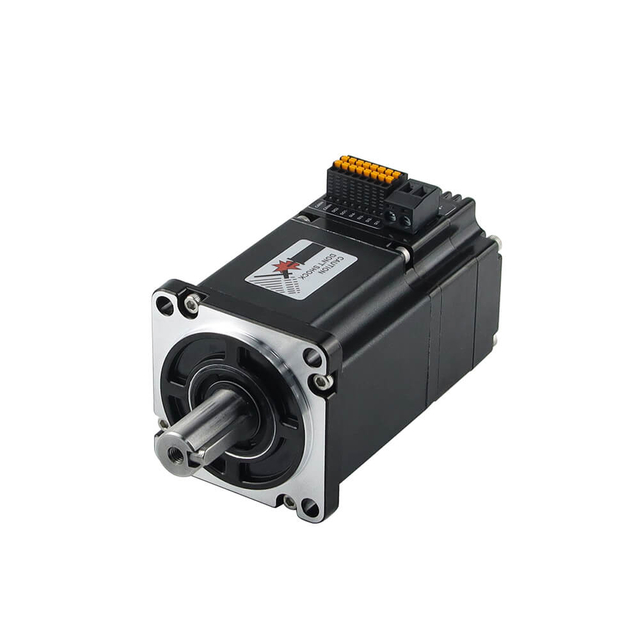
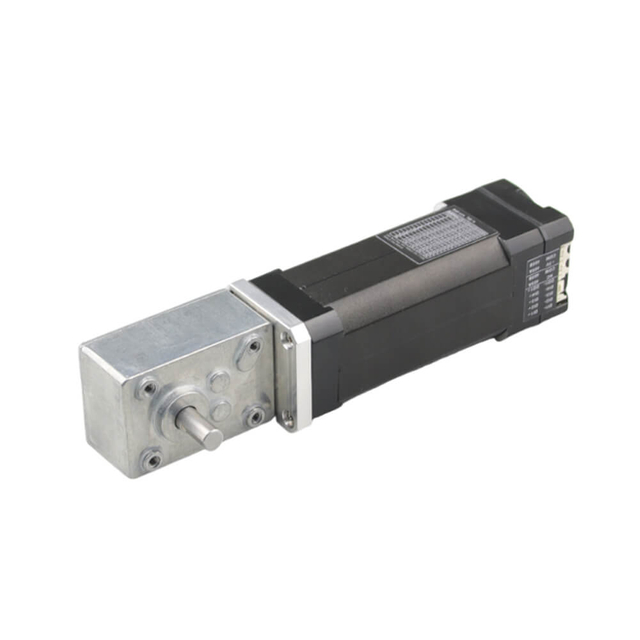
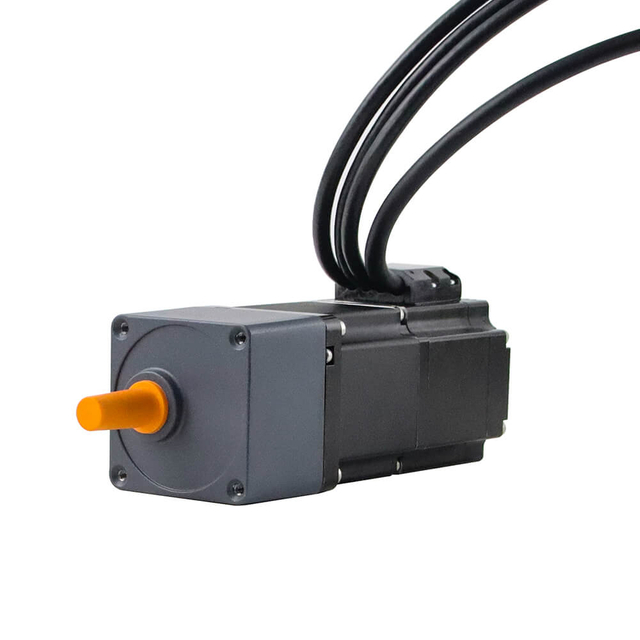
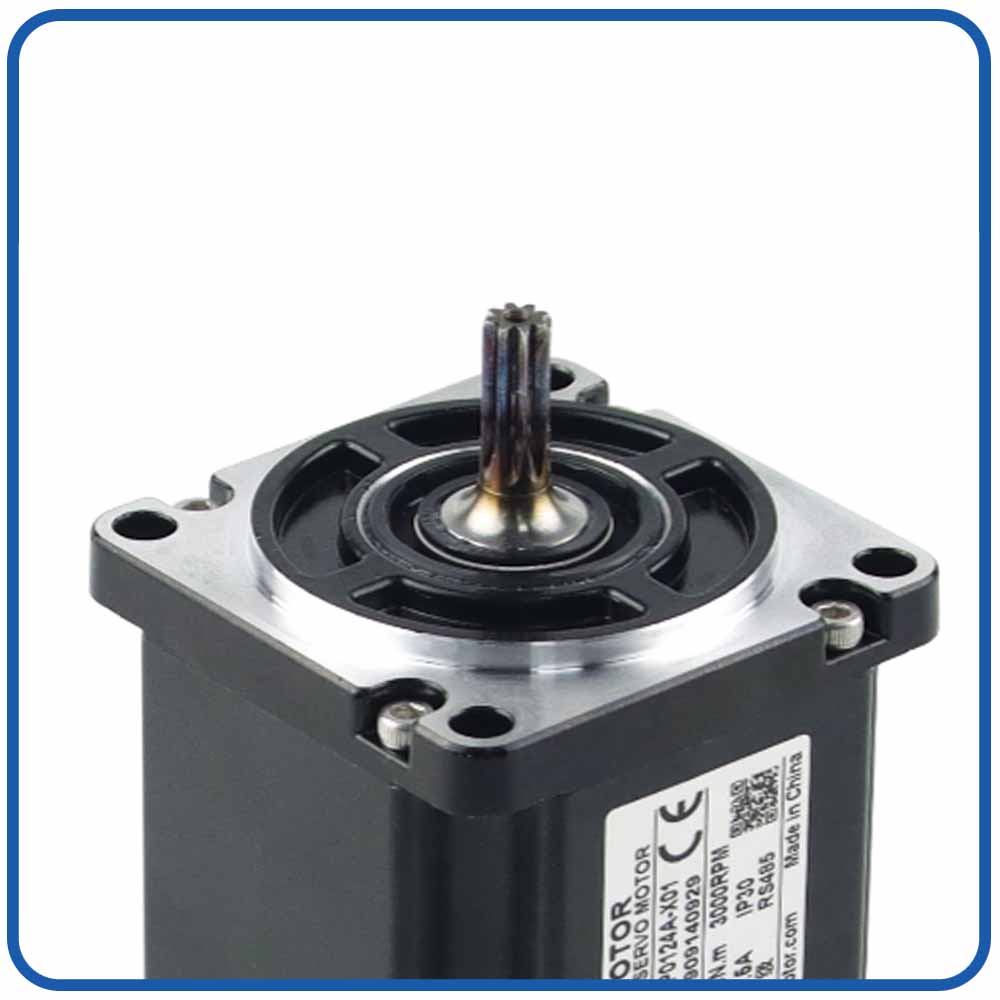
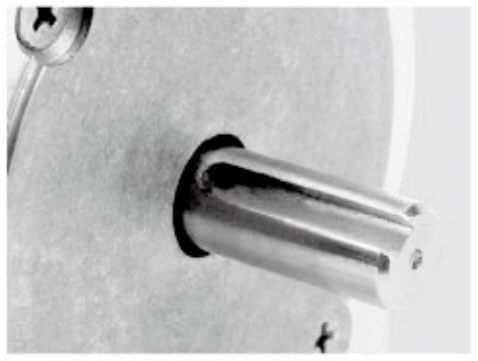
Agricultural automation systems require precise motion control, reliable communication, and stable operation under demanding field conditions. From precision seeding and variable-rate fertilization to automated spraying, greenhouse climate control, and robotic harvesting, agricultural servo motors help equipment manufacturers improve positioning accuracy, operating efficiency, and process consistency. However, the performance of an agricultural servo motor depends not only on its mechanical design and control capabilities but also on the communication protocol used to connect it with the machine's controller.
The best communication protocol for agricultural servo motors depends on the application's real-time requirements, system architecture, environmental conditions, integration complexity, and budget. CANopen is often a practical choice for distributed mobile agricultural machinery, while EtherCAT is well suited to applications requiring highly synchronized multi-axis motion. Modbus RTU and Modbus TCP can be effective for simpler automation systems, and traditional CAN communication remains relevant for specialized embedded control networks.
To select the right protocol, we need to understand how each option performs in agricultural environments and how it supports the specific requirements of modern farming equipment.
Why Communication Protocol Selection Matters for Agricultural Servo Motors
Communication protocols play a critical role in determining how agricultural servo motors interact with controllers, sensors, and other automation components. In modern agricultural machinery, servo motors are widely used in precision seeding, variable-rate fertilization, automated spraying, greenhouse climate control, and robotic harvesting. These applications require reliable command transmission, accurate motion control, and consistent system coordination. Selecting the right communication protocol helps improve control accuracy, enhance operational reliability, and simplify the integration of agricultural servo motors into automated equipment.
Achieving Accurate and Responsive Motion Control
Agricultural servo motors frequently operate in applications that require precise speed, position, or torque regulation. For example, precision seeding equipment must maintain consistent seed spacing as the machine moves across a field, while automated spraying systems may need to adjust actuator positions according to crop conditions or sensor feedback.
The communication protocol determines how motion commands and operating data are exchanged between the controller and the servo drive. Communication delays, inconsistent update intervals, or insufficient data capacity can affect the responsiveness of the overall control system.
Protocols such as EtherCAT support high-performance cyclic communication and synchronized multi-axis control when implemented with compatible devices. CANopen provides a practical solution for many distributed agricultural motion-control systems, while Modbus RTU and Modbus TCP are suitable for applications that primarily require basic commands, parameter configuration, and status monitoring.
Improving Multi-Axis Synchronization
Modern agricultural machinery increasingly relies on multiple servo motors to perform coordinated operations. A precision planter, for instance, may use separate motors to control seed metering, fertilizer dispensing, and adjustable mechanical components. These motors must respond appropriately to controller commands to maintain consistent application rates and operating sequences.
A suitable communication protocol helps coordinate command transmission and feedback collection across connected devices. For applications involving tightly synchronized motion, EtherCAT can provide significant advantages through cyclic process-data exchange and distributed-clock synchronization. CANopen can also support synchronized operation through suitable communication mechanisms and device configurations.
By selecting a protocol that matches the required synchronization performance, agricultural equipment manufacturers can improve motion consistency and reduce the risk of timing-related control errors.
Ensuring Reliable Operation in Harsh Agricultural Environments
Agricultural servo motors often operate under demanding environmental conditions, including dust, moisture, vibration, temperature fluctuations, and electromagnetic interference. These factors can affect communication cables, connectors, electronic components, and the stability of the control network.
The communication protocol should therefore be evaluated alongside the physical-layer design. CAN-based networks, for example, can be practical for distributed embedded control systems, while industrial Ethernet solutions can support more demanding automation architectures. However, neither approach guarantees reliable field operation without appropriate hardware and installation practices.
We should also consider cable shielding, grounding, connector sealing, electrical isolation, and enclosure protection. For equipment exposed to fertilizers, pesticides, or frequent washdown, the complete motor and communication assembly must be suitable for the actual operating environment.
Reliable communication depends on the combination of protocol selection, electrical design, mechanical protection, and correct installation.
Simplifying System Integration and Maintenance
Agricultural automation systems often combine servo motors with PLCs, embedded controllers, sensors, HMIs, and remote monitoring equipment. Using a communication protocol supported by these components can reduce integration complexity and shorten commissioning time.
CANopen offers standardized communication mechanisms and supports the CiA 402 drive profile on compatible devices. EtherCAT is well suited to advanced motion-control architectures, while Modbus RTU and Modbus TCP can simplify integration with many industrial controllers and supervisory systems.
Protocol compatibility should be verified at the device level because support for a communication standard does not necessarily mean that every operating mode or diagnostic function is available.
A well-designed communication system also makes it easier to monitor motor status, identify faults, and perform maintenance. For agricultural equipment operating in remote fields, accessible diagnostic information can help technicians locate problems and minimize downtime.
Supporting System Scalability and Cost Efficiency
Agricultural equipment manufacturers may need to expand existing systems by adding more servo motors, sensors, or automated functions. The selected communication protocol should provide sufficient capacity and flexibility to accommodate these changes without requiring a complete redesign.
For smaller systems with basic control requirements, Modbus RTU may offer a cost-effective solution. CANopen can provide a practical balance between distributed device control and integration complexity, while EtherCAT is often more appropriate for sophisticated machines requiring high-performance multi-axis coordination.
When evaluating different protocols, we should consider not only initial hardware costs but also controller compatibility, software development, wiring, commissioning, troubleshooting, and future expansion.
Choosing the appropriate communication protocol from the beginning helps agricultural equipment manufacturers build scalable automation systems while controlling long-term engineering and maintenance costs.
In summary, communication protocol selection directly influences how effectively agricultural servo motors perform within automated machinery. By evaluating motion-control accuracy, synchronization requirements, environmental conditions, integration compatibility, and lifecycle costs, we can select a communication solution that meets the practical demands of modern agricultural applications.
1. CANopen: A Practical Choice for Distributed Agricultural Servo Motors
CANopen is a higher-layer communication protocol based on Controller Area Network (CAN). It is widely used in industrial automation and embedded control systems where multiple devices need to exchange commands and status information over a shared network.
For agricultural machinery, CANopen is often an attractive option because it supports distributed device control without requiring the complexity of a high-performance industrial Ethernet network.
Key Advantages of CANopen for Agricultural Machinery
Efficient distributed communication
CANopen allows multiple servo drives, sensors, and controllers to communicate over a shared CAN network. This architecture is useful when agricultural equipment contains several distributed control devices.
For instance, a multi-row planter can use a central controller to coordinate individual seed-metering motors and monitor operating status across the machine.
Standardized device profiles
The CANopen CiA 402 drive and motion-control device profile defines standardized objects and operating behavior for compatible drives. It can simplify integration when the controller and servo drive support the same applicable profile and functions.
This standardization helps engineers configure operating modes, command values, status information, and fault handling more consistently across compatible devices.
Practical wiring and implementation
CANopen commonly uses a differential two-wire CAN physical layer. Its wiring and hardware requirements can be practical for distributed embedded systems, although correct termination, topology, cable selection, and node configuration remain essential.
Useful diagnostics
CANopen supports network management and emergency-message mechanisms that help controllers detect device states and communication-related faults. Such capabilities are valuable when equipment operators need to identify problems quickly during field operations.
Applications of CANopen in Agricultural Servo Motors
CANopen is well suited to applications such as:
Precision seed-metering mechanisms.
Variable-rate fertilizer dispensing systems.
Agricultural conveyor drives.
Distributed actuators in mobile farming equipment.
Greenhouse ventilation and positioning mechanisms.
Automated agricultural equipment with moderate real-time requirements.
CANopen is not automatically the best choice for every agricultural application. Conventional CAN networks have bandwidth and timing limitations, and CANopen synchronization performance depends on network configuration, controller implementation, device capabilities, and system load.
For distributed agricultural equipment requiring standardized motion control, practical integration, and reliable field operation, CANopen is often a strong starting point.
2. EtherCAT: Best for High-Speed, Synchronized Agricultural Motion Control
EtherCAT is an industrial Ethernet-based communication technology designed for high-performance real-time automation. It is particularly useful when several servo drives must execute coordinated motion commands with tightly controlled timing.
In agricultural automation, EtherCAT becomes more attractive as equipment incorporates complex motion sequences, high-speed processing, robotic mechanisms, and multiple synchronized servo axes.
Why EtherCAT Is Suitable for Precision Agriculture
High communication performance
EtherCAT supports efficient cyclic exchange of process data, allowing controllers to communicate with multiple devices within tightly controlled update intervals.
This can be beneficial in precision planting systems, robotic harvesting platforms, and automated crop-processing machinery where motor commands and feedback must be updated frequently.
Multi-axis synchronization
Coordinated motion often requires multiple motors to follow related trajectories. EtherCAT-based systems can support distributed-clock synchronization when the controller and drives implement the necessary features.
This capability helps engineers coordinate motor movements in applications such as robotic picking, automated transplanting, and precision positioning mechanisms.
Detailed operating feedback
EtherCAT systems can exchange command values, actual position, velocity, torque-related data, and diagnostic information cyclically, depending on the supported drive profile and configured process data.
This makes the protocol useful for systems requiring continuous feedback and coordinated control.
Scalable automation architecture
EtherCAT can support multiple servo drives, I/O modules, and other compatible automation devices within one network. This can simplify the communication architecture of sophisticated agricultural machinery.
Typical Agricultural Applications for EtherCAT Servo Motors
EtherCAT is particularly suitable for:
Robotic harvesting and crop-handling equipment.
Multi-axis agricultural manipulators.
High-speed sorting and grading systems.
Precision transplanting machines.
Automated seedling production lines.
Advanced agricultural processing equipment.
Greenhouse robots with coordinated motion axes.
However, EtherCAT may involve higher implementation costs and more demanding integration requirements than simpler communication options. The controller, servo drives, configuration tools, and engineering workflow must support the required EtherCAT functions.
For mobile agricultural machinery, engineers should also verify the availability of suitable networking hardware and the practical requirements for power, cabling, vibration resistance, and environmental protection.
When synchronized motion, short communication cycles, and scalable multi-axis control are priorities, EtherCAT is often the preferred option.
3. Modbus RTU: A Cost-Effective Protocol for Basic Agricultural Automation
Modbus RTU is a serial communication protocol commonly implemented over RS-485. It is widely used in industrial equipment because of its straightforward architecture and broad availability.
For agricultural servo motors, Modbus RTU can be appropriate when the application requires basic speed control, parameter configuration, status monitoring, or supervisory commands rather than demanding synchronized motion.
Advantages of Modbus RTU
Simple integration: Many PLCs, embedded controllers, and industrial monitoring devices support Modbus RTU. This can reduce the effort required to connect compatible servo drives to an existing control system.
Low implementation cost: RS-485 interfaces and Modbus RTU implementations are often economical, making them suitable for cost-sensitive agricultural equipment.
Convenient parameter access: Depending on the manufacturer's register map, a controller can read operating status, adjust speed references, configure parameters, and retrieve fault information.
Suitable for basic control tasks: Applications such as ventilation adjustment, simple conveyor operation, and non-time-critical actuator control may not require the performance of a more advanced motion network.
Limitations of Modbus RTU in Agricultural Servo Applications
Modbus RTU generally operates through request-response communication. The time required to update devices depends on baud rate, message length, polling strategy, node count, and controller scheduling.
Consequently, it is less suitable for tightly synchronized multi-axis motion than protocols specifically designed for cyclic motion control.
Engineers should also distinguish between sending a speed command and implementing a complete closed-loop servo control system. A servo drive can execute its internal control loops locally while receiving supervisory commands through Modbus RTU, but this arrangement does not necessarily provide deterministic, high-frequency external motion control.
Modbus RTU is a sensible choice for straightforward agricultural automation where simplicity, compatibility, and cost are more important than advanced motion synchronization.
4. Modbus TCP: An Ethernet Option for Agricultural Monitoring and Control
Modbus TCP carries Modbus messages over TCP/IP networks, allowing compatible devices to communicate through Ethernet infrastructure.
Compared with Modbus RTU, Modbus TCP can simplify integration with Ethernet-enabled PLCs, industrial computers, supervisory systems, and remote monitoring platforms.
Benefits of Modbus TCP for Agricultural Servo Motors
Modbus TCP can be useful when agricultural equipment requires centralized monitoring, parameter management, and integration with existing Ethernet-based automation systems.
For example, a greenhouse automation system may use servo motors to adjust ventilation openings, shading mechanisms, or positioning devices. A supervisory controller can use Modbus TCP to read drive status and issue appropriate commands.
Similarly, an agricultural processing line can integrate servo drives with other equipment through an Ethernet-based control architecture.
Its main advantages include:
Compatibility with many Ethernet-enabled control systems.
Convenient integration with industrial computers and supervisory software.
Straightforward access to supported motor parameters and diagnostic registers.
Flexible network infrastructure for monitoring and configuration.
Nevertheless, Modbus TCP does not inherently provide the deterministic motion synchronization associated with specialized real-time Ethernet motion protocols. Standard TCP/IP communication also introduces timing variability that may be unsuitable for demanding coordinated motion.
The use of Ethernet alone does not guarantee real-time performance. Network architecture, controller scheduling, traffic management, and drive capabilities must all be considered.
For agricultural servo motors that primarily require supervisory control and monitoring, Modbus TCP can be effective. For tightly synchronized multi-axis applications, EtherCAT or another suitable real-time motion protocol is generally more appropriate.
5. CAN, CANopen, EtherCAT, and Modbus: A Comparison for Agricultural Servo Motors
Selecting a communication protocol becomes easier when the available options are compared according to their practical engineering characteristics.
Feature
CAN
CANopen
EtherCAT
Modbus RTU
Modbus TCP
Communication foundation
CAN network
CAN-based protocol
Industrial Ethernet
Serial, commonly RS-485
Ethernet and TCP/IP
Standardized motion-device profile
Not inherently
CiA 402 available
CoE and other supported profiles
Not inherently
Not inherently
Real-time motion suitability
Depends on implementation
Suitable for many distributed control tasks
Excellent for demanding synchronized motion
Limited for tightly synchronized axes
Limited without additional real-time mechanisms
Multi-axis synchronization
Application-dependent
Supported with suitable devices and configuration
Strong support with distributed clocks
Generally limited
Generally limited
Integration complexity
Application-dependent
Moderate
Moderate to high
Low to moderate
Low to moderate
Typical agricultural use
Embedded device communication
Distributed mobile machinery
Robotics and coordinated motion
Basic drive control
Monitoring and supervisory control
Note: The table describes typical characteristics rather than guaranteed performance. Actual results depend on the physical layer, controller, device implementation, network configuration, and application requirements.
Which Protocol Should Agricultural Equipment Manufacturers Choose?
Choose CANopen when distributed control, standardized drive interfaces, and practical integration are the main requirements.
Choose EtherCAT when the machine requires tightly synchronized multi-axis motion, frequent process-data updates, or advanced robotic control.
Choose Modbus RTU when basic commands and parameter monitoring are sufficient and minimizing system cost is important.
Choose Modbus TCP when Ethernet connectivity and integration with supervisory automation systems are priorities.
Choose raw CAN when a specialized embedded communication design provides the required functionality and the engineering team can implement the necessary application-layer behavior.
The correct choice should be based on the machine's control requirements rather than protocol popularity alone.
6. How to Select the Best Communication Protocol for Agricultural Servo Motors
Selecting the right communication protocol for agricultural servo motors requires a careful evaluation of motion-control requirements, system compatibility, operating environments, and long-term maintenance needs. Different agricultural applications demand different levels of communication speed, synchronization accuracy, and data exchange. By assessing these factors before equipment integration, we can improve system reliability, simplify commissioning, and reduce unnecessary engineering costs.
6.1 Define Motion-Control Requirements
The first step is to determine whether the agricultural servo motor needs precise position control, speed regulation, torque control, or coordinated multi-axis motion. For example, precision seeding systems require stable motor-speed regulation to maintain consistent seed spacing, while robotic harvesting equipment may need accurate positioning and synchronized movement across multiple axes.
CANopen is suitable for many distributed motion-control applications, whereas EtherCAT is generally preferable when high-speed communication and tightly synchronized motion are essential. For basic speed commands and parameter monitoring, Modbus RTU or Modbus TCP may provide sufficient functionality.
6.2 Evaluate the Number of Servo Motors
The number of connected motors directly affects network traffic, controller workload, and synchronization requirements. A simple agricultural machine with one or two independent actuators may operate effectively with a basic communication interface. In contrast, a multi-row planter or automated harvesting robot with numerous servo axes may require a network capable of exchanging cyclic process data efficiently.
We should evaluate the number of connected devices, required update frequency, data volume, and acceptable communication latency before choosing a protocol. This approach helps ensure that the network can support both current operating requirements and potential future expansion.
6.3 Verify Controller and Servo Drive Compatibility
Communication compatibility is essential when integrating agricultural servo motors into an existing automation system. Before selecting a protocol, we should confirm that the servo drive and PLC or embedded controller support the same communication standard, required operating modes, configuration tools, and diagnostic functions.
For example, a CANopen-compatible servo drive may offer different motion-control features depending on its implementation of the CiA 402 drive profile. Similarly, EtherCAT devices may differ in their support for distributed clocks and synchronized motion.
Verifying protocol compatibility before purchasing equipment helps reduce integration difficulties, commissioning time, and development costs.
6.4 Consider Environmental and Electrical Conditions
Agricultural machinery frequently operates in environments exposed to dust, moisture, vibration, temperature fluctuations, and electromagnetic interference from motors, pumps, and other electrical equipment. These conditions can affect communication stability if the network is not properly designed.
We should evaluate cable shielding, grounding, connector quality, electrical isolation, surge protection, and enclosure protection. For outdoor equipment, the selected communication hardware should also withstand the mechanical and environmental stresses expected during field operation.
It is important to remember that communication reliability depends on both protocol implementation and physical-layer design. A suitable protocol must be supported by appropriate cables, connectors, installation practices, and environmental protection.
6.5 Assess Diagnostic and Maintenance Capabilities
Effective diagnostics help equipment manufacturers identify communication faults, motor errors, and abnormal operating conditions before they cause extended downtime.
CANopen provides network-management and emergency-message mechanisms, while EtherCAT systems can offer detailed device-state information and cyclic process-data monitoring. Modbus-based systems can also support fault monitoring and parameter access through manufacturer-defined registers.
When selecting a protocol, we should confirm which diagnostic functions are available on the actual servo motor or drive. For agricultural machinery operating in remote fields, accessible fault information and straightforward troubleshooting can significantly improve maintenance efficiency.
6.6 Balance Initial Investment and Long-Term Costs
The most suitable communication protocol should provide the required performance without introducing unnecessary hardware or engineering expenses. Modbus RTU may be economical for basic control tasks, while CANopen can offer a practical balance between distributed control capabilities and implementation complexity.
EtherCAT may involve higher integration requirements, but its synchronization capabilities can justify the investment in advanced multi-axis applications.
We should compare the total cost of controllers, servo drives, communication interfaces, cabling, software, commissioning, maintenance, and future upgrades. Choosing a protocol based on the complete system lifecycle rather than initial purchase price helps create a more reliable and cost-effective agricultural automation solution.
6.7 Test Communication Performance Before Mass Production
Before integrating agricultural servo motors into mass-produced equipment, we should validate the selected protocol under realistic operating conditions. Testing should cover communication timing, network load, electrical interference, fault recovery, and long-duration operation.
For systems with multiple servo axes, we should measure command-update intervals and synchronization performance to confirm that they meet the machine's control requirements. Field testing should also evaluate vibration, moisture exposure, temperature changes, and communication stability during continuous operation.
By combining careful protocol selection, compatibility verification, and pre-production testing, agricultural equipment manufacturers can improve motion-control reliability and reduce the risk of unexpected failures during field operation.
7. Communication Protocol Requirements for Common Agricultural Applications
Different agricultural applications have different priorities. Matching the communication protocol to the actual motion task helps avoid both underengineering and unnecessary complexity.
Precision Seeding and Variable-Rate Fertilization
Precision seeding systems use motorized seed meters to regulate seed delivery according to planting speed, target spacing, and field-specific requirements. Variable-rate fertilization systems similarly adjust dispensing rates according to application maps or sensor inputs.
CANopen can be a practical choice for distributed seed-metering drives and fertilizer actuators. EtherCAT may be preferable in advanced machines requiring more demanding synchronization or integration with a larger multi-axis control architecture.
The controller should account for vehicle speed, sensor latency, motor response, and the required application accuracy. Communication protocol selection is only one part of the overall precision-control design.
Precision Spraying Systems
Automated spraying equipment may use servo motors to adjust nozzle positions, control mechanisms, or regulate supporting motion systems.
CANopen or Modbus-based communication can be sufficient for many distributed or supervisory control tasks. EtherCAT becomes more attractive when several axes require tightly coordinated movement or when the spraying platform incorporates advanced robotic positioning.
In every case, the motor, drive, connectors, and enclosure must be appropriate for the exposure to water and agricultural chemicals.
Greenhouse Climate Control
Greenhouse automation commonly includes ventilation windows, shading systems, irrigation equipment, and environmental sensors.
These applications often prioritize dependable operation, straightforward maintenance, and integration with a centralized controller. Modbus RTU or Modbus TCP may be suitable for supervisory commands and status monitoring, while CANopen can be useful for distributed motion devices.
EtherCAT may be justified when the greenhouse incorporates high-speed robotic equipment or coordinated multi-axis mechanisms.
Robotic Harvesting and Automated Crop Handling
Robotic harvesting requires controlled acceleration, precise positioning, and coordinated movement between mechanical axes. Automated sorting and crop-handling equipment can have similar requirements.
EtherCAT is often a strong choice for these systems because it supports high-performance cyclic communication and distributed-clock synchronization when implemented by compatible controllers and drives.
The complete system must still address trajectory planning, feedback resolution, servo tuning, mechanical backlash, vibration, and collision avoidance.
8. Why Integrated Servo Motors Can Simplify Agricultural Automation
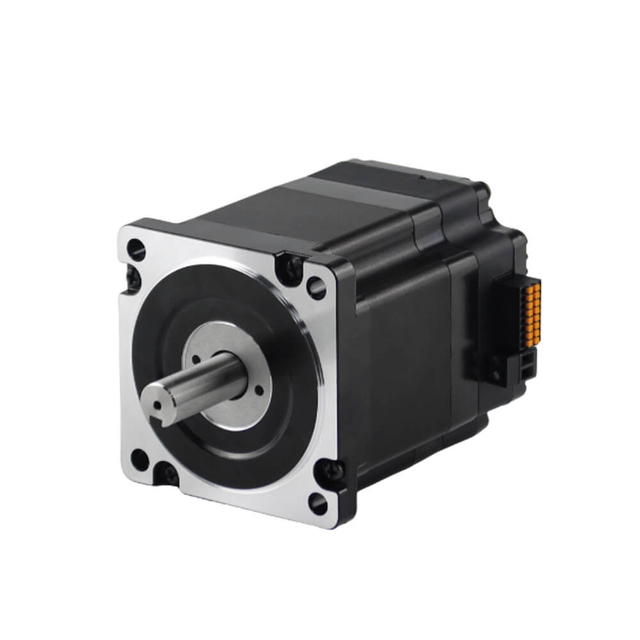
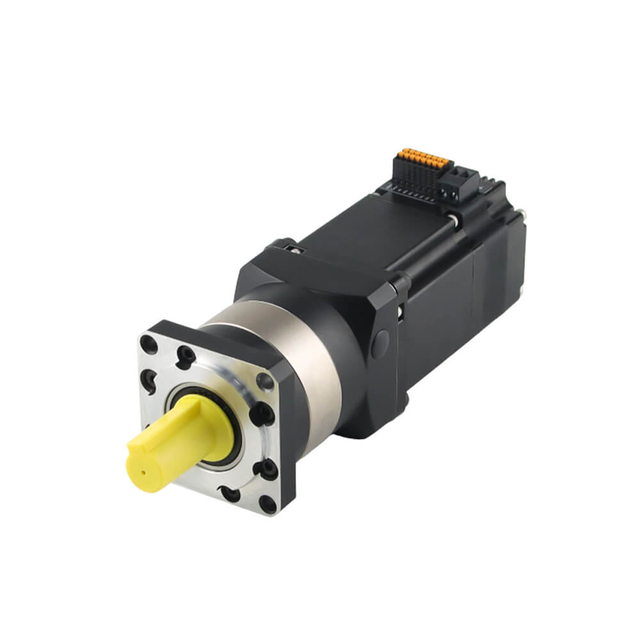
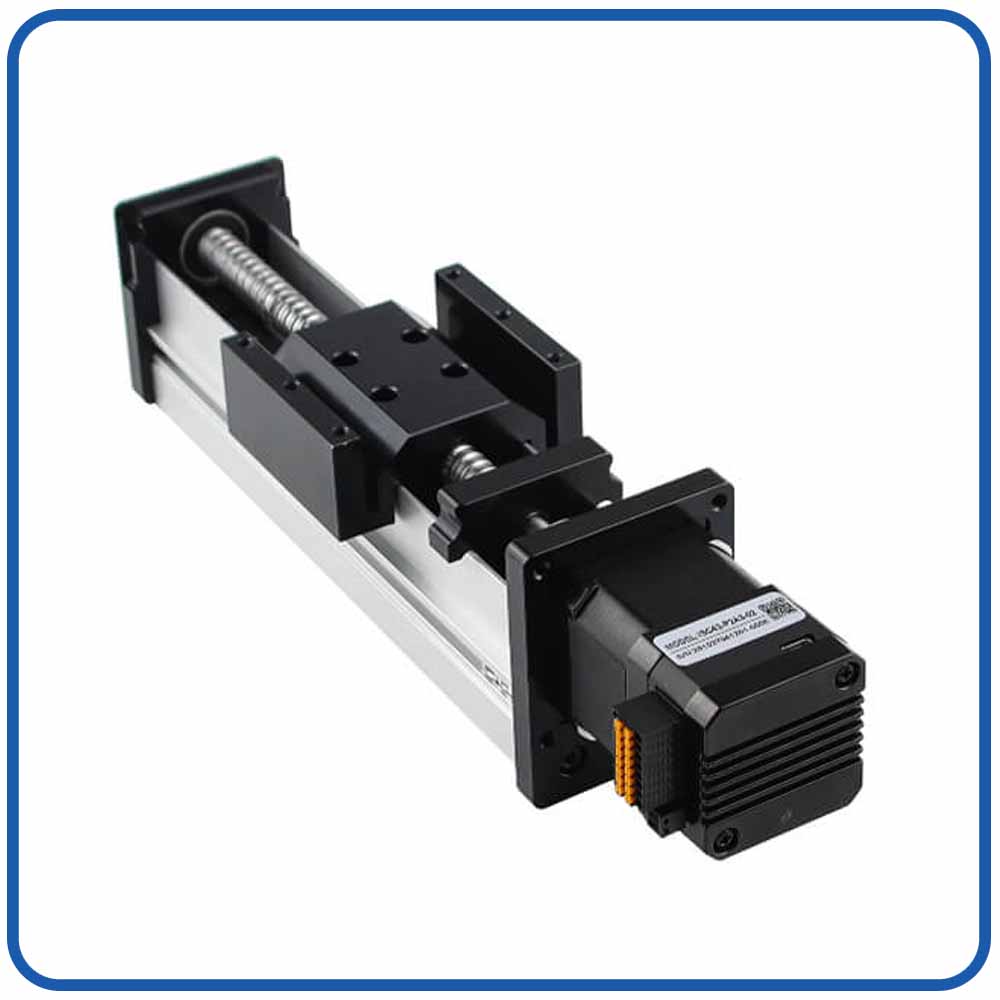
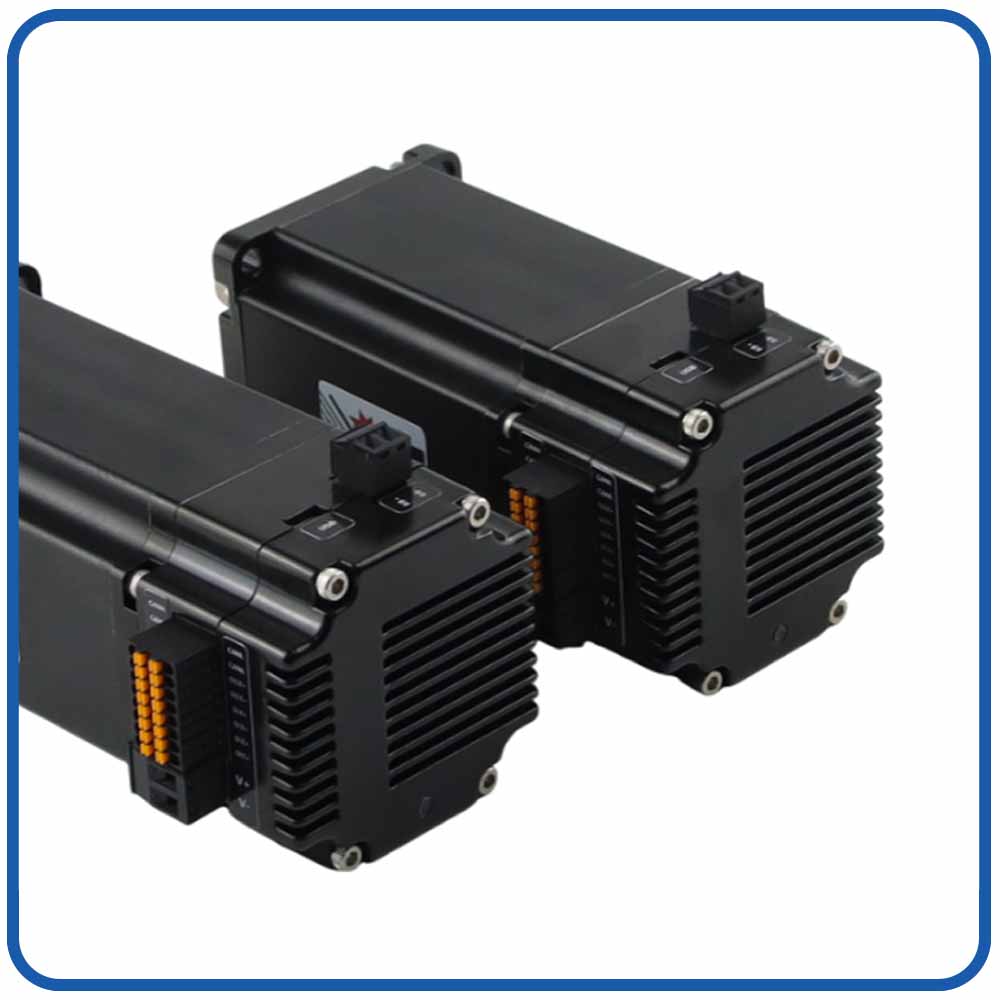
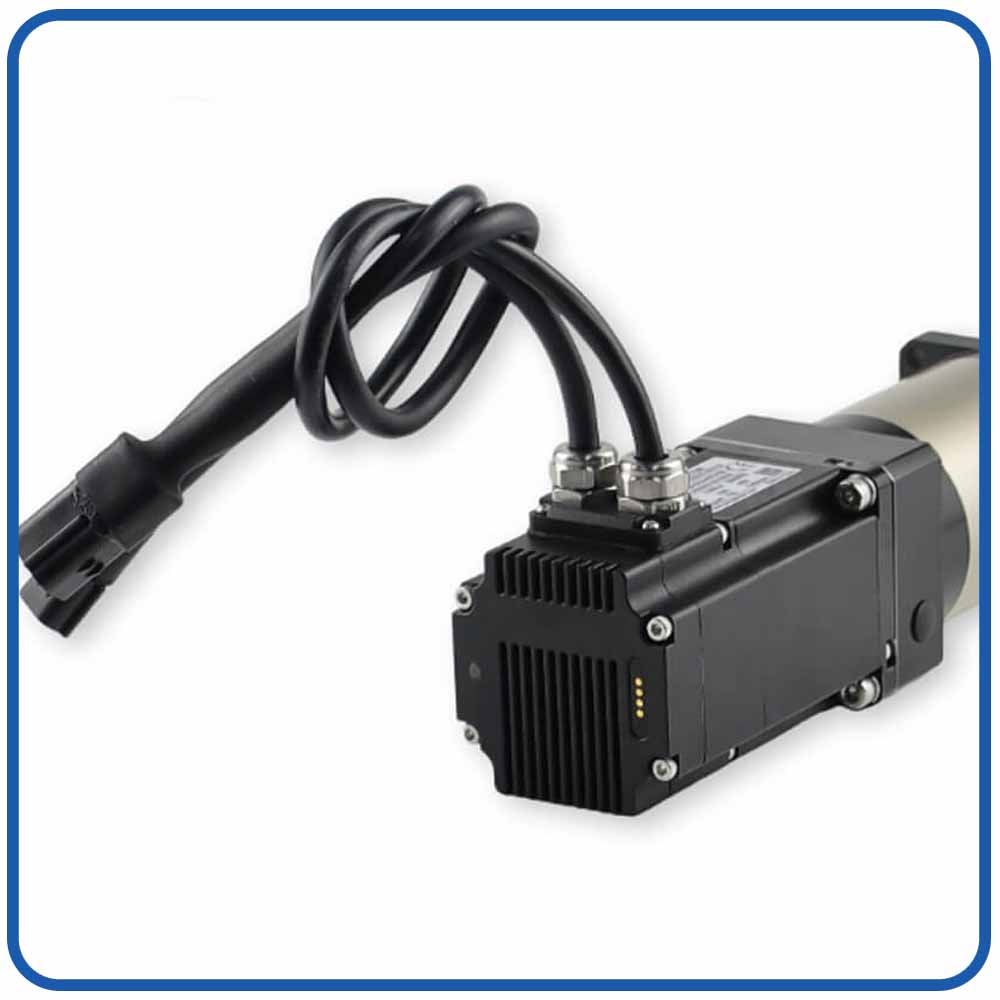
Integrated servo motors are becoming an important solution for modern agricultural automation because they combine the motor and drive electronics into a compact assembly. Depending on the design, these systems may also incorporate encoders, control interfaces, and communication functions, reducing the number of separate components required for machine integration.
For agricultural equipment manufacturers, integrated servo motors can simplify wiring, reduce installation space, and streamline system commissioning. These advantages are particularly valuable in precision seeding machines, automated spraying systems, greenhouse equipment, agricultural conveyors, and robotic harvesting platforms, where reliable motion control and efficient equipment integration are essential.
8.1 Reducing Wiring Complexity and Installation Time
Traditional servo systems typically require separate motors, servo drives, feedback connections, and associated control wiring. This configuration can increase installation complexity, particularly in agricultural machinery with multiple distributed actuators.
Integrated servo motors combine several of these components into one assembly, helping reduce the number of external connections and simplifying equipment layout. When multiple motors are installed across a planter or automated harvesting machine, this approach can make cable routing and electrical installation more manageable.
Depending on the product architecture, an integrated servo motor may also support communication interfaces such as CANopen or EtherCAT, allowing it to connect directly to a compatible controller without requiring a separate external servo drive.
8.2 Saving Installation Space and Simplifying Mechanical Integration
Agricultural machinery often operates under strict space and weight constraints. Compact equipment designs must accommodate motors, transmission components, sensors, wiring, and protective enclosures without interfering with other mechanical structures.
Integrated servo motors can reduce the space required for separate drive electronics and associated wiring. This can be particularly beneficial for compact seed-metering assemblies, adjustable spraying mechanisms, greenhouse ventilation systems, and mobile agricultural robots.
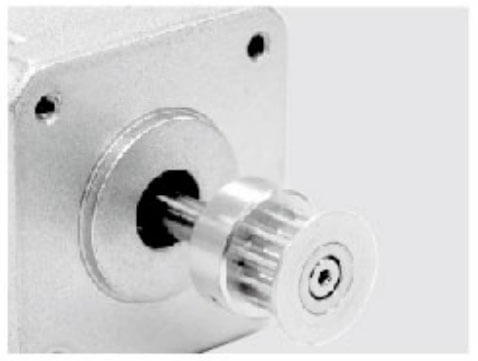
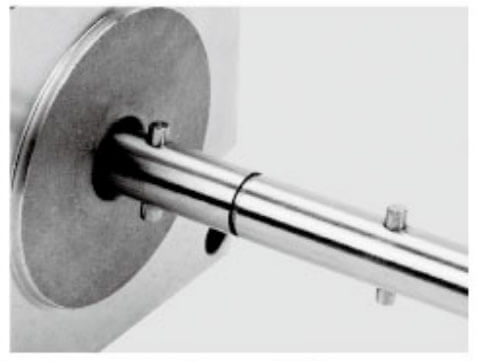
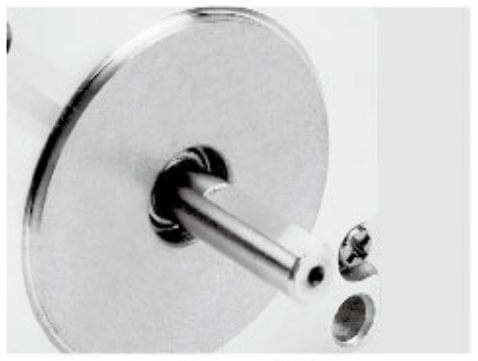
When selecting an integrated servo motor, we should evaluate its overall dimensions, mounting configuration, shaft requirements, rated torque, peak torque, and thermal performance. The motor must also provide sufficient output for the intended mechanical load under actual operating conditions.
8.3 Improving Motion-Control Integration
Modern agricultural equipment requires accurate control of motor speed, position, and, where supported, torque. Integrated servo motors can simplify the control architecture by combining motor actuation and drive-level control functions within one unit.
For example, a precision seeding system may use integrated servo motors to regulate individual seed-metering mechanisms. A controller can send commands to compatible drives and monitor operating feedback to help maintain the required seed distribution.
In robotic harvesting equipment, integrated servo motors can support coordinated movement when the selected communication interface, controller, and drive functions provide the necessary synchronization capabilities.
The main advantage is simplified system integration, not an automatic increase in motion accuracy. Actual positioning performance depends on encoder resolution, control algorithms, mechanical backlash, servo tuning, load characteristics, and the capabilities of the complete system.
8.4 Supporting Flexible Communication and System Expansion
Communication compatibility is an important consideration when selecting integrated servo motors for agricultural automation. Different products support different interfaces, including CANopen, EtherCAT, Modbus RTU, Modbus TCP, pulse-and-direction inputs, and analog control signals.
CANopen can be suitable for distributed agricultural control networks, while EtherCAT is often preferred for applications requiring tightly synchronized multi-axis motion. Modbus-based interfaces can be appropriate for basic commands, parameter configuration, and supervisory monitoring.
Before selecting a motor, we should verify that its communication interface matches the existing PLC or embedded controller and supports the required operating modes.
For machines expected to expand over time, standardized communication interfaces can also simplify the addition of compatible actuators and improve consistency across the equipment platform.
8.5 Reducing Commissioning and Maintenance Complexity
Integrating the motor and drive electronics can reduce the number of separate components that technicians need to install and configure. This may simplify commissioning, especially when multiple actuators must be deployed across an agricultural machine.
Depending on the product, integrated servo motors may provide diagnostic information covering operating status, communication faults, drive protection, and other operating conditions. These functions can help maintenance personnel identify problems more efficiently.
However, integrated designs can also introduce serviceability considerations. If the motor and drive electronics are housed in one assembly, replacing or repairing a faulty component may require servicing the complete unit. We should therefore assess spare-part availability, manufacturer support, configuration software, and replacement procedures before finalizing the design.
8.6 Evaluating Environmental Protection and Thermal Performance
Agricultural automation equipment frequently operates in dusty, humid, and vibration-intensive environments. Some applications also expose equipment to water, fertilizer, pesticides, and repeated cleaning.
An integrated servo motor must provide suitable enclosure protection, connector sealing, corrosion resistance, and operating-temperature performance for its intended installation.
Thermal management is equally important because combining the motor and drive electronics can concentrate heat within a compact assembly. Engineers should verify continuous and peak operating limits, allowable duty cycles, cooling requirements, and derating characteristics.
A compact integrated design is beneficial only when its thermal performance and environmental protection meet the actual operating requirements of the agricultural machine.
8.7 Reducing Total System Cost
Integrated servo motors can reduce total system costs by minimizing external drive components, simplifying wiring, reducing cabinet-space requirements, and shortening installation time.
These benefits can be especially valuable in agricultural equipment with multiple independently controlled actuators. Nevertheless, the actual cost advantage depends on the motor's performance, communication capabilities, maintenance requirements, and purchase price.
We should compare the complete system cost rather than evaluating the motor price alone. This assessment should include controllers, power supplies, cables, mounting hardware, commissioning, spare parts, and expected maintenance over the equipment's service life.
Conclusion
Integrated servo motors can simplify agricultural automation by combining motor and drive functions in a compact assembly, reducing wiring complexity, and supporting more straightforward equipment integration. They are suitable for a wide range of applications, including precision seeding, automated spraying, greenhouse climate control, agricultural conveyors, and robotic harvesting.
To achieve the best results, we should evaluate communication compatibility, motion-control performance, mounting requirements, thermal management, environmental protection, and long-term serviceability before selecting an integrated servo motor.
By matching the motor configuration to the machine's technical requirements, agricultural equipment manufacturers can develop more compact, maintainable, and cost-effective automation systems while maintaining the reliability demanded by modern agricultural operations.
9. Testing Communication Performance Before Agricultural Equipment Enters Production
Protocol selection should be validated through practical testing before the machine enters mass production.
A system that communicates correctly on a laboratory bench may behave differently when installed in equipment with long cables, multiple motors, switching power electronics, and continuous vibration.
We recommend the following validation process.
Test 1: Verify Basic Communication
Confirm that the controller can identify each servo drive, read status information, write supported parameters, and execute the required commands.
For CANopen, verify node configuration, network management, and the required process-data objects. For EtherCAT, check device discovery, configuration, state transitions, and process-data exchange.
Test 2: Measure Communication Timing
Measure actual command-update intervals, feedback latency, jitter, and missed or delayed updates under representative operating conditions.
For multi-axis applications, verify that the measured timing meets the machine's control requirements rather than relying solely on published network speeds.
Test 3: Test Under Maximum Network Load
Operate the expected number of devices while generating representative traffic. Confirm that the network maintains acceptable performance when diagnostic messages, status updates, and motion commands are active simultaneously.
Test 4: Evaluate Electrical Noise and Cable Installation
Test the communication network with the motors and other electrical equipment operating under representative load conditions.
Check for communication errors, unexpected drive faults, unstable feedback, and sensitivity to cable routing or grounding.
Test 5: Validate Fault Recovery
Simulate appropriate communication interruptions, disconnected devices, controller restarts, and other relevant faults.
Confirm that the system transitions to a defined safe state and recovers according to the machine's safety and operational requirements.
Communication fault handling must be distinguished from functional safety. Standard CANopen, EtherCAT, and Modbus communication does not automatically provide a safety-rated control function. Where personnel protection or hazardous motion is involved, the design must use appropriate safety-rated hardware and validated safety functions.
Test 6: Conduct Field Validation
Finally, test the assembled agricultural machine under representative working conditions. Evaluate temperature, vibration, moisture exposure, continuous operating time, and the stability of communication during actual motion cycles.
These tests help identify integration issues before large-scale production and reduce the risk of unexpected downtime in the field.
10.Why Choose BESFOC Servo Motors for Agricultural Automation?
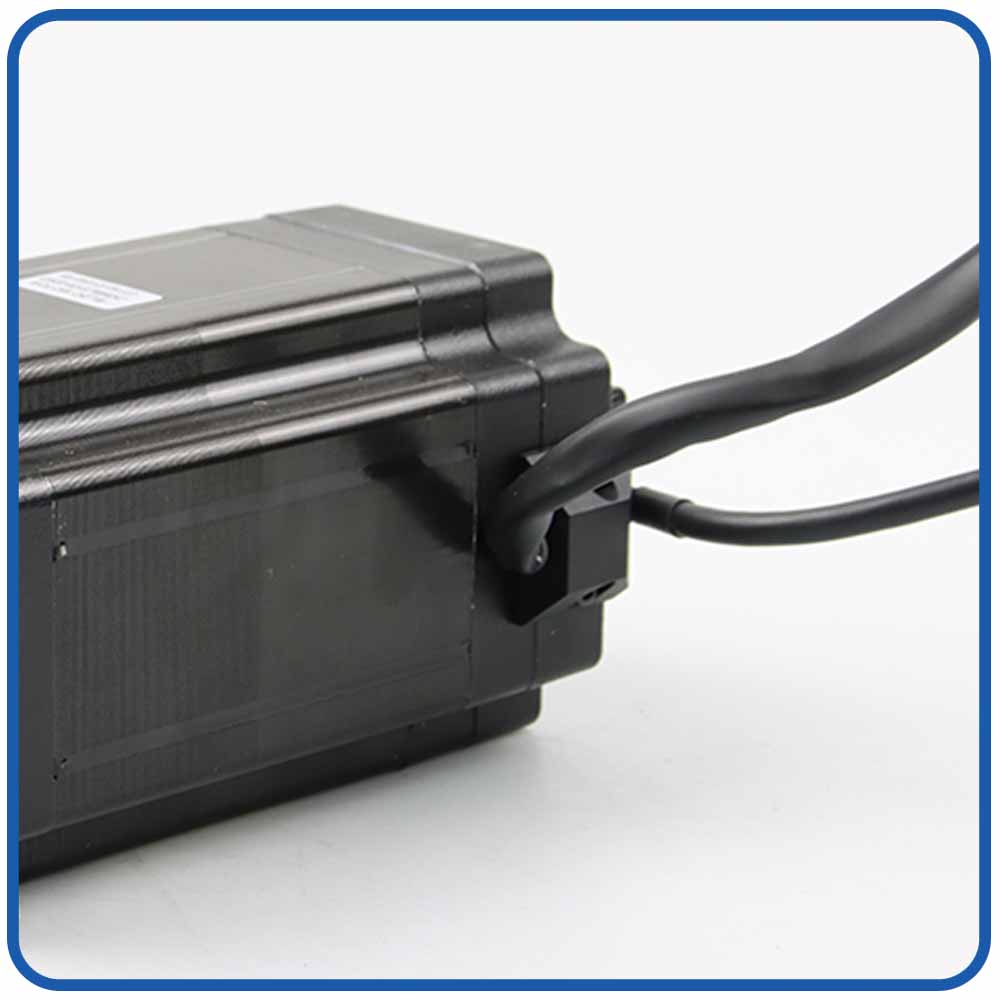
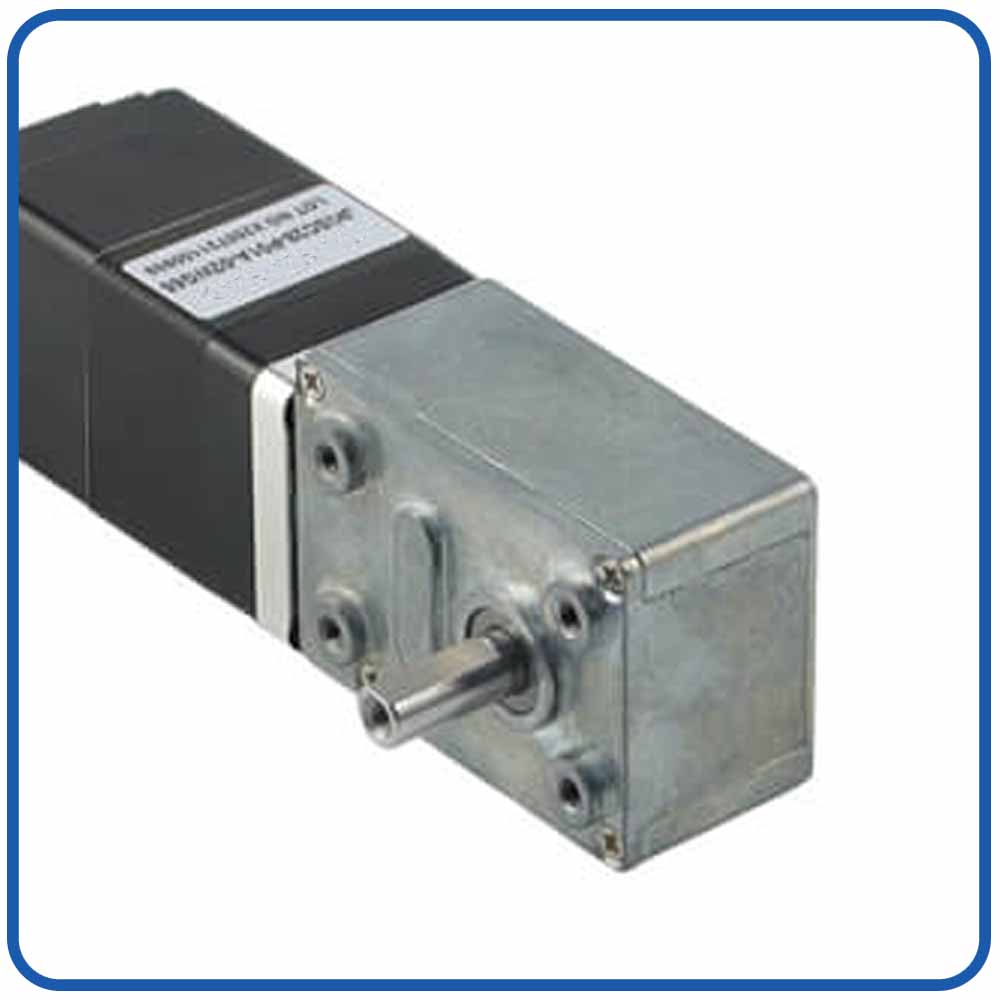
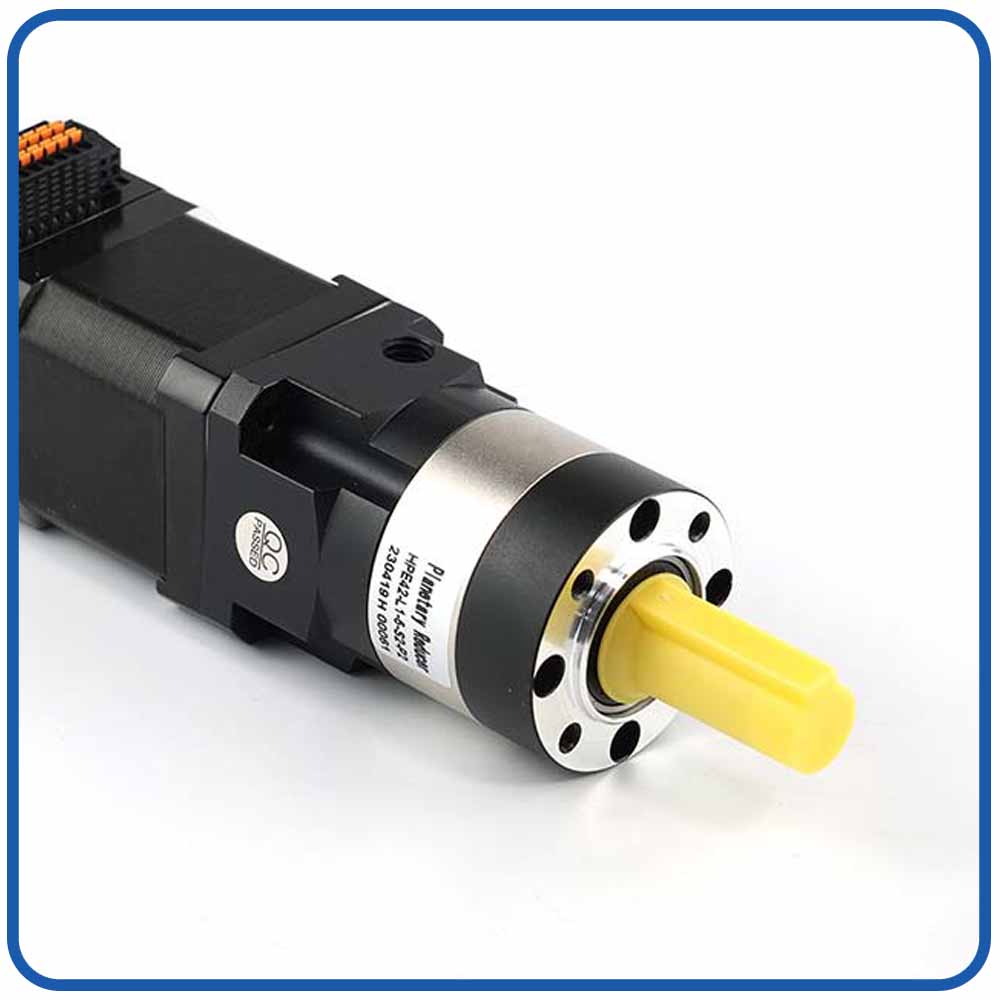
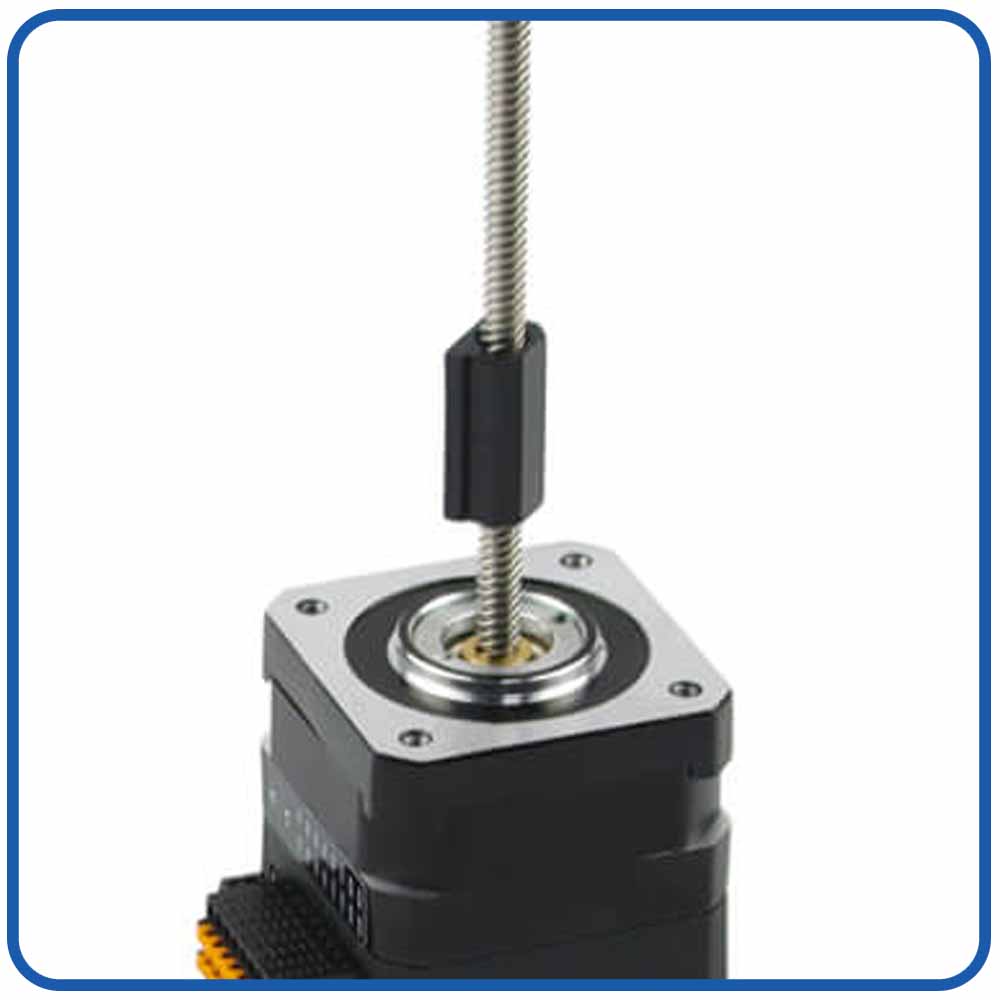
BESFOC provides versatile servo motor solutions for agricultural automation, supporting applications such as precision seeding, variable-rate fertilization, automated spraying, greenhouse climate control, and robotic harvesting. Designed to meet diverse motion-control requirements, BESFOC servo motors support pulse control, CANopen, and RS485 communication, enabling flexible integration with PLCs, embedded controllers, and distributed agricultural control systems. Pulse control is suitable for straightforward position and speed commands, while CANopen supports standardized communication between compatible devices, and RS485-based interfaces facilitate integration with industrial controllers using supported protocols. To accommodate demanding agricultural environments, customizable protection levels can be specified according to application requirements, helping address exposure to dust, moisture, vibration, and other field conditions. By combining flexible control options with application-specific protection and customization, BESFOC helps agricultural equipment manufacturers develop reliable, space-efficient, and cost-effective motion-control systems tailored to modern farming operations.
11. Common Mistakes When Choosing Agricultural Servo Motor Communication Protocols
Several avoidable mistakes can increase engineering costs or reduce machine reliability.
Choosing based on communication speed alone: High nominal bandwidth does not automatically guarantee deterministic timing, low latency, or accurate motion synchronization.
Assuming all compatible devices support the same features: Two devices using the same protocol may support different motion modes, diagnostic functions, or synchronization mechanisms.
Ignoring physical-layer design: Incorrect termination, poor shielding, unsuitable connectors, and improper grounding can cause communication failures regardless of protocol.
Using supervisory protocols for demanding synchronized motion: Modbus RTU and standard Modbus TCP are useful for many control and monitoring tasks, but they are not direct substitutes for a properly implemented real-time multi-axis motion network.
Skipping pre-production testing: A successful bench test does not prove reliable operation under maximum network load, electrical noise, and field conditions.
Avoiding these mistakes helps ensure that the communication network supports the intended performance of the agricultural servo motor system.
12. Final Recommendation: Which Communication Protocol Is Best for Agricultural Servo Motors?
There is no single communication protocol that is optimal for every agricultural servo motor application. The best solution depends on the machine's motion-control requirements, number of axes, controller compatibility, environmental conditions, and lifecycle cost.
For most distributed agricultural automation systems, CANopen is a strong practical choice because it combines standardized device communication with a well-established CAN-based architecture. It is particularly suitable for seed-metering drives, fertilizer dispensing mechanisms, and other distributed actuators that require reliable command and status exchange.
For advanced robotic harvesting, synchronized multi-axis positioning, and high-performance crop-processing machinery, EtherCAT is often the better option because it supports efficient cyclic communication and precise synchronization with compatible devices.
For simpler systems requiring basic motor commands, parameter configuration, or supervisory monitoring, Modbus RTU and Modbus TCP remain cost-effective alternatives. Raw CAN is also useful when a specialized embedded control network meets the application's requirements.
Before making a final selection, we should verify protocol support, control-loop requirements, communication timing, diagnostic functions, environmental protection, and compatibility with the machine's existing controller.
By matching the communication protocol to the actual application, agricultural equipment manufacturers can build servo motor systems that are easier to integrate, maintain, and scale while supporting the precision and reliability demanded by modern agriculture.
FAQ:
FAQ 1: Which communication protocol is best for agricultural servo motors?
The best communication protocol depends on the motion-control requirements of the agricultural equipment. CANopen is suitable for many distributed control systems, while EtherCAT is ideal for applications requiring high-speed communication and synchronized multi-axis motion. Pulse control is practical for basic position commands, and RS485-based communication is useful for compatible industrial controllers and monitoring systems.
FAQ 2: Why are CANopen servo motors suitable for agricultural machinery?
CANopen servo motors support standardized communication between compatible drives and controllers. They are suitable for distributed applications such as precision seed metering, fertilizer dispensing, and automated agricultural actuators. CANopen can simplify system integration, device monitoring, and maintenance when the controller and servo drive support the required functions.
FAQ 3: When should agricultural equipment manufacturers choose EtherCAT servo motors?
EtherCAT servo motors are a strong choice for agricultural equipment requiring precise synchronization, frequent process-data updates, and coordinated multi-axis motion. Typical applications include robotic harvesting, automated crop handling, and advanced agricultural positioning systems. Actual performance depends on controller compatibility, drive capabilities, and network configuration.
FAQ 4: Can pulse-controlled servo motors be used in agricultural automation?
Yes. Pulse-controlled servo motors are suitable for agricultural applications requiring straightforward position or speed commands from a compatible controller. They can be used in seed-metering mechanisms, positioning actuators, and other automated equipment. Engineers should verify the supported pulse input format, maximum pulse frequency, control modes, and positioning requirements.
FAQ 5: What is the difference between CANopen and RS485 for agricultural servo motors?
CANopen is a communication protocol based on CAN, providing standardized mechanisms for device communication and control. RS485 is an electrical interface standard rather than a complete communication protocol. RS485-based servo systems commonly use protocols such as Modbus RTU or manufacturer-specific communication methods. The appropriate option depends on device compatibility, control requirements, and system architecture.
FAQ 6: How does the communication protocol affect agricultural servo motor performance?
The communication interface affects how commands, feedback, and diagnostic information are exchanged between the controller and servo drive. Communication timing and synchronization can influence coordinated motion and system responsiveness. However, overall servo performance also depends on encoder resolution, control-loop design, motor characteristics, mechanical transmission, and network configuration.
FAQ 7: Which communication protocol is suitable for precision seeding systems?
CANopen is a practical option for many precision seeding systems with distributed seed-metering motors. Pulse control may be sufficient for simpler motor positioning or speed-command applications, depending on the system architecture. EtherCAT can be preferable when the equipment requires tightly synchronized motion across multiple axes or integrates with a more advanced real-time control system.
FAQ 8: Can agricultural servo motors support multiple communication interfaces?
Some agricultural servo motor models are available with different communication interfaces, including pulse inputs, CANopen, and RS485-based communication. Availability depends on the specific model and configuration. Before selecting a motor, equipment manufacturers should confirm interface options, electrical specifications, supported control modes, and compatibility with the intended controller.
FAQ 9: Can the protection rating of agricultural servo motors be customized?
Yes, protection requirements can be evaluated for specific agricultural applications, subject to the manufacturer's product capabilities and customization options. Equipment exposed to dust, moisture, fertilizer, or outdoor operating conditions may require enhanced enclosure and connector protection. Buyers should confirm the available IP rating, operating-temperature range, corrosion resistance, and testing requirements before ordering.
FAQ 10: How should manufacturers select agricultural servo motors for outdoor applications?
Manufacturers should evaluate rated torque, peak torque, speed, positioning accuracy, communication compatibility, supply voltage, and environmental protection. They should also consider vibration resistance, connector sealing, cable routing, thermal performance, and maintenance requirements. Testing the complete motor and control system under representative field conditions helps verify its suitability for the intended agricultural application.

 English
 العربية
 Français
 Русский
 Español
 Português
 Deutsch
 italiano
 日本語
 한국어
 Nederlands
 Tiếng Việt
 ไทย
 Polski
 Türkçe
 ພາສາລາວ
 ភាសាខ្មែរ
 Bahasa Melayu
 ဗမာစာ
 Filipino
 Bahasa Indonesia
 magyar
 Română
 Čeština
 Монгол
 қазақ
 Српски
 हिन्दी
 فارسی
 Slovenčina
 Slovenščina
 Norsk
 Svenska
 українська
 Ελληνικά
 Suomi
 Հայերեն
 עברית
 Latine
 Dansk
 Shqip
 বাংলা
 Hrvatski
 Afrikaans
 Gaeilge
 Eesti keel
 Oʻzbekcha
 latviešu
 Azərbaycan dili
 Български
 Català