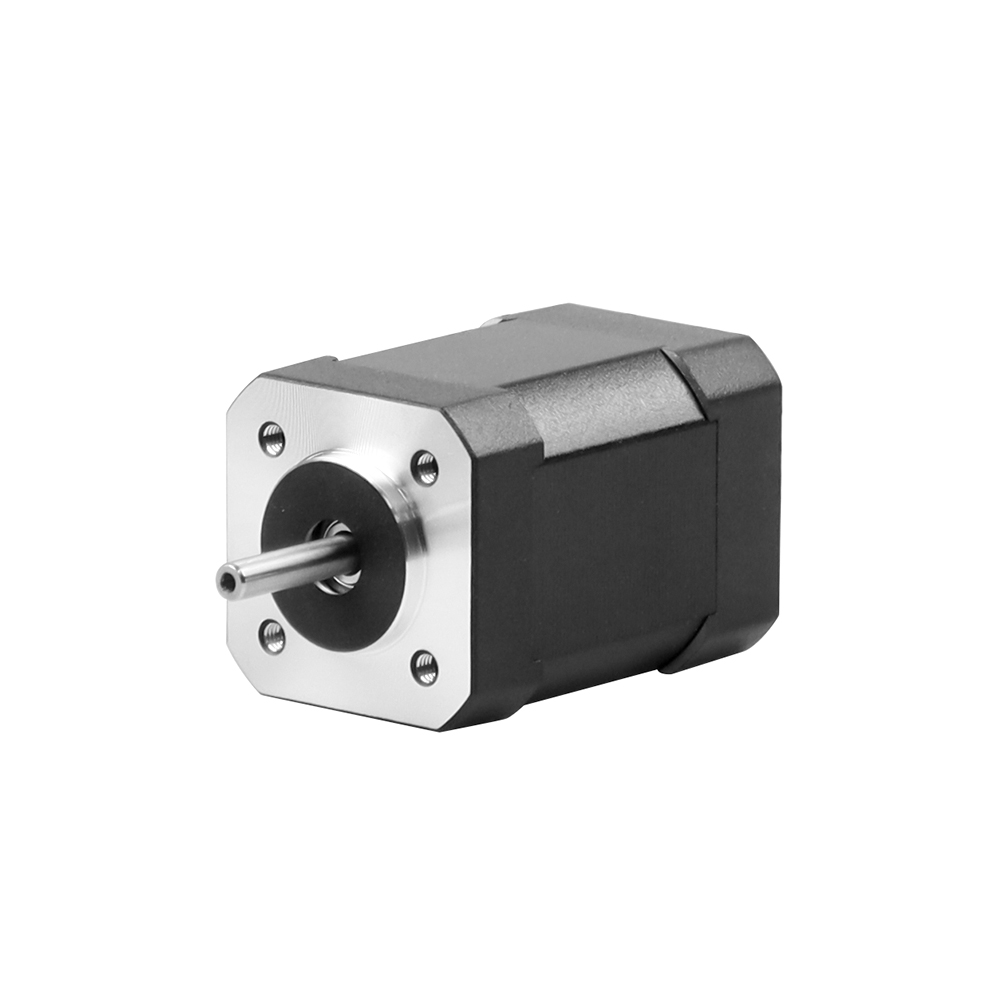
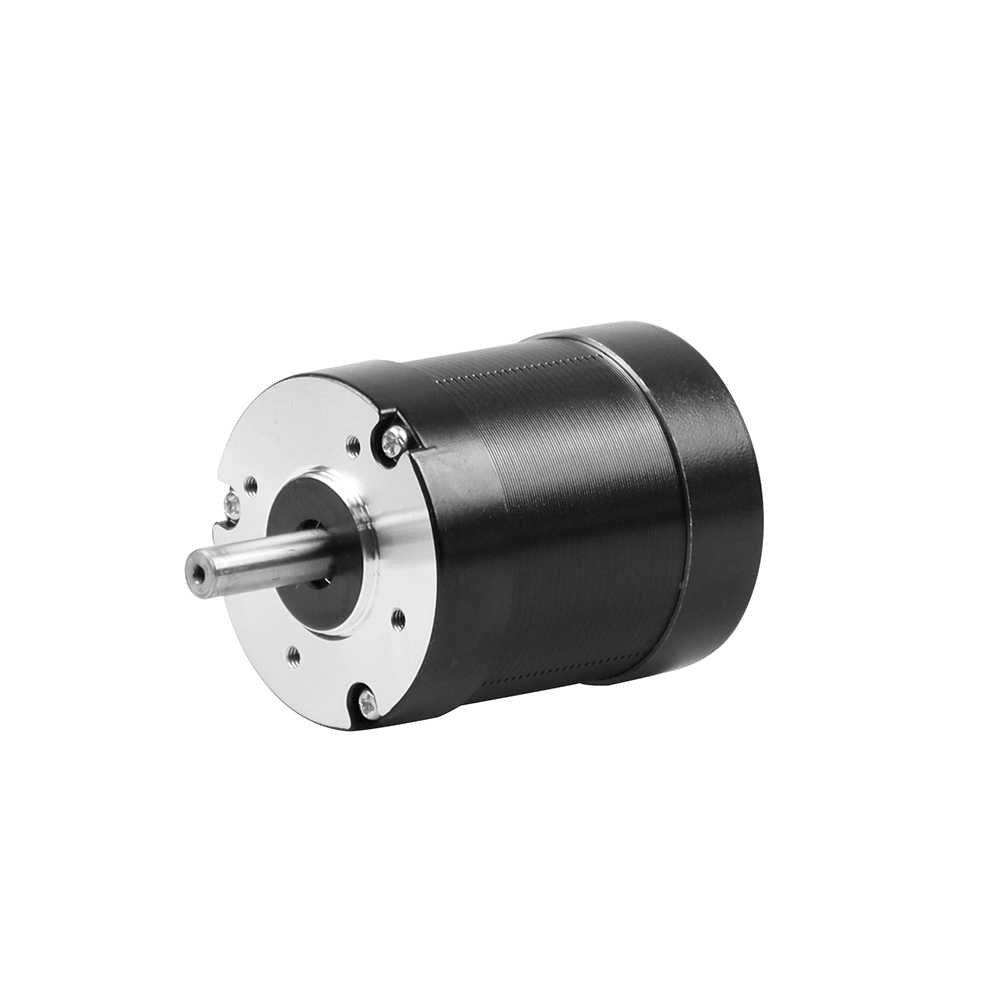
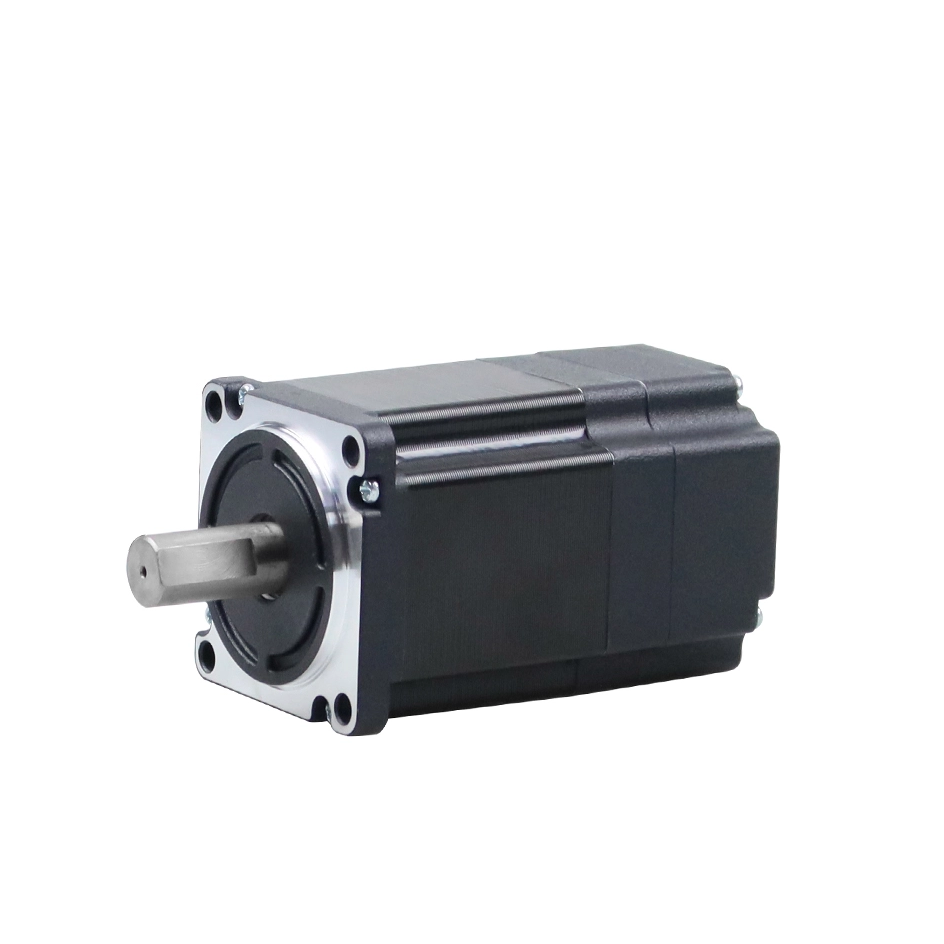
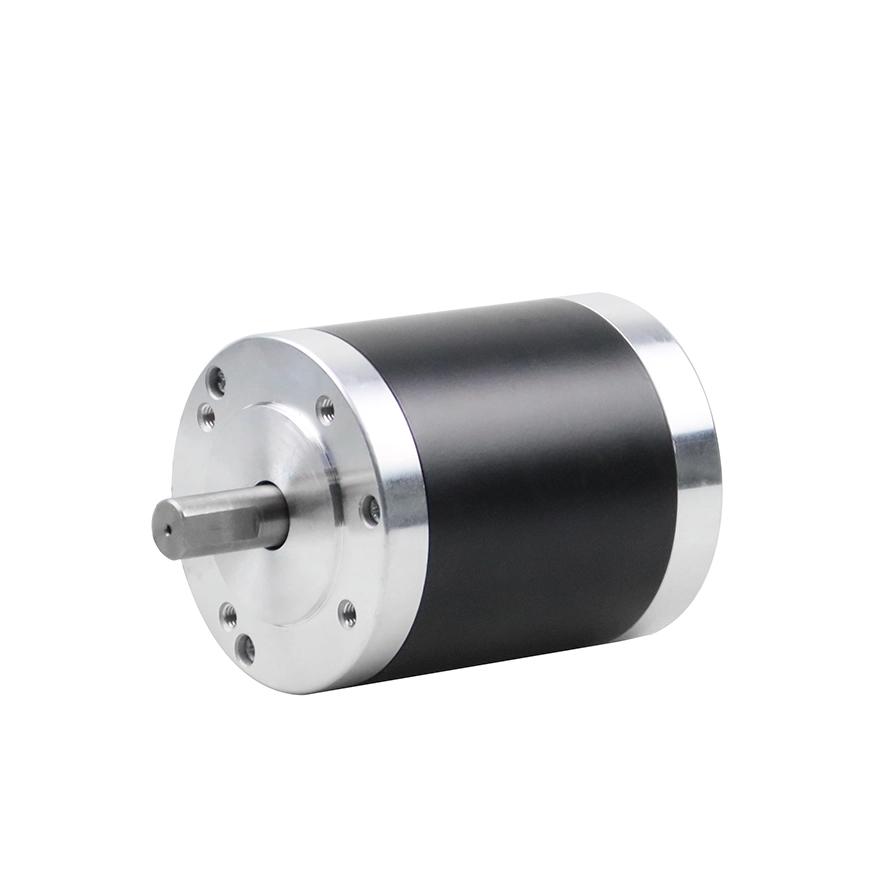
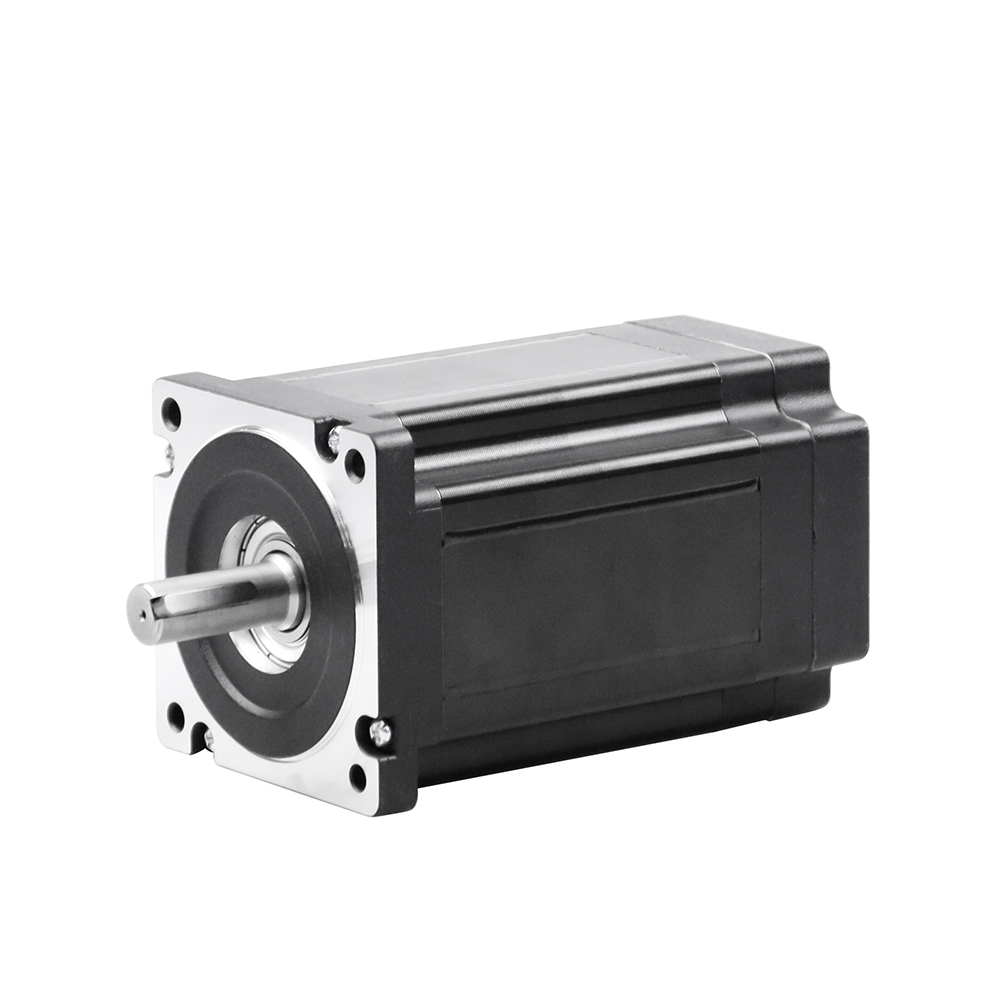
Brushless DC (BLDC) motors have become the preferred choice for high-performance applications—from industrial automation and robotics to electric vehicles and consumer electronics. Their efficiency, reliability, and quiet operation make them superior to brushed motors. Yet a common question remains: How long do BLDC motors actually last?
As engineers and motion-control specialists, we provide an in-depth, data-backed explanation of BLDC motor longevity, including factors affecting lifespan, expected operating hours, and how to maximize service life. This article gives you the most complete and authoritative breakdown so you understand not only how long BLDC motors last, but why.
BLDC Motor Life Expectancy: What You Can Realistically Expect
Under proper operating conditions, a high-quality BLDC motor can last 10,000 to over 50,000 hours of continuous operation. In demanding industrial environments, premium BLDC motor systems frequently surpass 20 years of service with routine maintenance of associated components.
The reason for this exceptional durability is that BLDC motors eliminate the mechanical commutator and brushes—the components most prone to wear and failure in brushed DC motors. With no physical electrical contact needed to drive the rotor, BLDC motors avoid brush erosion, carbon dust buildup, commutator pitting, and the resulting reduction in performance.
Why BLDC Motors Last Longer Than Brushed Motors
Brushless DC (BLDC) motors have become the preferred solution for applications demanding long service life, consistent performance, and minimal maintenance. While both brushed and brushless motors operate on the same electromagnetic principles, their internal construction sets them worlds apart—especially when it comes to durability. In this article, we provide a detailed, technical, and authoritative explanation of why BLDC motors last significantly longer than traditional brushed motors.
Eliminating Brushes Eliminates the Weakest Point of the Motor
The single greatest reason BLDC motors last longer is the absence of brushes.
Brushed motors rely on carbon brushes that constantly rub against a spinning commutator to deliver current. This contact creates:
Friction
Heat
Wear debris
Mechanical resistance
Electrical arcing
Over time, brushes naturally erode and eventually fail, often requiring replacement every few hundred to a few thousand hours.
BLDC motors completely eliminate brushes and replace mechanical commutation with electronic commutation. With no friction-based electrical contact, there is virtually no mechanical wear inside the motor, allowing BLDC systems to operate for tens of thousands of hours with minimal degradation.
Reduced Heat Generation Leads to Longer Component Life
Heat is a major factor in motor lifespan, affecting windings, insulation, bearings, and magnets.
BLDC motors operate with superior efficiency—often 85–90% or higher—significantly reducing heat build-up.
Lower heat means:
By staying cooler under load, BLDC motors maintain performance far longer than brushed motors, which often struggle with heat from brush friction and electrical arcing.
No Brush Arcing Means Cleaner, More Reliable Operation
Brushed motors generate electrical arcs every time brushes make and break contact with the commutator. These arcs contribute to:
Electromagnetic interference (EMI)
Brush and commutator erosion
Increased heat
Carbon dust contamination inside the motor
Unstable performance at high speed
BLDC motors use sensor-based or sensorless electronic commutation, avoiding arcing entirely. With no electrical sparking, the internal motor environment is cleaner, cooler, and more stable—contributing to a drastically longer lifespan.
Superior Bearing Longevity Due to Lower Vibration
Bearings are the primary wear components in any rotating machine. In brushed motors, vibration from brush contact accelerates bearing fatigue. Brush friction also contributes to axial and radial forces that shorten bearing life.
BLDC motors operate smoothly due to:
As a result, bearings last significantly longer, often outliving the motor housing and electronics.
Higher Efficiency Reduces Mechanical and Electrical Stress
Because BLDC motors convert more input power into usable output power, they place less stress on all internal components. Lower current draw and reduced electrical losses protect:
Windings
Permanent magnets
Laminations
Thermal insulation
This leads to a dramatically longer service life compared to brushed motors, which often operate below 80% efficiency.
Precision Electronic Control Enhances Motor Life
BLDC motors use a motor controller (ESC) to handle commutation electronically. This adds significant benefits:
Optimized timing reduces torque ripple
Soft-start functions minimize mechanical shock
Current limiting prevents overload
Thermal protection avoids overheating
Smooth acceleration reduces bearing impact
This digital precision allows BLDC motors to operate under controlled, optimized conditions—something brushed motors cannot achieve due to mechanical limitations.
Minimal Maintenance Requirements Extend Operational Hours
Brushed motors require routine maintenance:
Brush replacement
Commutator cleaning
Debris removal
Frequent lubrication
Every maintenance cycle also introduces downtime and the possibility of component failure.
In contrast, BLDC motors need near-zero maintenance, aside from ensuring proper cooling, clean operation, and occasional bearing inspection. With no consumable components like brushes, BLDC motors routinely exceed 10,000 to 50,000 hours of service.
Better Performance at High Speed and Heavy Duty Cycles
Brushed motors degrade rapidly when used:
At high rotational speeds
In continuous-duty cycles
Under high starting torque
In high-load environments
Brush friction, arcing, and heat multiply under heavy use.
BLDC motors excel in these scenarios because they avoid brush limitations entirely. They maintain stable performance in demanding applications such as robotics, CNC machinery, industrial automation, and electric vehicles.
Conclusion: BLDC Motors Are Built for Long-Term Reliability
BLDC motors last longer than brushed motors for clear engineering reasons:
No brushes = no mechanical wear
Lower heat = extended component life
No arcing = cleaner operation
Longer bearing life due to reduced vibration
Higher efficiency reduces electrical stress
Electronic control optimizes performance and protects the motor
Minimal maintenance supports long-term uptime
These advantages make BLDC motors the industry standard for applications requiring long service life, precision control, and reliability.
What Truly Determines the Lifespan of a BLDC Motor?
Although BLDC motors are inherently long-lasting, several operational variables determine whether they reach their full potential lifespan or fail prematurely.
1. Bearing Quality and Load
Bearings are the only major wearable components in a BLDC motor.
Their life depends on:
Even with perfect electrical performance, bearing failure ends motor life. Premium bearings drastically extend BLDC lifespan.
2. Motor Operating Temperature
A BLDC motor that consistently runs above its rated temperature will degrade faster due to:
Maintaining cool operation is the most effective method of extending motor life.
3. Duty Cycle and Operating Speed
Motors used continuously at high speed or high load experience accelerated wear.
Typical use cycles include:
100% duty cycle: continuous industrial systems
40–60% duty cycle: robotics and automation
<20% duty cycle: consumer products
Higher duty cycles naturally reduce overall lifespan.
4. Environmental Conditions
BLDC motors thrive in clean, controlled conditions. External factors that shorten lifespan include:
Dust and debris contamination
Moisture and humidity
Corrosive or chemical exposure
Extreme ambient temperatures
Conductive dust affecting electronics
IP-rated enclosures or sealed motors help combat these effects.
5. Electronic Speed Controller (ESC) Quality
A BLDC motor is only as reliable as its controller.
Poor ESC design leads to:
A high-quality ESC is essential for achieving rated motor lifespan.
How Long Do BLDC Motors Last in Real Applications?
Brushless DC (BLDC) motors are widely recognized for their exceptional durability, high efficiency, and ability to outperform traditional brushed motors in nearly every measurable category. However, the most important question for engineers, product developers, and equipment manufacturers remains: How long do BLDC motors actually last in real-world applications?
The answer depends heavily on the application, operating conditions, environmental factors, and the quality of both the motor and its electronic controller. Below is the most comprehensive, detailed, and technically accurate breakdown of BLDC motor lifespan across major industries.
Expected BLDC Motor Lifespan Across Different Industries
1. Consumer Electronics and Small Devices (1,000 – 5,000 Hours)
BLDC motors in handheld and consumer-grade devices often operate in harsh or inconsistent conditions. Typical uses include:
Drones
Power tools
Vacuum cleaners
Cooling fans
RC vehicles
These applications involve rapid acceleration, frequent start-stop cycles, high speeds, and exposure to dust or impact. Although BLDC motors naturally outperform brushed motors here, their lifespan usually falls between 1,000 and 5,000 hours, depending on usage intensity.
Key limiting factors:
Heat buildup during long duty cycles
Low-cost bearing designs
Environmental contamination
Aggressive throttle changes (e.g., in drones)
2. Robotics and Automation (10,000 – 20,000 Hours)
BLDC motors used in robotics and automated systems typically operate with balanced loads, optimized duty cycles, and controlled environments. Applications include:
Robotic arms
Automated assembly lines
Pick-and-place machines
AGVs and AMRs
Because these systems rely on predictable movement profiles and high-quality controllers, BLDC motors here often exceed 10,000 to 20,000 hours of service life.
Key supporting factors:
3. Industrial Machinery (20,000 – 40,000 Hours)
Heavy-duty industrial machinery requires motors that can run continuously without failing. BLDC motors are common in:
In these applications, motors are typically designed with higher-grade bearings, better thermal performance, and rugged housings. Lifespans of 20,000 to 40,000 hours are common.
Key supporting factors:
Proper motor sizing and torque margin
Clean, temperature-controlled environments
Scheduled maintenance practices
4. HVAC Systems and Air Handling Equipment (30,000 – 60,000 Hours)
BLDC motors are increasingly used in HVAC systems because of their exceptional efficiency and quiet operation. Common applications include:
Air handlers
Condenser fans
Blowers
Ventilation systems
These motors often run continuously but at moderate speeds and stable loads, allowing them to achieve 30,000 to 60,000 hours of reliable service.
Why HVAC motors last so long:
5. Medical Equipment (10,000 – 30,000 Hours)
Medical devices require precise control, smooth rotation, and long-term reliability. BLDC motors are found in:
Ventilators
Infusion pumps
Surgical tools
Imaging equipment
High-quality construction and tightly controlled operating environments give BLDC motors in medical applications lifespans between 10,000 and 30,000 hours.
Critical considerations:
6. Electric Vehicles and Transportation (10–20 Years or 15,000–30,000 Hours)
In electric vehicles (EVs), BLDC motors—or permanent magnet synchronous motors (a related technology)—are engineered to operate for 10–20 years, often exceeding 15,000 to 30,000 hours of driving time.
EV motors are built with:
Because they handle high torque, frequent startup cycles, and wide temperature ranges, EV motor design emphasizes longevity and robustness.
7. Aerospace, Military, and High-Reliability Systems (40,000+ Hours)
Top-tier BLDC motors used in aerospace and military applications are designed for extreme reliability, often functioning flawlessly for 40,000 hours or more.
Examples include:
These motors are engineered with aerospace-grade materials and often undergo rigorous reliability testing, drastically extending their lifespan.
What Most Often Limits BLDC Motor Lifespan?
While BLDC motors do not suffer from brush wear, they can still fail prematurely due to:
1. Bearing Wear (Most Common Failure Point)
Even high-quality bearings have finite lifespan, affected by:
2. Overheating
Excess heat can damage:
3. Poor Motor Controller (ESC) Quality
Low-quality ESCs can cause:
4. Environmental Conditions
Harsh conditions shorten lifespan significantly:
Dust
Moisture or condensation
Chemical exposure
Extreme temperatures
5. Mechanical Overload
Operating a motor beyond its torque rating results in:
Rapid thermal rise
Bearing strain
Winding damage
Conclusion: Real-World BLDC Lifespan Depends on Application and Care
BLDC motors consistently outperform brushed motors in every industry—from consumer devices to high-end industrial automation and electric vehicles. Their real-world service life ranges widely, but with proper load control, cooling, and maintenance, BLDC motors can achieve decades of reliable operation.
No matter the application, BLDC motors deliver durability, efficiency, and performance that brushed motors simply cannot match.
Early Warning Signs of BLDC Motor Degradation
Even though BLDC motors are highly reliable, degradation does occur. Watch for these symptoms:
Increased vibration
Rising operating temperature
Reduced torque output
Audible bearing noise
Fluctuating speed or ESC errors
Higher current draw under normal load
Identifying these symptoms early can prevent catastrophic failure and protect surrounding machinery.
How to Maximize BLDC Motor Lifespan
1. Keep Operating Temperatures Low
Implement cooling strategies:
Every 10°C reduction in temperature can double motor lifespan.
2. Avoid Overloading
Use a motor with sufficient torque margin. Overspecifying by 20–30% dramatically improves longevity.
3. Select High-Quality Bearings
Choose motors with:
These extend service life significantly.
4. Use a High-Quality ESC
A premium ESC ensures:
Accurate commutation
Smooth startup
Overcurrent protection
Efficient timing control
Minimal torque ripple
5. Implement Preventive Maintenance
Even BLDC motors benefit from periodic checks:
6. Maintain a Clean Operating Environment
Dust and moisture are the enemies of long-term motor performance. Use enclosures or IP-rated motors when necessary.
Do BLDC Motors Eventually Wear Out?
Brushless DC (BLDC) motors are renowned for their durability, high efficiency, and low maintenance requirements. Their construction eliminates the most failure-prone components found in traditional brushed motors, allowing them to operate reliably for tens of thousands of hours. Yet the question remains: Do BLDC motors ever wear out?
The short answer is yes, but the reasons and timelines are far different from those of brushed motors.
Below, we provide a deep, technical, and comprehensive explanation of how and why BLDC motors eventually wear out—and which components dictate their true lifespan.
BLDC Motors Do Wear Out—But Not in the Same Way as Brushed Motors
Traditional brushed motors fail primarily because brushes physically rub against the commutator, causing inevitable wear. BLDC motors eliminate this entire mechanism, meaning they avoid:
As a result, BLDC motors typically last 10–50 times longer than brushed motors.
However, despite their advanced design, they are not immune to wear. BLDC motors eventually degrade due to mechanical, thermal, electrical, or environmental factors.
The #1 Wear Component in BLDC Motors: Bearings
In nearly every BLDC motor, the component most likely to fail over time is the bearing assembly. Bearings are responsible for supporting the rotating shaft with minimal friction, but they naturally wear due to:
Even the highest-quality ceramic hybrid bearings have finite operational lifespans, typically ranging from 10,000 to 100,000 hours, depending on the application.
When bearings wear out, the motor becomes noisy, inefficient, or eventually seizes.
Thermal Stress: A Silent Motor Killer
Although BLDC motors run cooler than brushed motors, excessive heat can still cause long-term degradation. Common heat-related wear includes:
1. Insulation Breakdown
The enamel insulation on copper windings deteriorates over time when exposed to:
High temperatures
Voltage spikes
Continuous heavy load
As insulation weakens, the risk of short circuits increases.
2. Magnet Demagnetization
Permanent magnets in the rotor can lose strength if exposed to:
This results in reduced torque, lower efficiency, and eventual failure.
3. Lubrication Evaporation
Heat accelerates lubricant breakdown in bearings, dramatically shortening motor lifespan.
Mechanical Overload: A Leading Cause of Premature Failure
BLDC motors are designed to operate within specific torque, speed, and load ranges. Exceeding these limits introduces stress that leads to wear.
Common overload scenarios include:
Running motors near or above maximum torque rating
Frequent hard starts or abrupt directional changes
High inertial loads
Belt or gear side-loading
Misalignment between motor and driven equipment
This can accelerate bearing wear, winding heating, and mechanical fatigue.
Environmental Factors That Cause BLDC Wear
Real-world conditions play a major role in motor longevity. BLDC motors can wear out prematurely when exposed to:
1. Dust and Debris
Particles entering the motor can destroy bearings or block cooling airflow.
2. Moisture or Condensation
Water intrusion leads to:
3. Chemical Exposure
Corrosive environments affect:
Metal components
Winding insulation
Electronics in the ESC
4. Extreme Temperatures
Both high and low temperatures accelerate mechanical wear and reduce lubrication effectiveness.
Electronic Components Can Also Age
Although BLDC motors have fewer mechanical wear parts, they rely on an electronic speed controller (ESC). The ESC itself can degrade over time due to:
A failing ESC can shorten motor life by causing incorrect commutation timing, overcurrent, or overheating.
Do BLDC Motors Wear Out Faster in Certain Applications?
Yes. Some applications inherently stress BLDC motors more than others.
Fast wear likely occurs in:
Drones and RC applications (high RPM, frequent acceleration)
Power tools (shock loads, heat)
Harsh industrial environments (dust, chemicals, vibration)
Slow wear occurs in:
HVAC systems (steady speeds, low load)
Medical devices (controlled environments)
Industrial automation (consistent duty cycles)
Can a BLDC Motor Last Forever?
Mechanically, no, because bearings and insulation have finite lifespans.
Electrically, almost yes, because windings and magnets can last indefinitely if properly cooled and protected.
In well-designed systems with proper maintenance, BLDC motors often:
Outlive the product they are installed in
Require only bearing replacements to extend operational life
Provide reliable service for 20+ years
Summary :BLDC Motors Do Wear Out, But Very Slowly
BLDC motors are engineered for longevity. They avoid the primary wear mechanism found in brushed motors and can run for tens of thousands of hours with minimal degradation. While they will eventually wear out due to bearings, heat, mechanical load, or environmental conditions, their lifespan is significantly longer and more reliable than older motor technologies.
With proper sizing, cooling, and quality components, BLDC motors can easily provide decades of dependable operation, making them the preferred choice in today’s demanding applications.
Conclusion: BLDC Motors Offer Exceptional Longevity When Properly Used
BLDC motors are engineered for long service life, with many models operating flawlessly for tens of thousands of hours. When paired with high-quality bearings, proper thermal management, and a reliable ESC, BLDC motors provide unmatched durability and efficiency across countless applications.
For anyone seeking performance, reliability, and long-term value, BLDC motors remain one of the most dependable solutions available today.

 English
 العربية
 Français
 Русский
 Español
 Português
 Deutsch
 italiano
 日本語
日本語 한국어
한국어 Nederlands
 Tiếng Việt
 ไทย
ไทย Polski
 Türkçe
 ພາສາລາວ
 ភាសាខ្មែរ
 Bahasa Melayu
 ဗမာစာ
ဗမာစာ Filipino
 Bahasa Indonesia
 magyar
 Română
 Čeština
 Монгол
 қазақ
қазақ Српски
 हिन्दी
 فارسی
فارسی Slovenčina
 Slovenščina
 Norsk
Norsk Svenska
 українська
 Ελληνικά
 Suomi
Suomi Հայերեն
 עברית
עברית Latine
 Dansk
Dansk Shqip
Shqip বাংলা
বাংলা Hrvatski
 Afrikaans
 Gaeilge
 Eesti keel
 Oʻzbekcha
 latviešu
 Azərbaycan dili
 Български
 Català