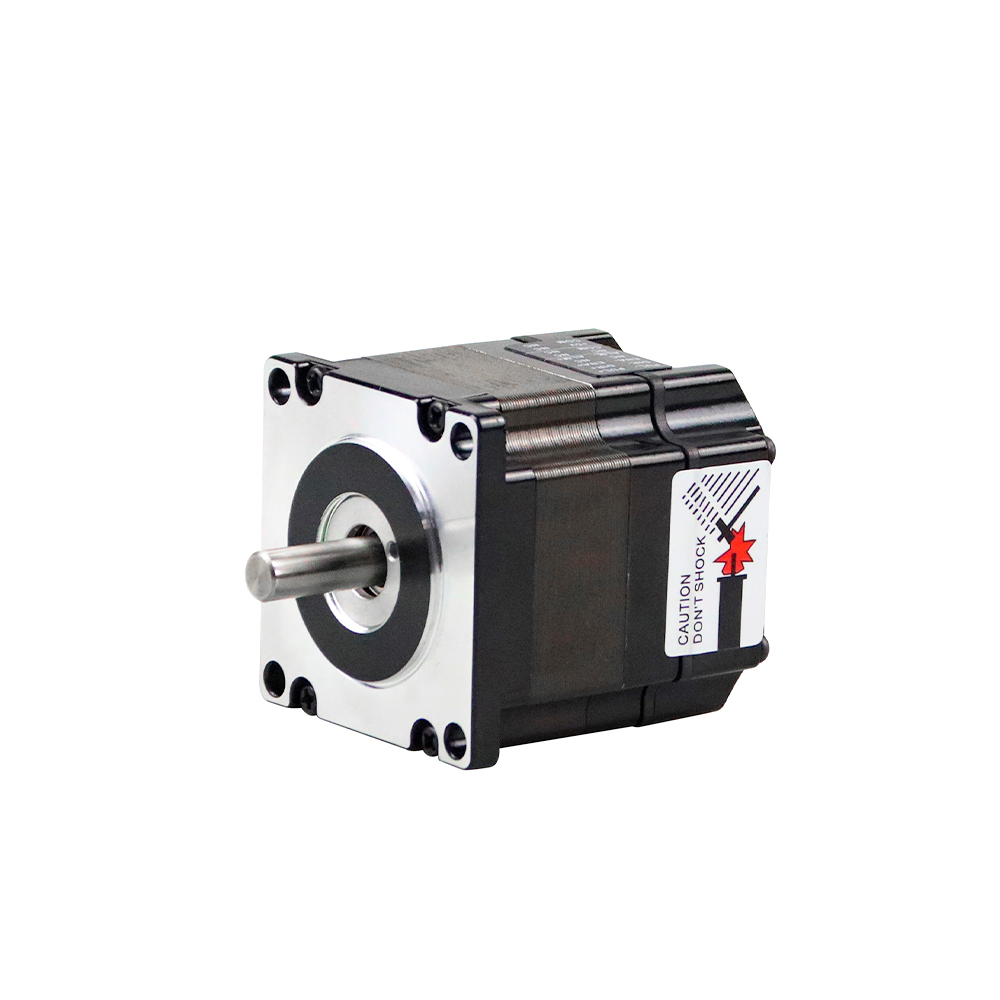
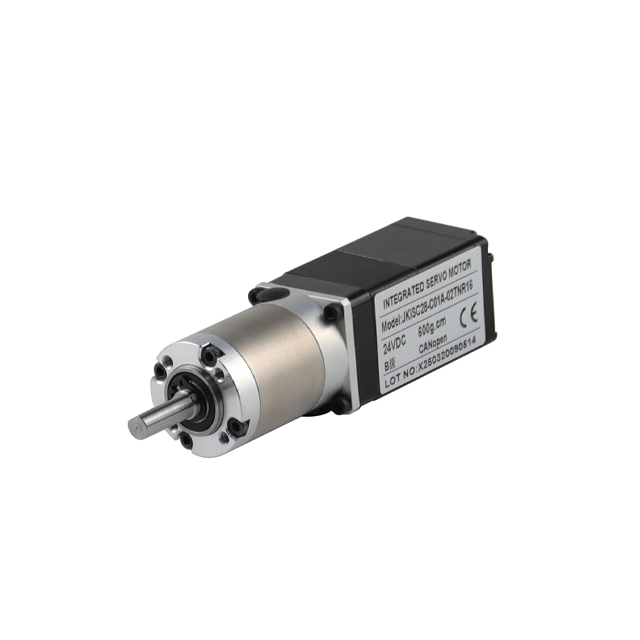
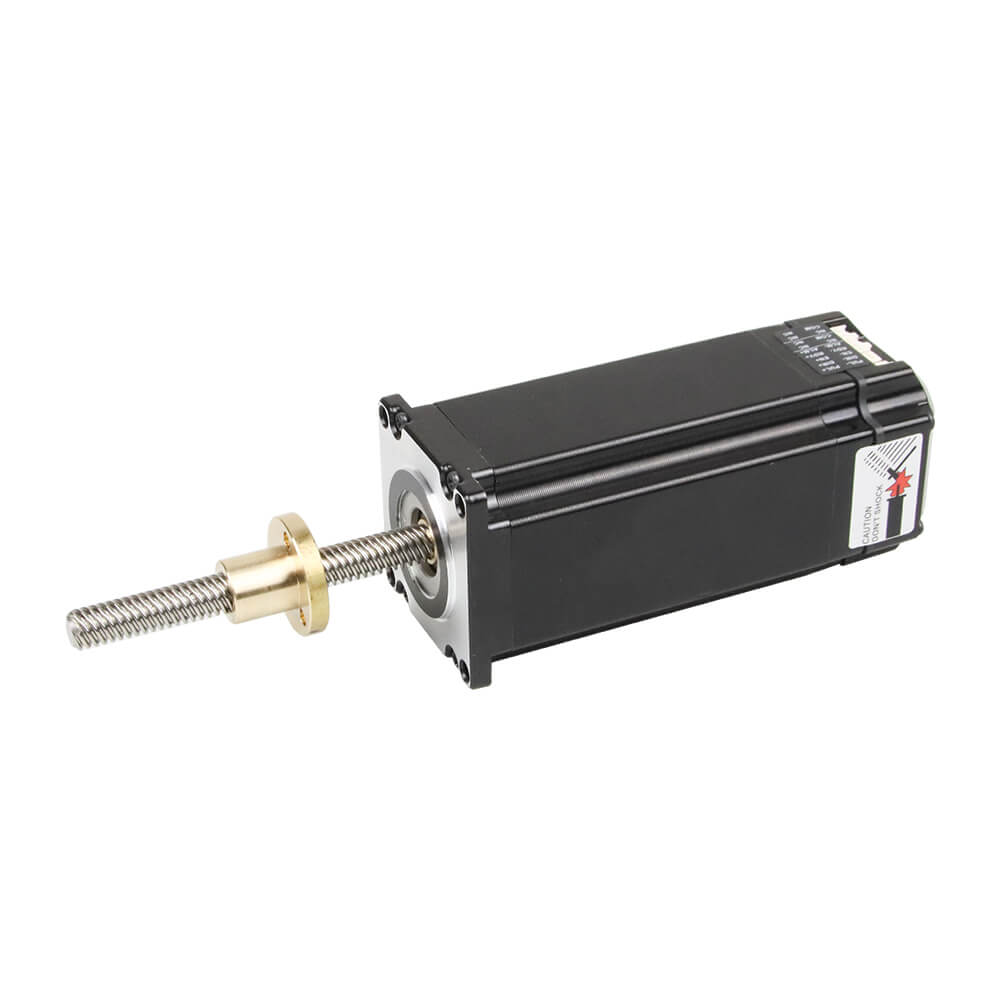
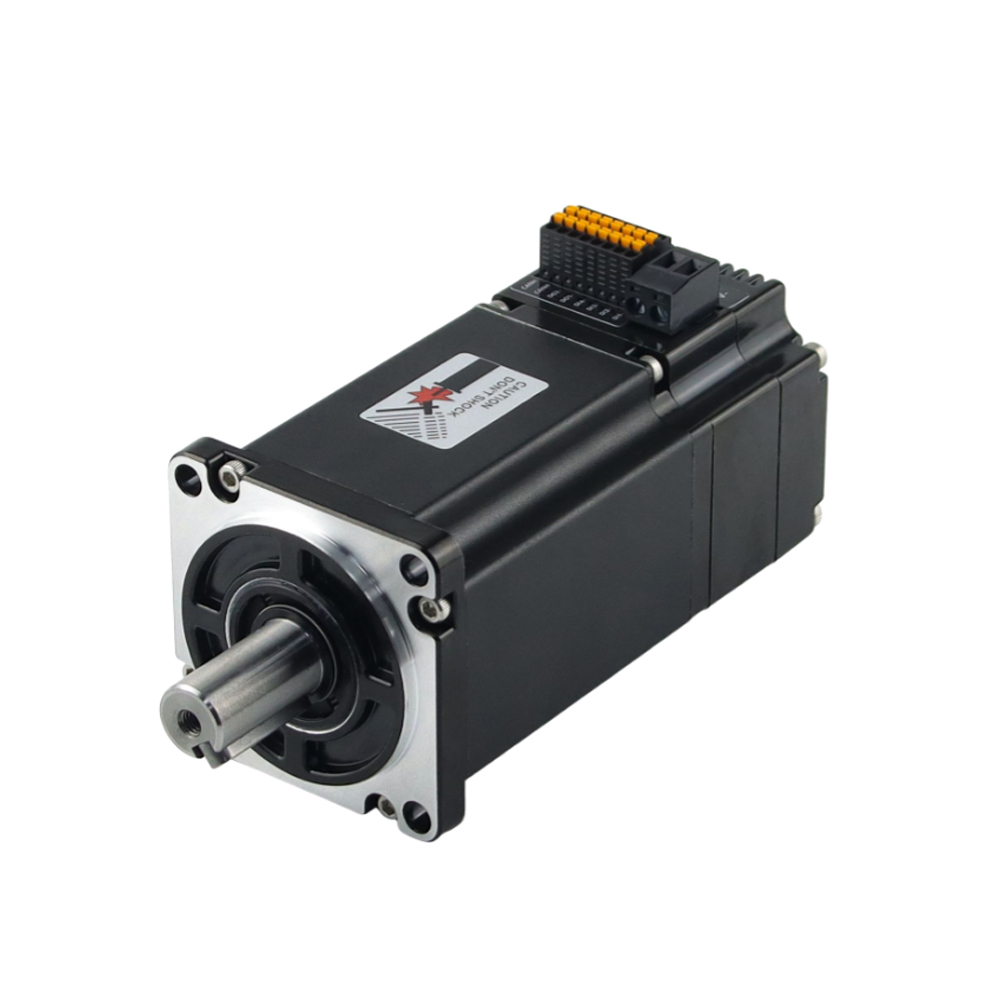
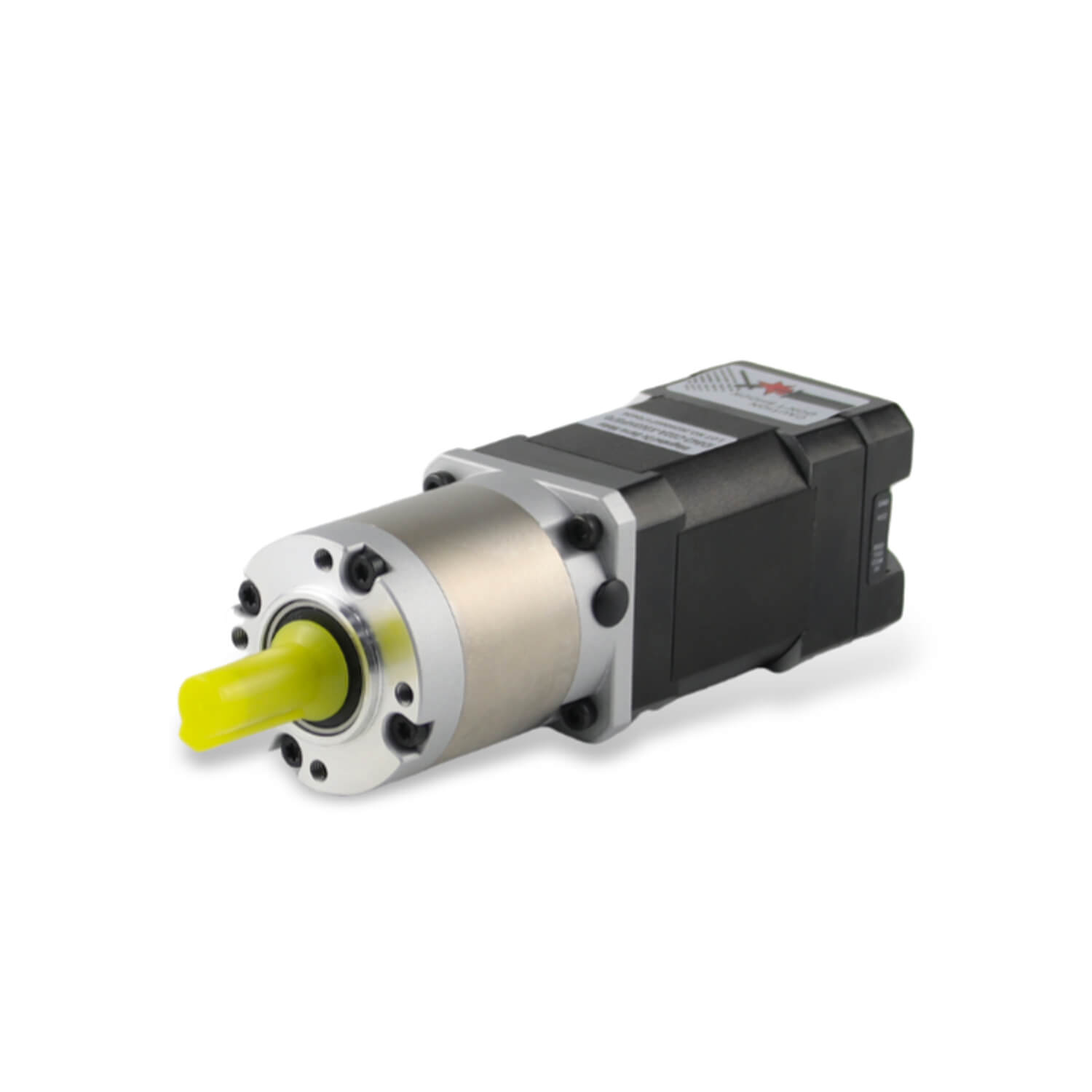
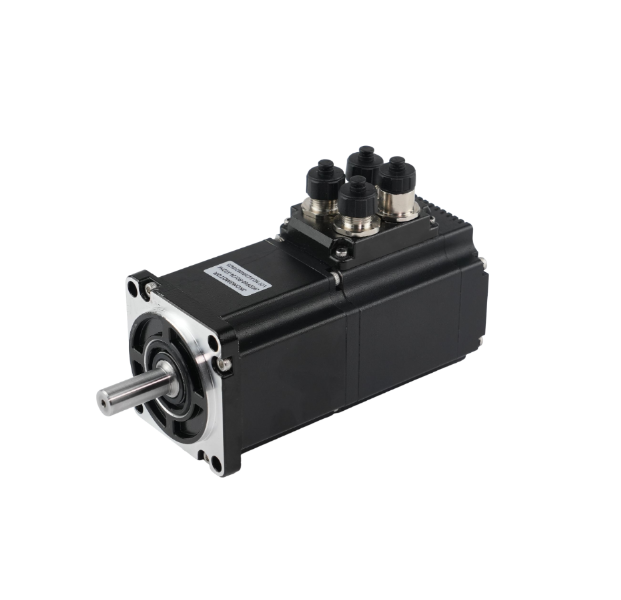
In modern automated manufacturing environments, machine tending robots play a crucial role in improving productivity, reducing labor costs, and ensuring consistent product quality. As automation continues to evolve, manufacturers are increasingly turning to integrated servo motors to enhance the performance, flexibility, and efficiency of machine tending robots. By combining servo motor, drive, encoder, and controller into a single compact unit, integrated servo motors deliver substantial advantages that traditional motion control systems cannot match.
We design integrated servo motor solutions specifically to optimize machine tending robot efficiency, streamline system architecture, and improve operational reliability. This article explores in detail how integrated servo motors enhance machine tending robot performance, reduce operational costs, and enable next-generation automation.
What Are Integrated Servo Motors for Machine Tending Robots?
Integrated servo motors are advanced motion control solutions that combine multiple components into a single compact housing, including:
Servo motor
Drive/controller
Encoder
Communication interface
Optional brake system
This all-in-one design eliminates the need for external controllers, reduces wiring complexity, and significantly improves system responsiveness.
For machine tending robots, integrated servo motors provide:
These advantages make integrated servo motors an ideal choice for CNC machine tending, injection molding tending, stamping automation, and robotic loading/unloading systems.
Besfoc Integrated Servo Motor System Customized Service
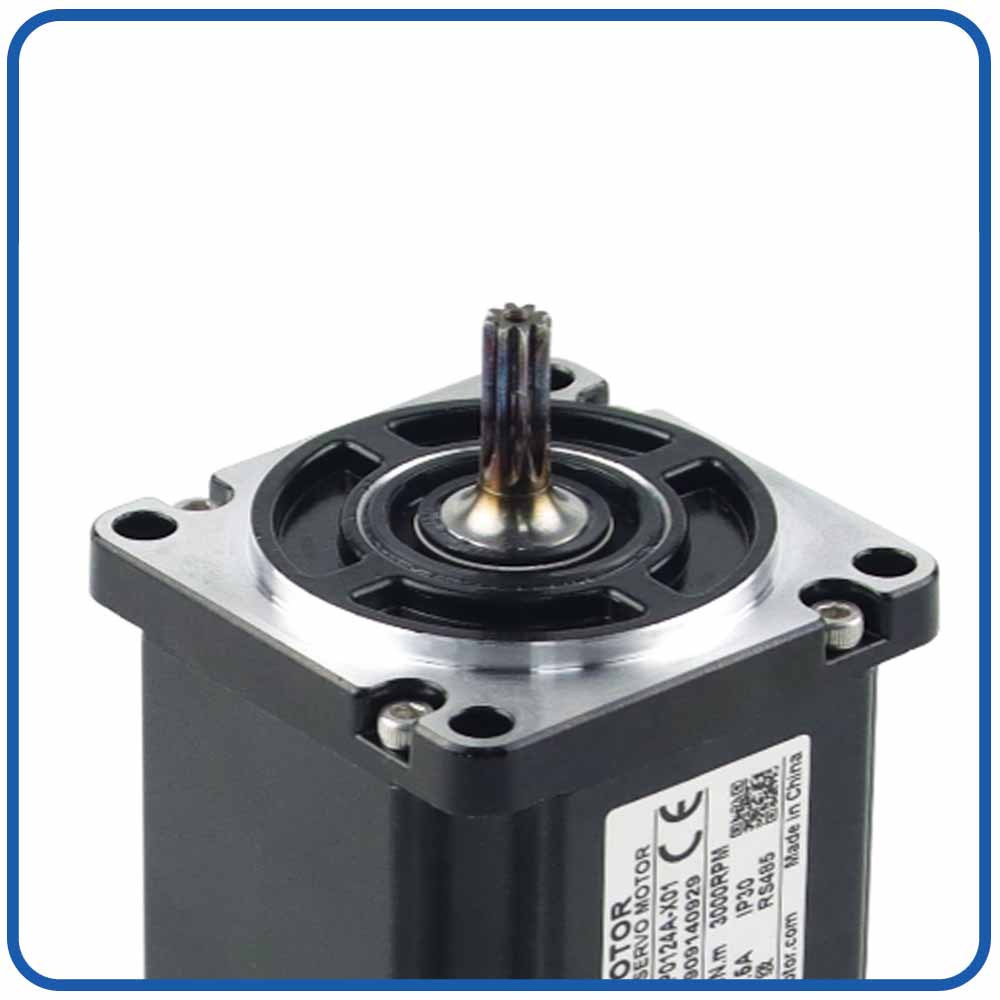 | 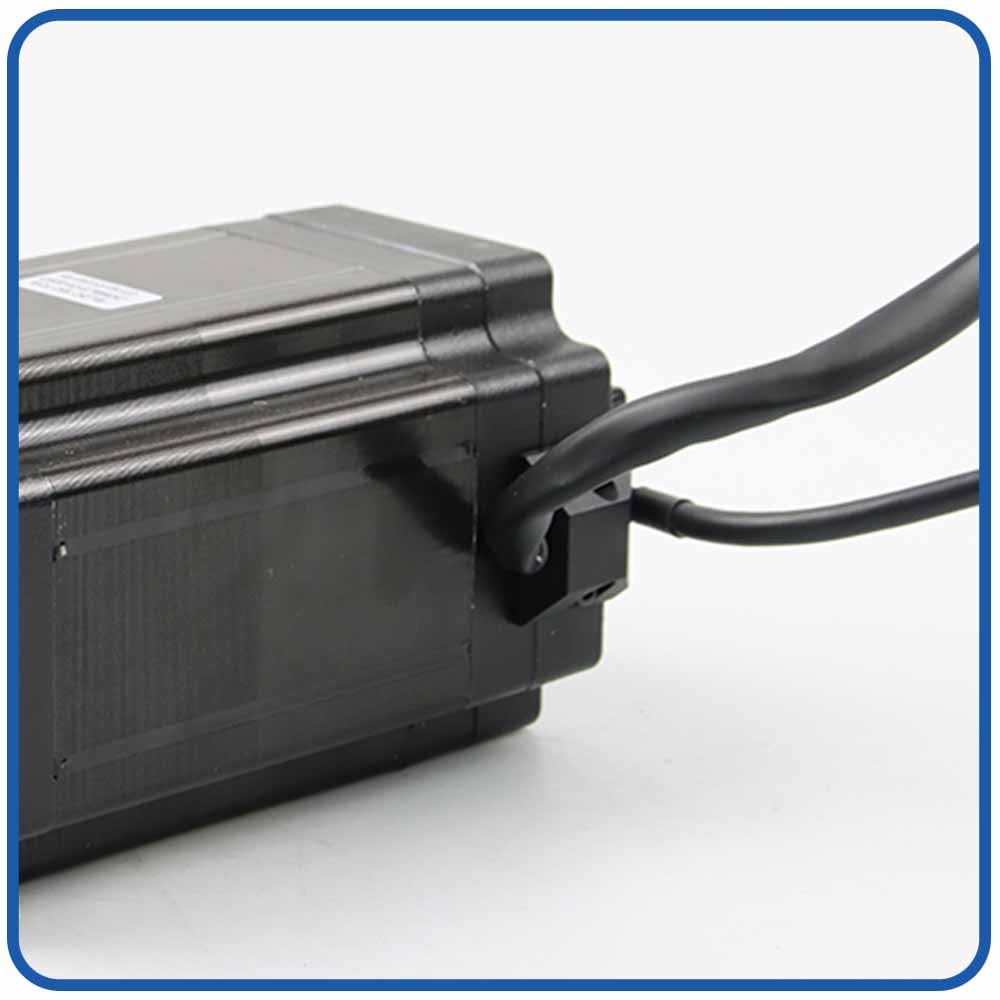 | 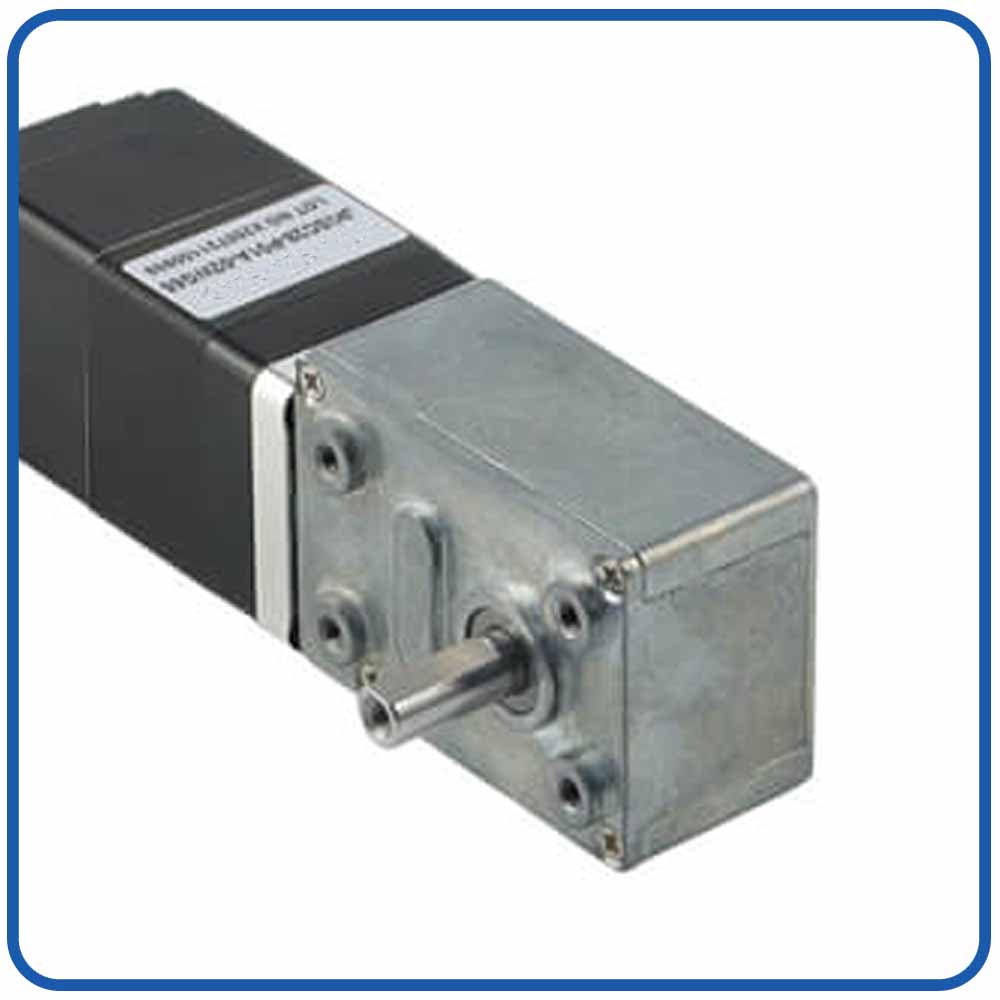 | 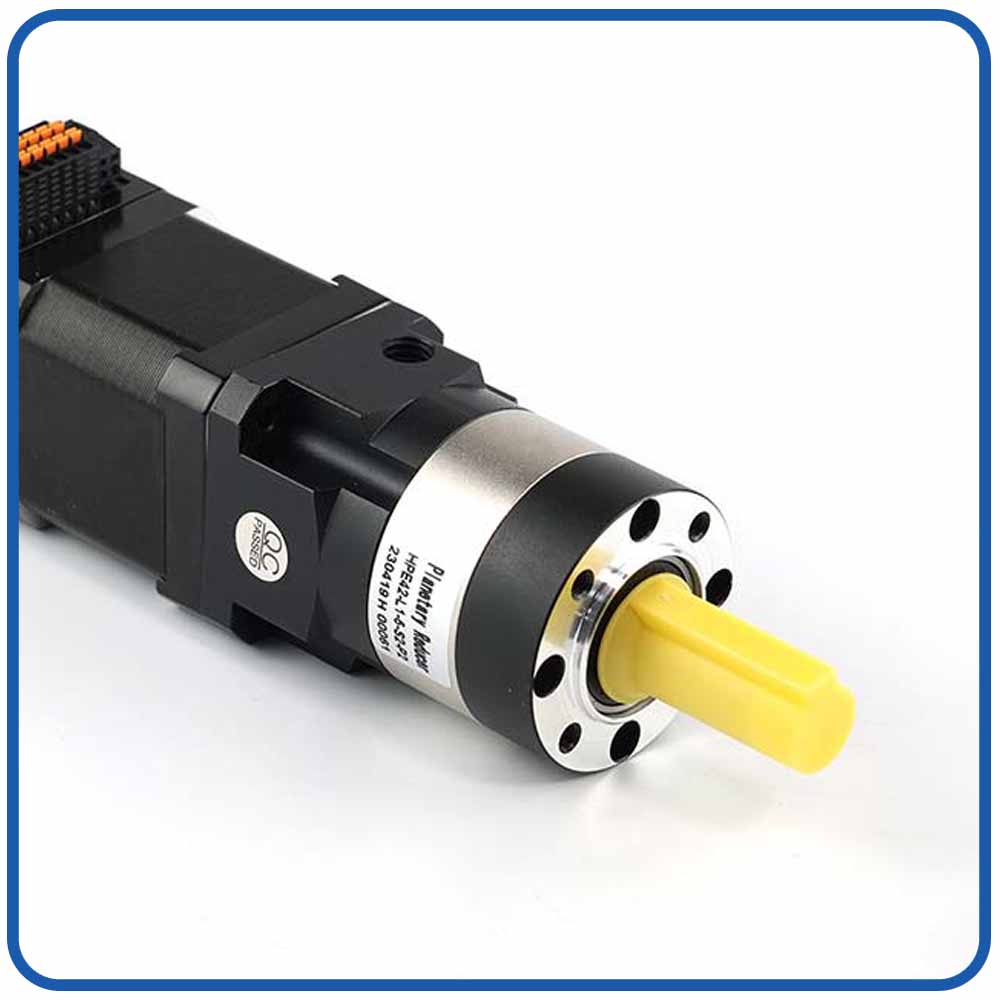 | 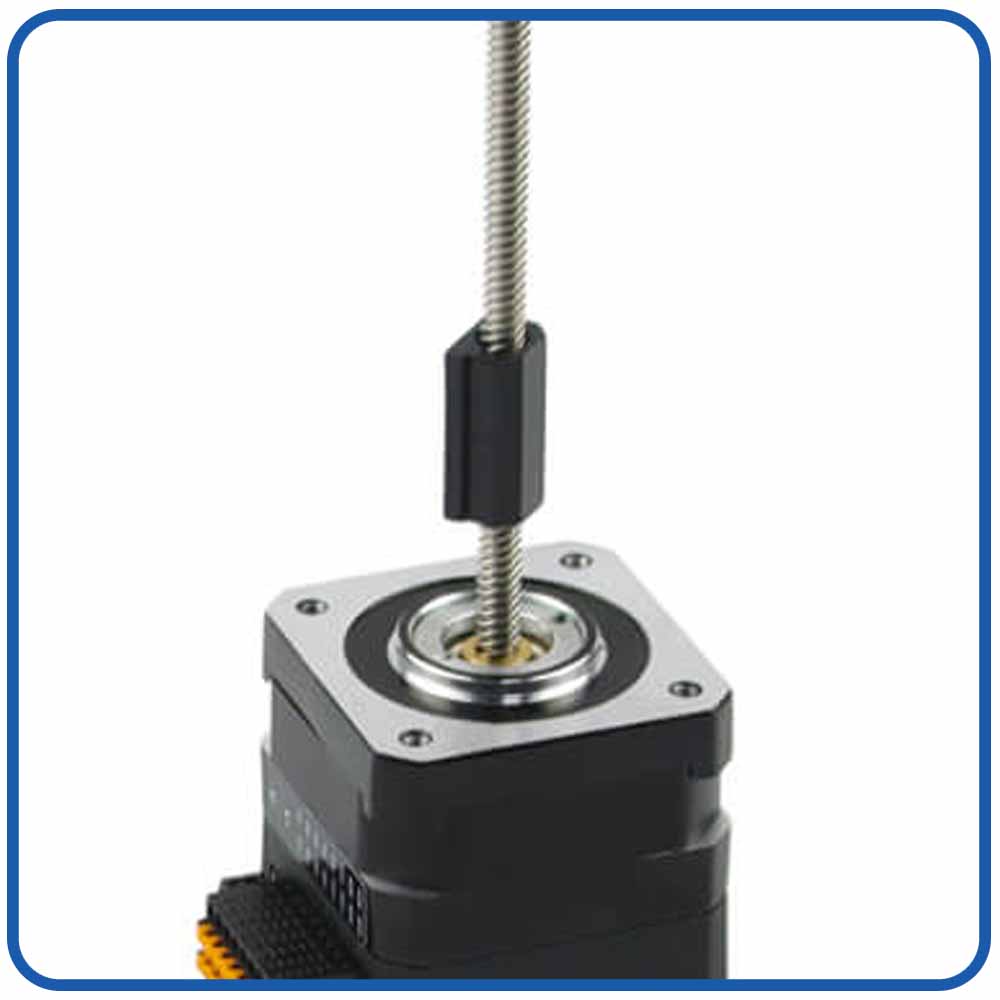 | BesFoc Customized Motors:
According to the application needs, provide a variety of customized motor solutions, common customization includes:
-
Sealed motor, suitable for dusty environment, dirty environment with small temperature change, etc
-
Special shaft, such as size, shape, etc
-
Belt wheels, gears and couplings etc
-
Encoders and other feedback components
-
Encoders and other feedback components. Lead length and customer use termination plug-in |
| Shaft | Terminal housing | Worm Gearbox | Planetary Gearbox | Lead Screw |
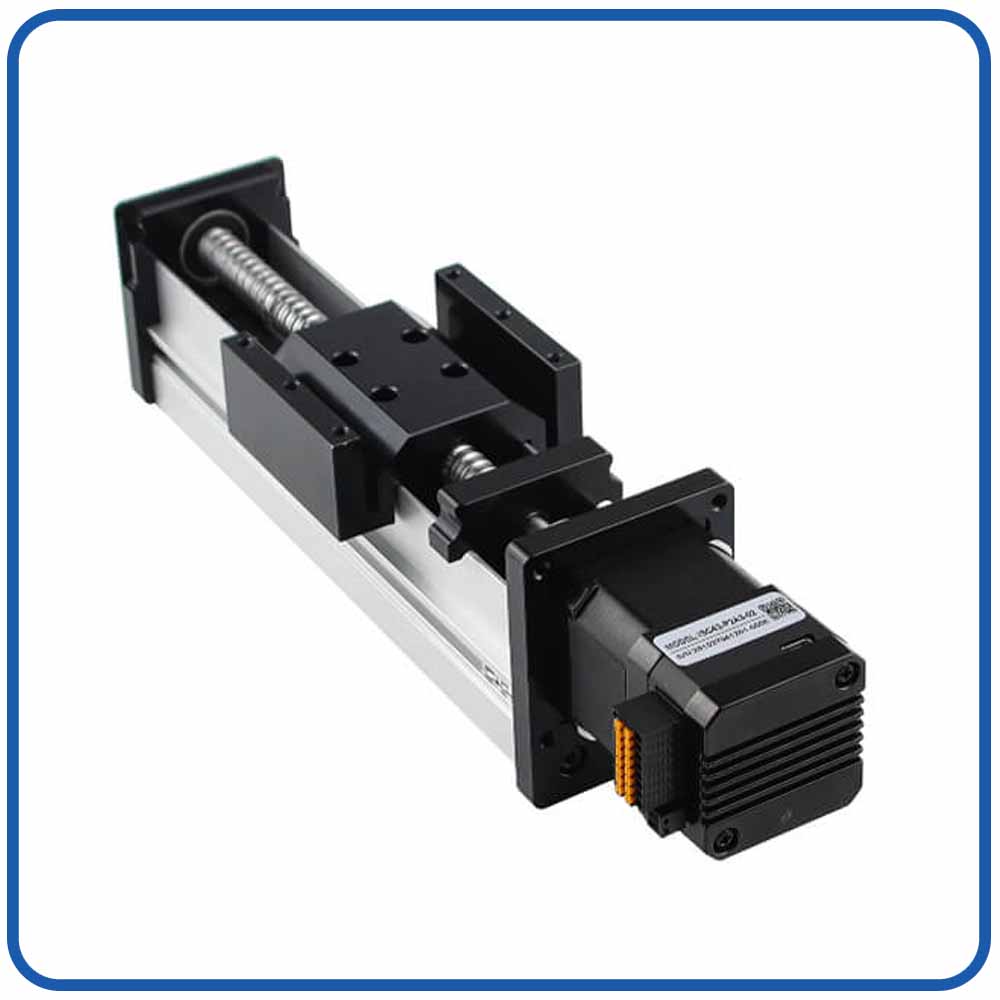 | 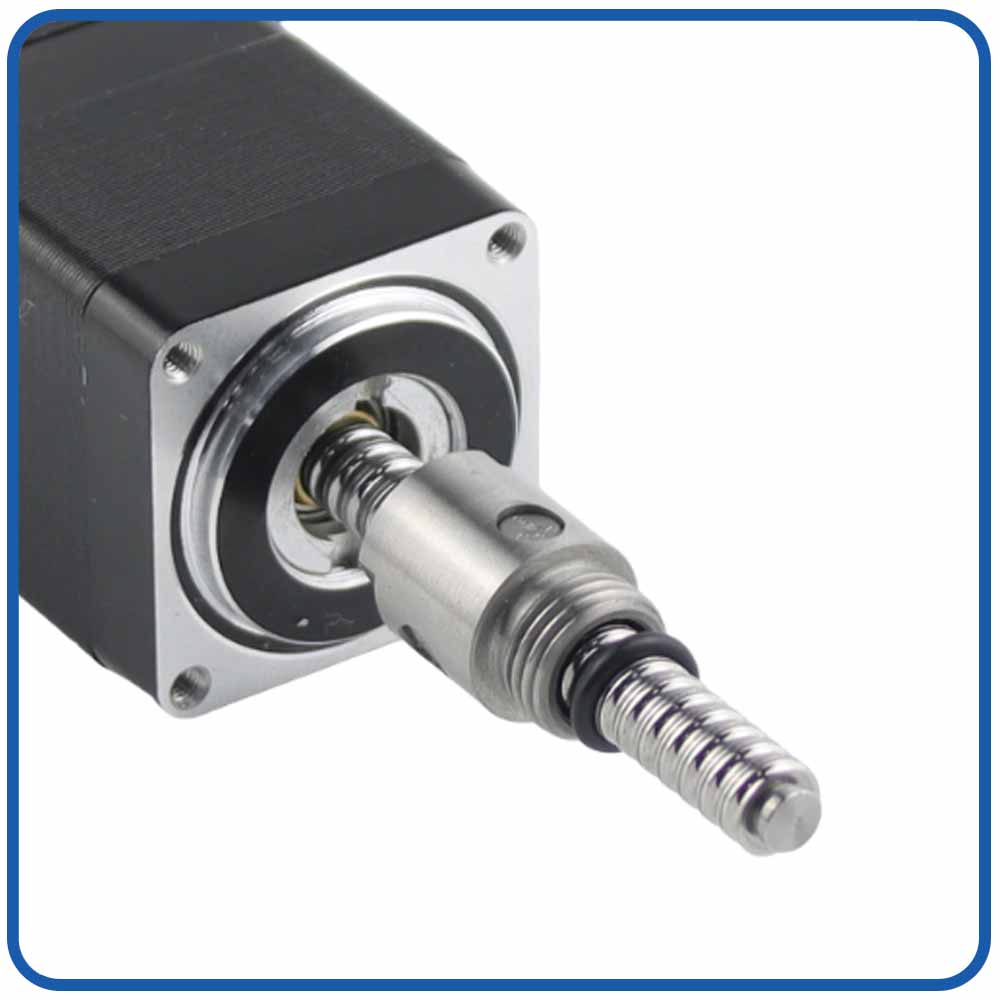 | 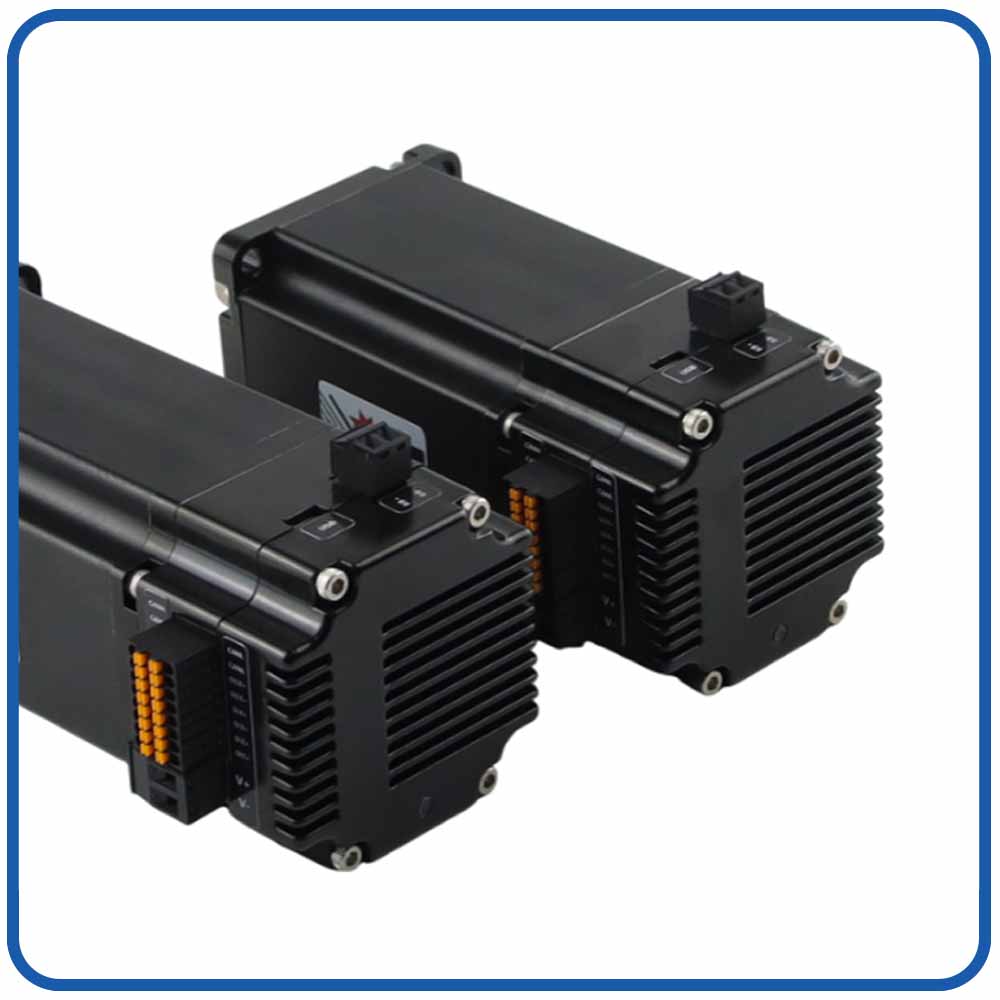 | 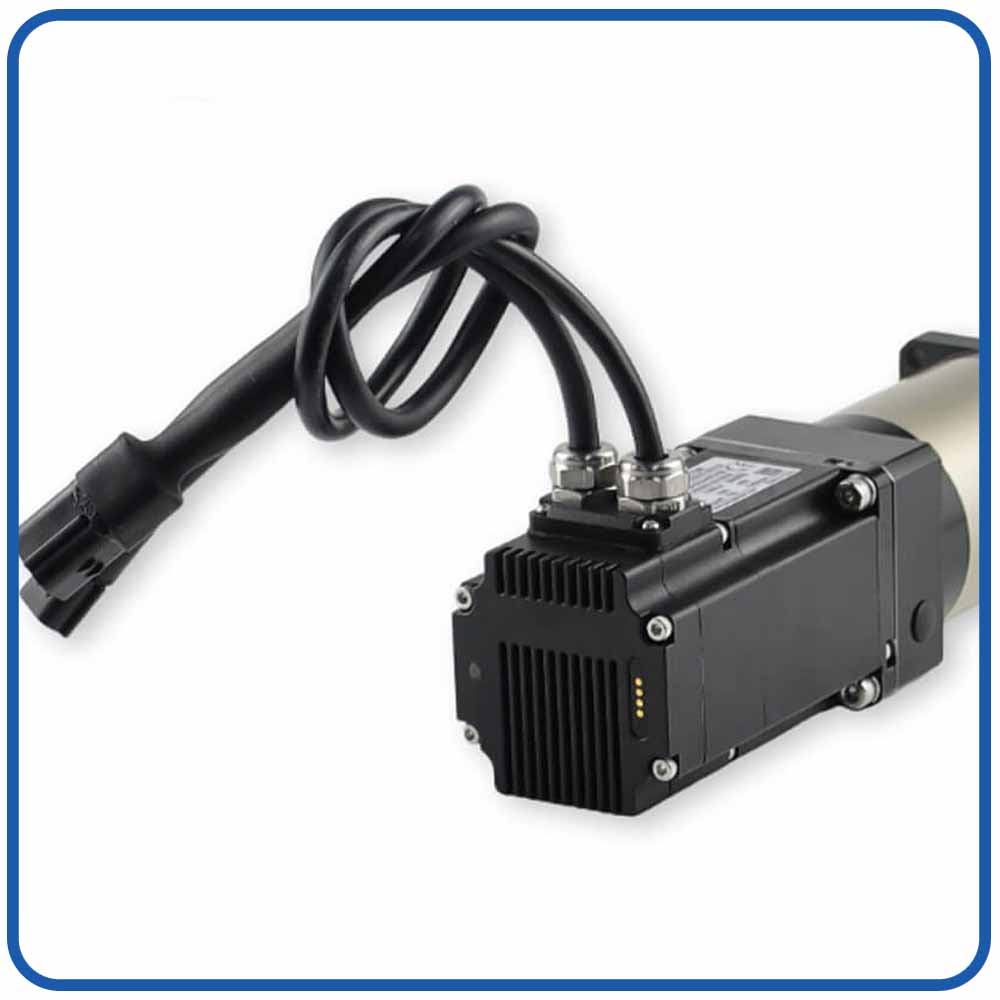 |  |
| Linear Motion | Ball Screw | Brake | IP-Level | More Products |
Besfoc Integrated servo Motor Shaft Customized Service
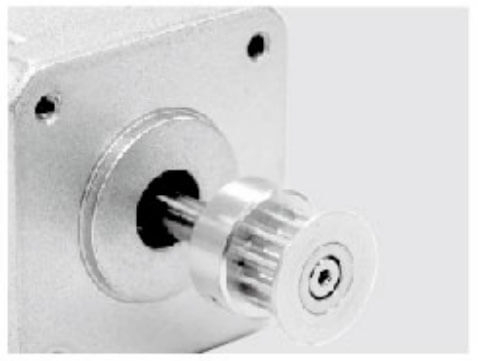 | 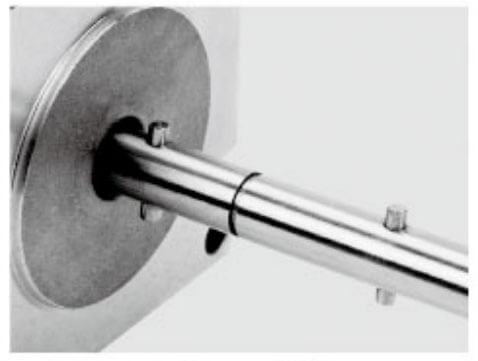 | 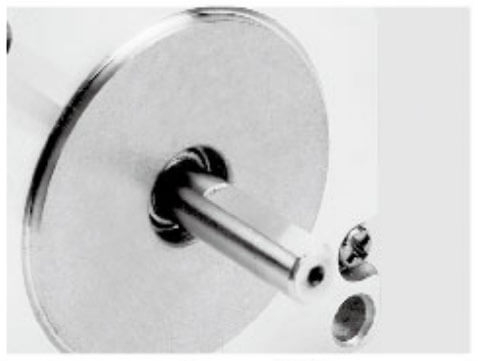 | 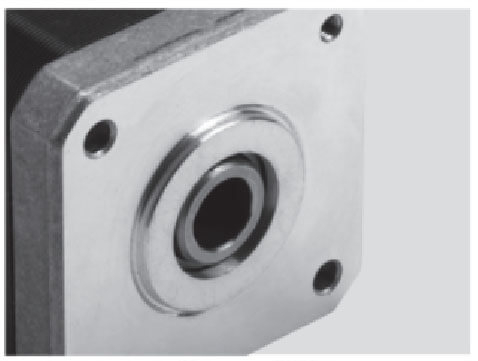 | 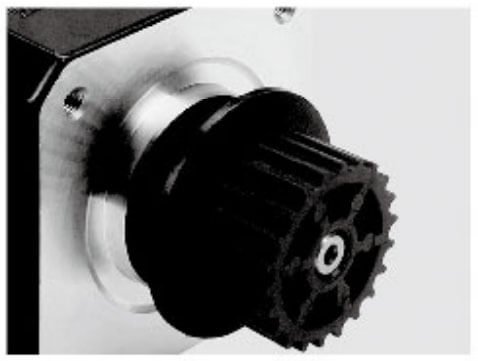 | 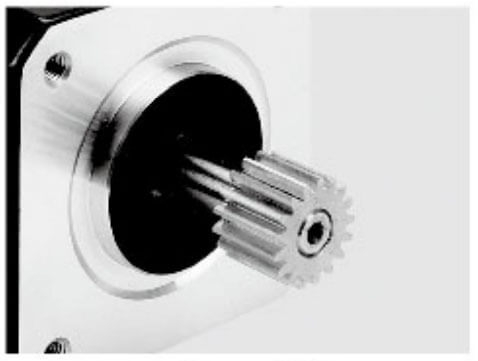 |
| Aluminum Pulley | Shaft Pin | Single D Shaft | Hollow Shaft | Plastic Pulley | Gear |
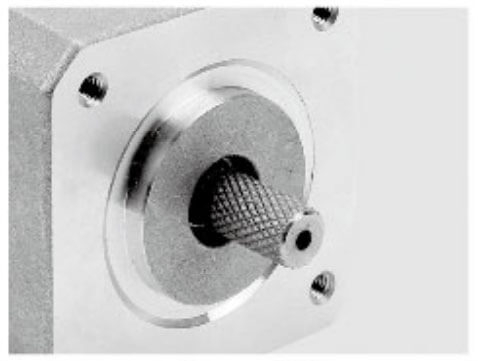 | 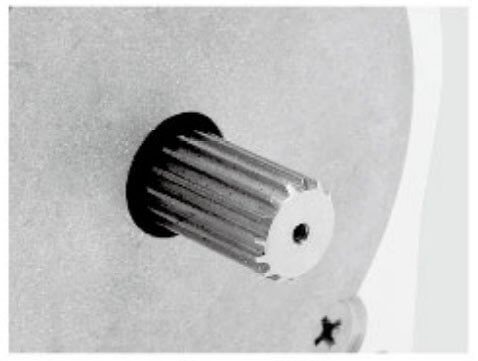 | 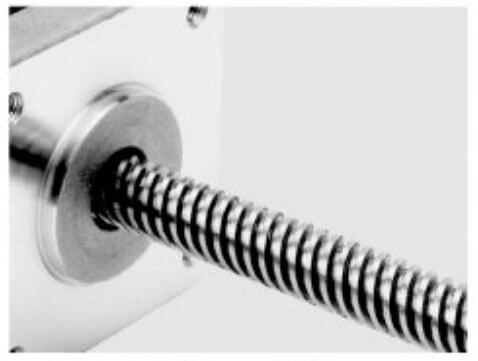 | 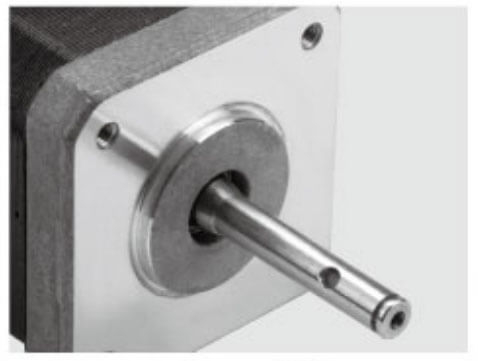 | 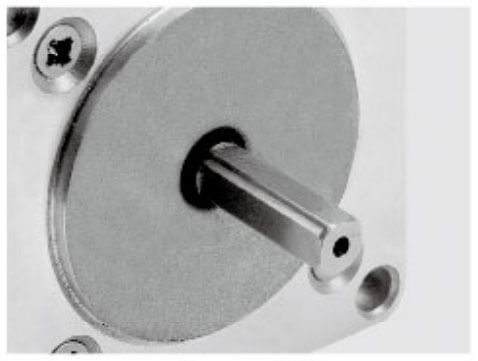 | 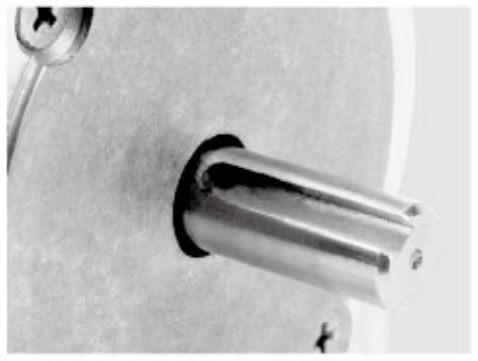 |
| Knurling | Hobbing Shaft | Screw Shaft | Hollow Shaft | Double D Shaft | Keyway |
Compact Design Improves Machine Tending Robot Efficiency
One of the most significant benefits of integrated servo motors is their compact and lightweight design. Machine tending robots often operate in space-constrained environments, especially around CNC machines, lathes, and molding equipment.
Integrated servo motors help optimize robot design by:
Reducing cabinet space requirements
Eliminating external servo drives
Minimizing cable routing complexity
Lowering system weight
A smaller footprint allows robot manufacturers to:
Design more agile robotic arms
Increase payload efficiency
Improve dynamic motion performance
This compact architecture directly translates into faster machine tending operations and higher production throughput.
High Precision Motion Control Enhances Productivity
Precision is critical in machine tending applications. Robots must accurately load and unload parts, position components, and handle delicate materials without errors.
Integrated servo motors provide:
High-resolution encoder feedback
Closed-loop motion control
Advanced positioning accuracy
Repeatability for consistent performance
These features enable:
With improved precision, machine tending robots can operate faster without sacrificing accuracy, significantly increasing overall efficiency.
Reduced Wiring Simplifies Installation and Maintenance
Traditional servo systems require:
External servo drives
Long motor cables
Control cabinet wiring
Additional connectors
Integrated servo motors eliminate these complexities by combining all components into one unit. This results in:
Reduced wiring by up to 70%
Faster installation time
Lower risk of wiring errors
Improved system reliability
Simplified wiring also reduces:
For machine tending robots operating in 24/7 industrial environments, reduced downtime directly improves operational efficiency and productivity.
Faster Response Time Increases Machine Utilization
Integrated servo motors significantly improve machine tending robot efficiency by delivering rapid response, precise acceleration, and minimal latency. Faster motion execution ensures that production equipment spends more time machining and less time waiting, directly boosting utilization rates.
Real-Time Motion Response Improves Cycle Time
Integrated servo motors combine drive, controller, and feedback in one compact unit. This architecture reduces signal delay and enables:
Immediate command execution
Faster acceleration and deceleration
Smooth trajectory transitions
Reduced settling time
These improvements shorten each robot movement, leading to faster loading and unloading cycles.
Reduced Idle Time Between Operations
Machine tending robots must synchronize perfectly with CNC machines, presses, and molding systems. Integrated servo motors enable:
As a result, machines experience minimal idle gaps, increasing overall production throughput.
Performance Comparison: Traditional vs. Integrated Servo Motors
| Feature | Traditional Servo System | Integrated Servo Motor |
| Signal Response Time | Longer due to external wiring | Ultra-fast internal communication |
| Acceleration Capability | Moderate | High dynamic acceleration |
| Position Settling Time | Slower | Faster stabilization |
| Cycle Time | Longer | Shorter |
| Machine Idle Time | Higher | Reduced |
| Utilization Rate | Lower | Significantly higher |
High-Speed Communication Enhances Coordination
Integrated servo motors support real-time industrial protocols, including:
EtherCAT
CANopen
Modbus
Ethernet/IP
These communication options allow:
Instant robot-to-machine synchronization
Faster command updates
Improved multi-axis coordination
Real-time motion adjustments
This results in continuous machine operation and improved efficiency.
Impact on Machine Tending Productivity
Faster response time delivers measurable benefits:
Increased parts per hour
Reduced cycle time per operation
Improved machine utilization rate
Lower production bottlenecks
Higher overall equipment effectiveness (OEE)
Integrated servo motors ensure that machine tending robots operate at maximum speed without compromising precision, enabling manufacturers to achieve higher throughput and optimized production performance.
Energy Efficiency Reduces Operating Costs
Energy consumption is a major consideration in automated manufacturing systems.Integrated servo motors are designed for high energy efficiency, featuring:
Optimized motor control algorithms
Efficient power electronics
Reduced power loss
Intelligent motion optimization
Benefits include:
Energy-efficient machine tending robots also contribute to sustainable manufacturing practices, helping companies meet environmental goals.
Enhanced Reliability for Continuous Operation
Machine tending robots often operate in harsh industrial environments, including:
Metal chips
Coolant exposure
Dust
Vibration
Integrated servo motors are designed with:
These features improve:
Reliable motion control systems ensure consistent production without unexpected interruptions.
Flexible Communication for Smart Factory Integration
Modern machine tending robots must integrate seamlessly with Industry 4.0 systems. Integrated servo motors support various communication protocols, including:
EtherCAT
CANopen
Modbus
Ethernet/IP
PROFINET
These communication options enable:
With intelligent connectivity, manufacturers can optimize robot performance and improve production efficiency.
Customization Options for Machine Tending Applications
Every machine tending robot has unique requirements. Integrated servo motor manufacturers provide customization options such as:
Custom torque and speed ranges
Integrated brake options
Hollow shaft designs
Custom mounting configurations
Extended cable options
Special environmental protection
Customized solutions help robot manufacturers:
Improve system integration
Reduce development time
Optimize robot performance
Meet specific application requirements
This flexibility ensures maximum efficiency in machine tending operations.
Reduced Total Cost of Ownership
Integrated servo motors help reduce overall system costs by:
These advantages contribute to:
Machine tending robots equipped with integrated servo motors deliver superior economic benefits for manufacturers.
Applications of Integrated Servo Motors in Machine Tending Robots
Integrated servo motors are widely used in machine tending robots across various manufacturing environments. Their compact design, high precision, fast response, and simplified wiring make them ideal for automated loading, unloading, and part handling operations. By improving motion control and reducing system complexity, integrated servo motors significantly enhance machine tending efficiency and productivity.
CNC Machine Tending Automation
CNC machines require precise and repeatable loading and unloading to maintain continuous production. Integrated servo motors enable machine tending robots to operate with high positioning accuracy and fast cycle times.
Key Benefits for CNC Machine Tending
High-precision part positioning
Faster loading and unloading cycles
Reduced machine idle time
Improved machining consistency
Compact robot arm design
Typical CNC Tending Tasks
Loading raw materials into CNC machines
Unloading finished parts
Part repositioning between operations
Multi-machine tending systems
Integrated servo motors help CNC machine tending robots achieve maximum utilization and consistent production output.
Injection Molding Machine Tending
Injection molding environments demand fast, reliable, and repeatable motion. Integrated servo motors provide rapid acceleration and smooth motion control, making them ideal for molding machine tending robots.
Advantages in Injection Molding Applications
Fast pick-and-place operations
Reduced cycle time
Improved part handling precision
Stable high-speed motion
Lower maintenance requirements
Common Applications
Removing molded plastic parts
Insert loading automation
Part stacking and sorting
Multi-cavity mold handling
Integrated servo motors help reduce production cycle time and increase molding machine productivity.
Stamping and Press Machine Tending
Stamping and press machines operate at high speed and high force, requiring robust and reliable motion control. Integrated servo motors deliver precise positioning and fast response, ensuring safe and efficient automation.
Benefits for Stamping Robot Applications
High-speed part transfer
Accurate placement for stamping operations
Reduced downtime between cycles
Improved operator safety
Durable performance in harsh environments
Typical Stamping Robot Tasks
Loading metal sheets
Unloading stamped components
Part orientation and transfer
Multi-station press tending
Integrated servo motors improve cycle time efficiency and operational reliability in stamping applications.
Grinding and Polishing Machine Tending
Grinding and polishing operations require smooth motion and precise control. Integrated servo motors ensure consistent movement and accurate positioning, improving finished product quality.
Key Advantages
Typical Applications
These features allow machine tending robots to achieve high-quality surface finishing with improved efficiency.
Assembly Line Machine Tending
Integrated servo motors are widely used in automated assembly line tending robots. Their compact design and flexible motion control support fast and precise component handling.
Benefits in Assembly Automation
High-speed pick-and-place operations
Accurate component placement
Flexible multi-axis motion
Reduced wiring complexity
Compact robot integration
Common Assembly Applications
Integrated servo motors improve assembly speed and accuracy, enabling efficient automated production lines.
Lathe and Turning Machine Tending
Turning and lathe machines require precise loading and unloading to maintain productivity. Integrated servo motors ensure accurate and fast part handling.
Advantages
Typical Tasks
These capabilities improve lathe automation efficiency and throughput.
Multi-Machine Tending Robots
Integrated servo motors enable robots to tend multiple machines simultaneously. This increases productivity while reducing labor costs.
Benefits
Applications
Integrated servo motors help manufacturers maximize automation flexibility and machine utilization.
Application Benefits Summary
| Application | Key Benefit | Result |
| CNC Machine Tending | High precision motion | Increased productivity |
| Injection Molding | Fast cycle time | Reduced production time |
| Stamping & Press | High-speed handling | Improved throughput |
| Grinding & Polishing | Smooth motion control | Better surface quality |
| Assembly Line | Accurate placement | Improved efficiency |
| Lathe & Turning | Fast loading/unloading | Reduced downtime |
| Multi-Machine Tending | Flexible automation | Higher utilization |
Why Integrated Servo Motors Are Ideal for Machine Tending Robots
Integrated servo motors provide:
Compact all-in-one design
High-speed motion control
Precise positioning accuracy
Simplified wiring
Reduced maintenance
Flexible customization
These features make integrated servo motors a core component in modern machine tending robot automation, helping manufacturers achieve higher efficiency, lower costs, and improved productivity.
Future Trends in Integrated Servo Motors for Machine Tending Robots
As manufacturing automation continues to evolve, machine tending robots are becoming smarter, faster, and more adaptable. Integrated servo motors are at the center of this transformation, enabling advanced motion control, improved efficiency, and seamless smart factory integration. Emerging technologies and design innovations are shaping the next generation of integrated servo motors for machine tending applications.
Higher Power Density in Compact Designs
Future integrated servo motors will deliver higher torque and speed in smaller footprints. This trend supports the growing demand for compact machine tending robots operating in limited workspace environments.
Key Advancements
Smaller motor size with higher output
Lightweight construction
Improved thermal management
High-efficiency magnetic materials
Benefits for Machine Tending Robots
Higher power density allows machine tending robots to achieve greater performance without increasing system size.
Smart Integrated Servo Motors with Built-In Intelligence
Future integrated servo motors will feature embedded intelligence and advanced control capabilities. These smart motors will include:
Intelligent Features
Built-in motion control algorithms
Real-time performance monitoring
Self-tuning capabilities
Adaptive motion optimization
Integrated safety functions
These smart features allow machine tending robots to optimize motion automatically, reducing setup time and improving productivity.
Advanced Communication for Industry 4.0 Integration
Machine tending robots are increasingly part of smart factory ecosystems. Integrated servo motors will support faster and more advanced communication protocols.
Emerging Communication Technologies
EtherCAT high-speed networking
TSN (Time-Sensitive Networking)
PROFINET IRT
Industrial Ethernet advancements
Advantages
These capabilities enable machine tending robots to operate as fully connected automation systems.
AI-Driven Motion Optimization
Artificial intelligence is becoming a major trend in motion control. Future integrated servo motors will include AI-based motion optimization.
AI Capabilities
Predictive motion planning
Automatic cycle time optimization
Load variation compensation
Intelligent path optimization
Impact on Machine Tending Robots
AI-powered integrated servo motors will significantly improve machine tending robot efficiency and performance.
Enhanced Safety Features for Collaborative Automation
As collaborative robots (cobots) become more common in machine tending, Integrated servo motors will include advanced safety features.
Safety Innovations
Benefits
These features enable safer and more flexible machine tending automation.
Energy-Efficient and Sustainable Designs
Future integrated servo motors will focus on energy efficiency and sustainability. Manufacturers are developing solutions to reduce power consumption and environmental impact.
Energy Efficiency Improvements
High-efficiency motor designs
Intelligent power management
Regenerative braking technology
Reduced heat generation
Benefits for Machine Tending Robots
Energy-efficient integrated servo motors support green manufacturing initiatives.
Modular and Scalable Integrated Servo Systems
Future machine tending robots will require flexible and scalable automation solutions. Integrated servo motors will offer modular designs to support different applications.
Modular Capabilities
Multiple motor sizes
Custom torque configurations
Optional integrated brakes
Flexible mounting options
Advantages
Modular integrated servo motors allow machine tending robots to adapt to changing production requirements.
Improved Environmental Durability
Machine tending robots often operate in harsh industrial environments. Future integrated servo motors will offer enhanced durability and protection.
Durability Improvements
Higher IP protection ratings
Improved sealing technology
Enhanced vibration resistance
Wide temperature operation
Applications
Metal machining environments
Dust-heavy production lines
Coolant exposure areas
High-speed manufacturing cells
These improvements ensure long-term reliability and reduced downtime.
Future Trends Overview
| Trend | Key Feature | Benefit |
| Higher Power Density | Compact high-performance motors | Smaller robot designs |
| Smart Motor Intelligence | Built-in control and monitoring | Improved efficiency |
| Industry 4.0 Connectivity | Advanced communication protocols | Smart factory integration |
| AI Motion Optimization | Intelligent motion control | Faster cycle times |
| Advanced Safety Features | Built-in safety functions | Safer automation |
| Energy Efficiency | Low power consumption | Reduced costs |
| Modular Design | Flexible configurations | Easy customization |
| Enhanced Durability | Industrial-grade protection | Long-term reliability |
The Future of Machine Tending Robots with Integrated Servo Motors
Integrated servo motors will continue to drive innovation in machine tending robot automation. With advancements in AI, connectivity, compact design, and energy efficiency, these motors will enable:
Faster production cycles
Higher machine utilization
Reduced operational costs
Smarter automation systems
Improved manufacturing flexibility
As automation evolves, integrated servo motors will become essential components for next-generation machine tending robots, helping manufacturers achieve maximum efficiency, reliability, and productivity.
Why Choose Our Integrated Servo Motors for Machine Tending Robots
We provide high-performance integrated servo motor solutions designed specifically for machine tending automation:
Compact all-in-one design
High precision motion control
Multiple communication options
Customization capabilities
Industrial-grade reliability
Fast technical support
Our integrated servo motors help manufacturers:
We work closely with OEMs and automation integrators to deliver optimized motion control solutions for machine tending robots.
Conclusion: Integrated Servo Motors Drive Machine Tending Robot Efficiency
Integrated servo motors are transforming machine tending automation by delivering compact design, high precision, faster response, and improved reliability. These advantages significantly improve machine tending robot efficiency, increase productivity, and reduce operational costs.
As manufacturers continue adopting automation, integrated servo motors will play an increasingly important role in enhancing machine tending robot performance and enabling smart factory solutions.
Choosing the right integrated servo motor solution ensures maximum efficiency, reliability, and long-term value for machine tending robot applications.

 English
 العربية
 Français
 Русский
 Español
 Português
 Deutsch
 italiano
 日本語
日本語 한국어
한국어 Nederlands
 Tiếng Việt
 ไทย
ไทย Polski
 Türkçe
 ພາສາລາວ
 ភាសាខ្មែរ
 Bahasa Melayu
 ဗမာစာ
ဗမာစာ Filipino
 Bahasa Indonesia
 magyar
 Română
 Čeština
 Монгол
 қазақ
қазақ Српски
 हिन्दी
 فارسی
فارسی Slovenčina
 Slovenščina
 Norsk
Norsk Svenska
 українська
 Ελληνικά
 Suomi
Suomi Հայերեն
 עברית
עברית Latine
 Dansk
Dansk Shqip
Shqip বাংলা
বাংলা Hrvatski
 Afrikaans
 Gaeilge
 Eesti keel
 Oʻzbekcha
 latviešu
 Azərbaycan dili
 Български
 Català