The Evolution of Welding Automation and Motion Control
In today's highly competitive manufacturing landscape, welding robots have become essential for achieving consistent quality, higher productivity, and reduced operational costs. As automation continues to advance, the demand for precise, compact, and reliable motion control systems has grown significantly. We recognize that traditional motor-drive architectures often struggle to meet these demands due to complex wiring, space limitations, and maintenance challenges.
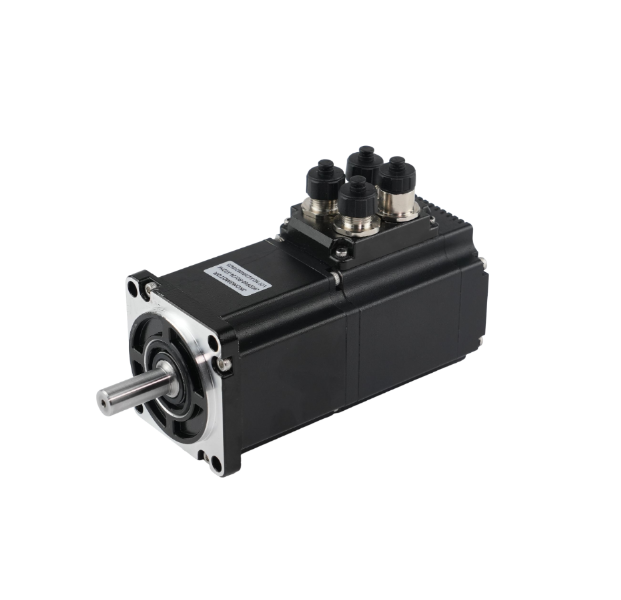
This is where integrated servo motors emerge as a superior solution. By combining the servo motor, drive, encoder, and controller into a single compact unit, these advanced systems streamline robotic design while delivering unmatched performance. For modern welding robots that require precision, speed, and durability, integrated servo motors provide a clear technological advantage.
Compact Design for Space-Constrained Welding Robots
One of the most critical requirements in robotic welding systems is space optimization. Welding robots often operate in confined environments where every millimeter matters. Traditional servo systems require separate drives, controllers, and extensive cabling, leading to bulky installations.
With integrated servo motors, we eliminate these inefficiencies by consolidating all key components into a single housing. This results in:
Reduced installation footprint
Simplified mechanical design
Improved flexibility in robot arm architecture
The compact structure allows manufacturers to design lighter and more agile robotic arms, improving overall welding efficiency and enabling operation in tighter workspaces.
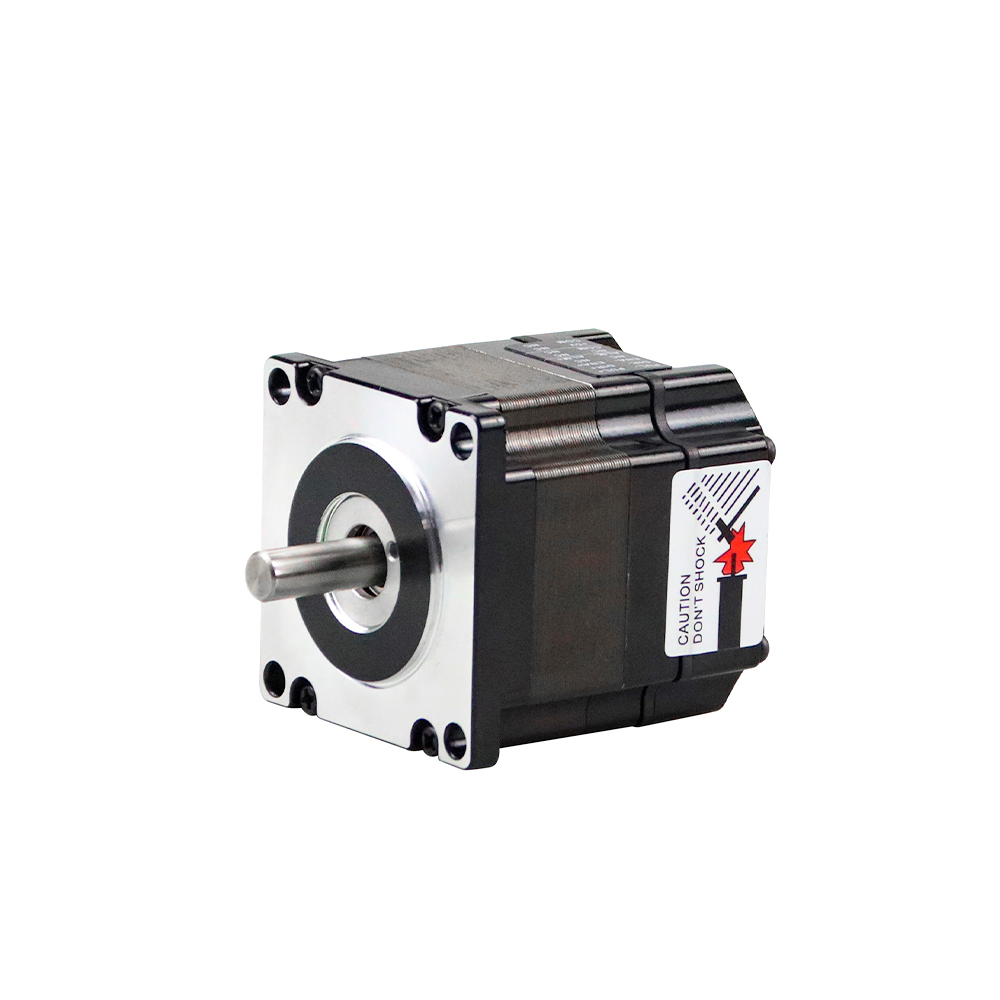
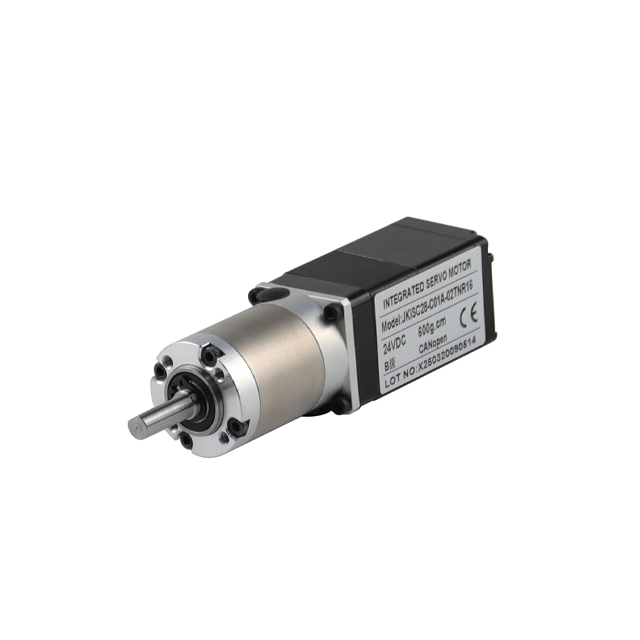
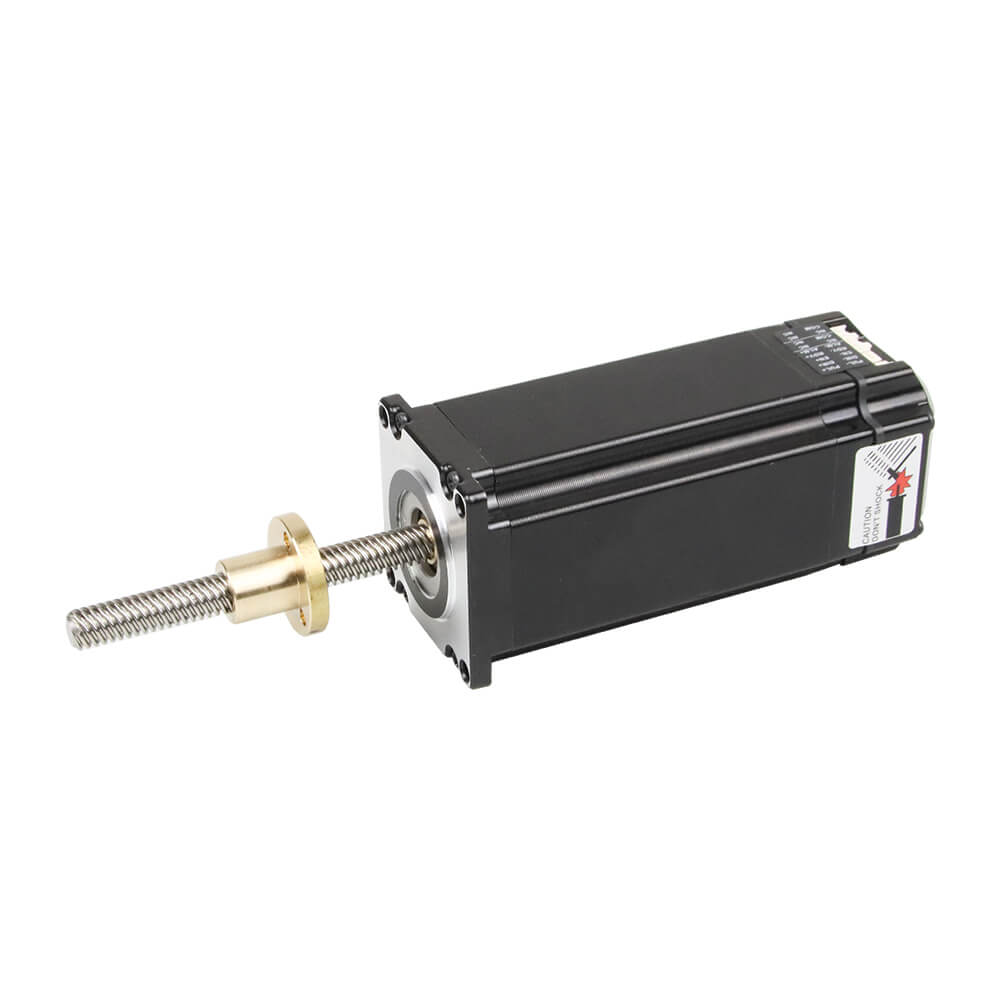
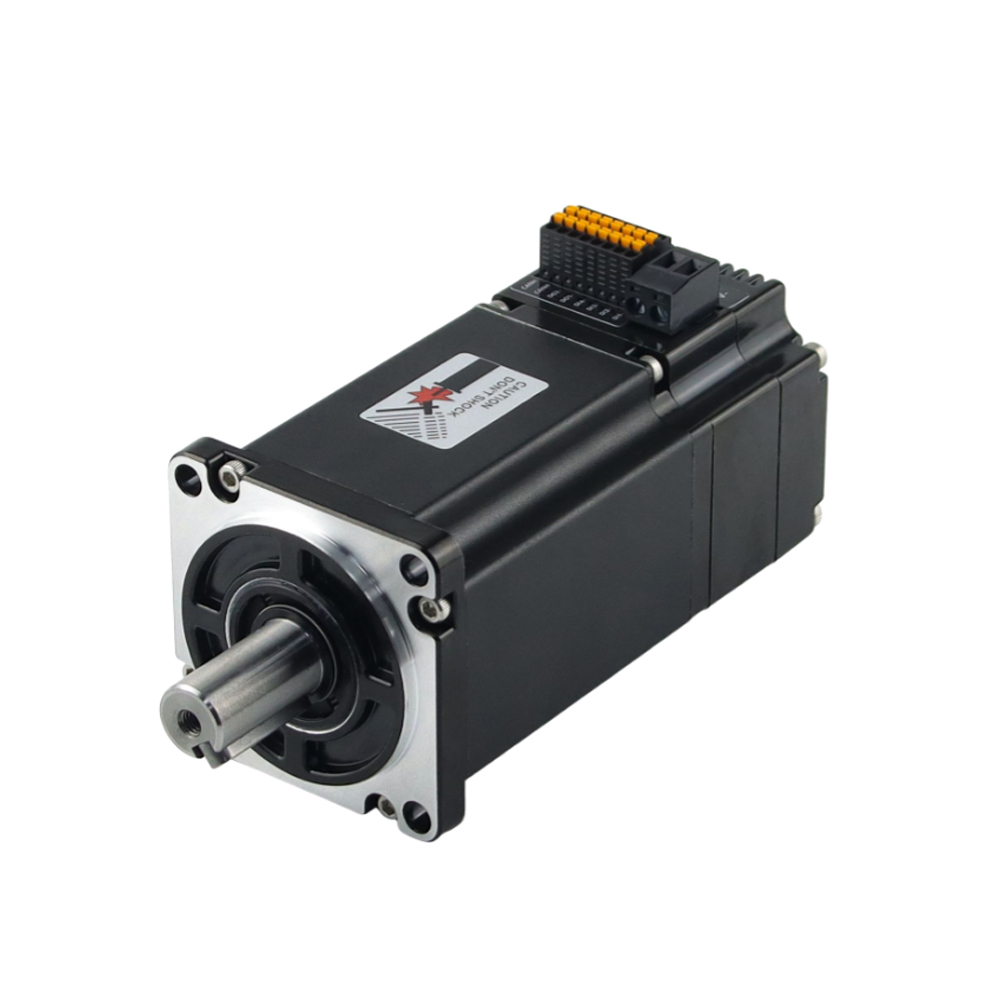
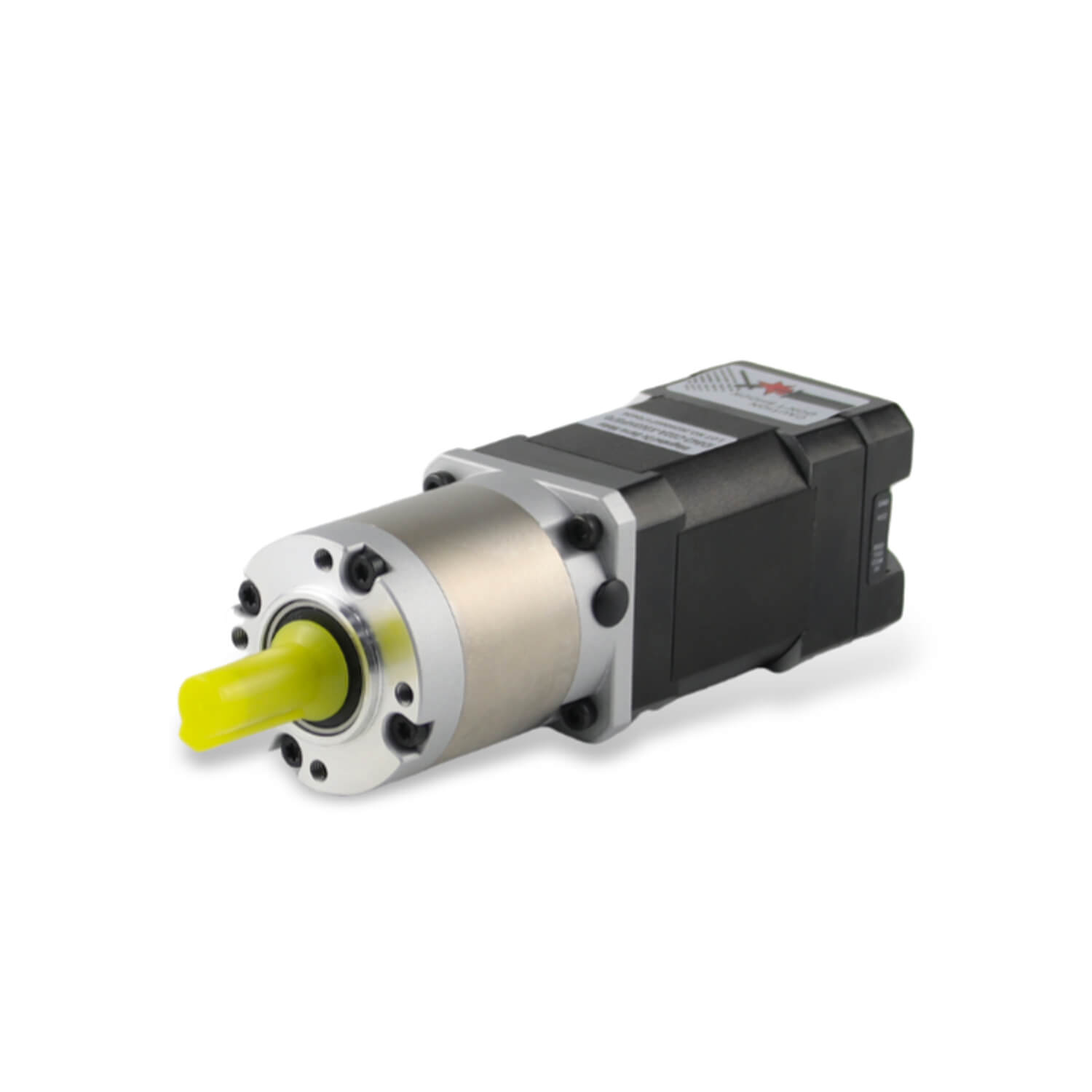
Besfoc Integrated Servo Motor System Customized Service
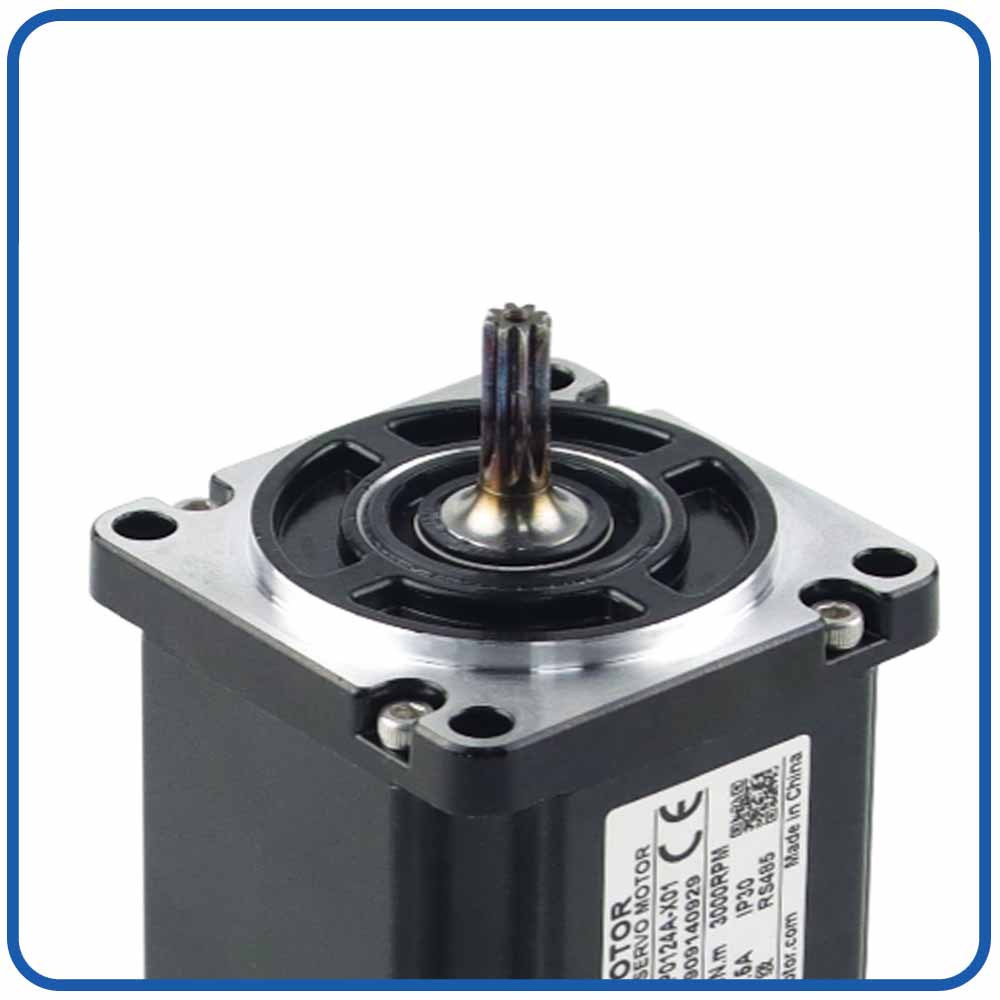 | 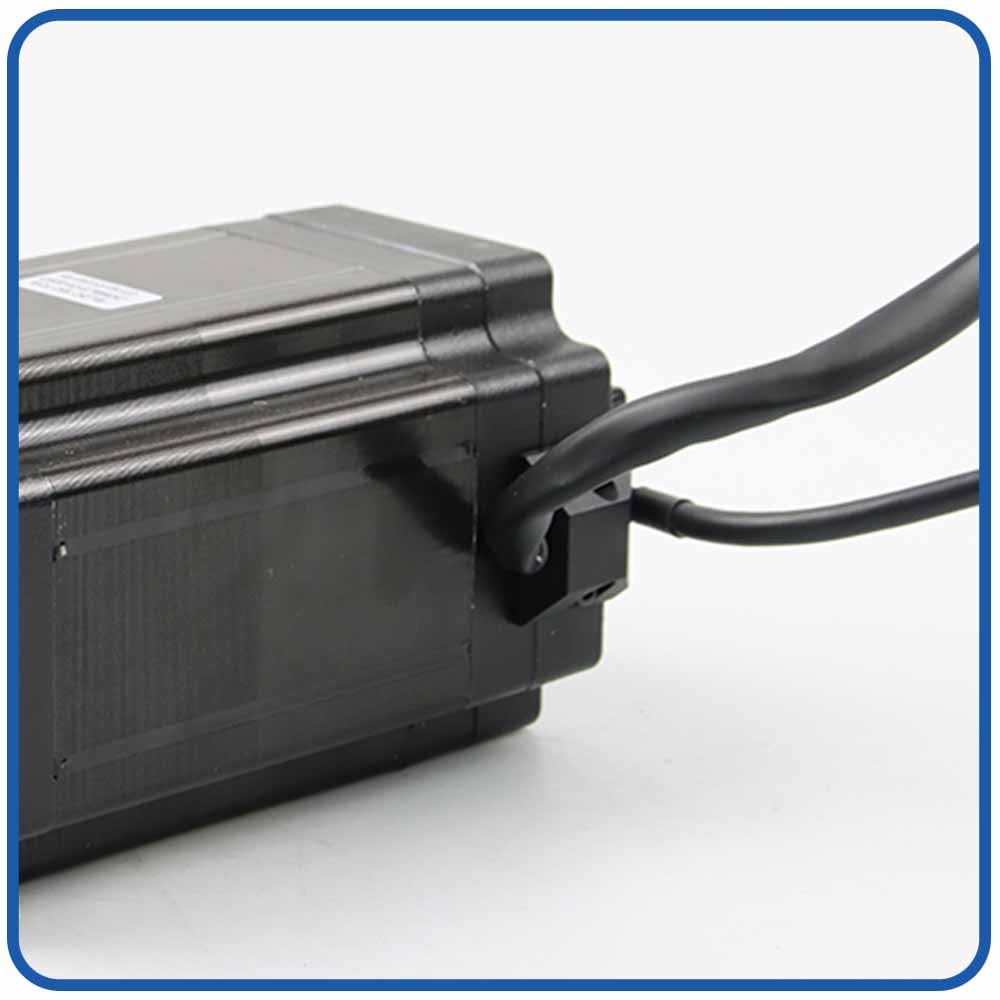 | 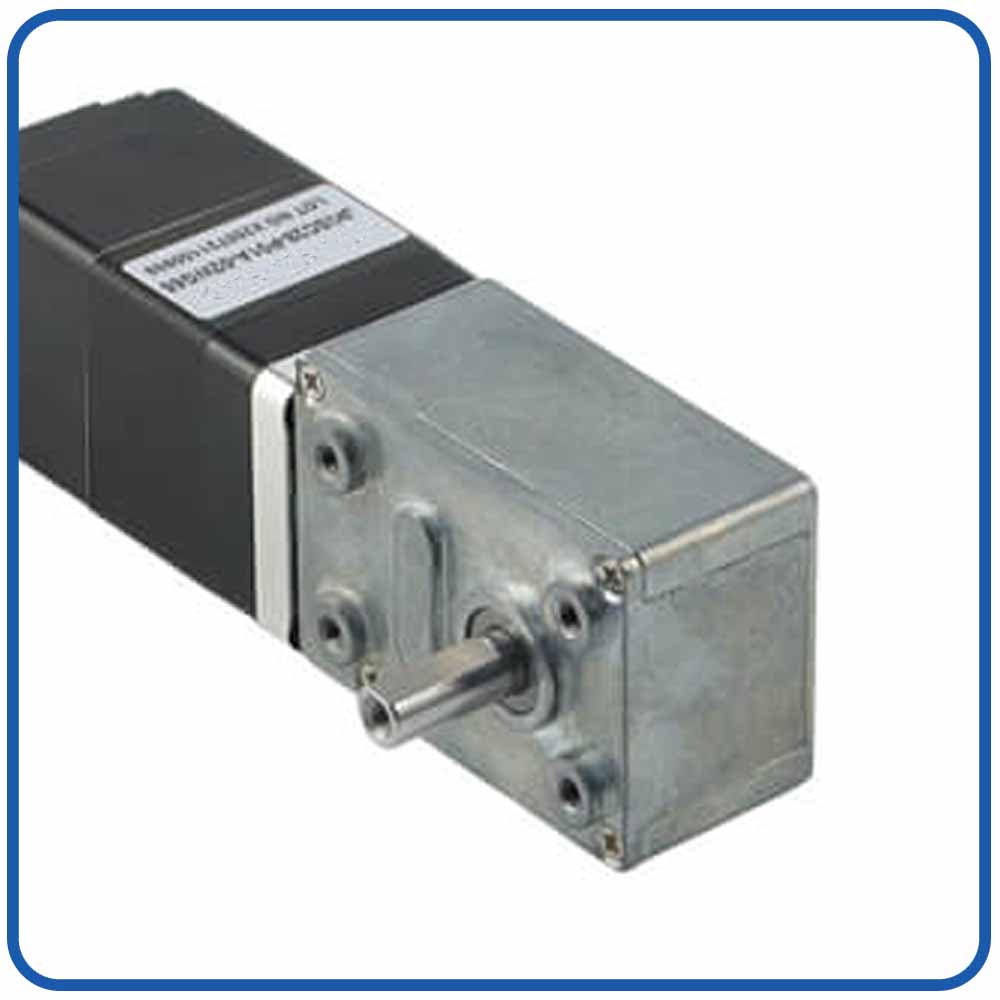 | 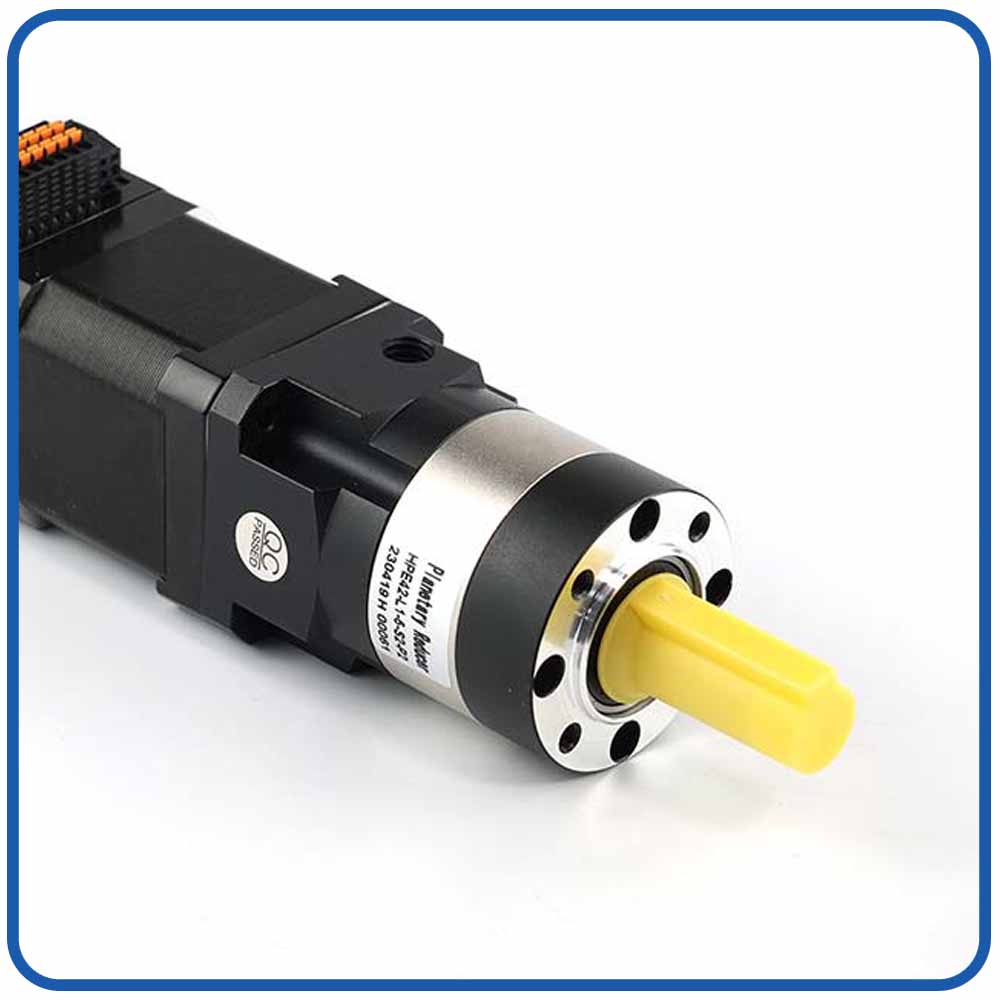 | 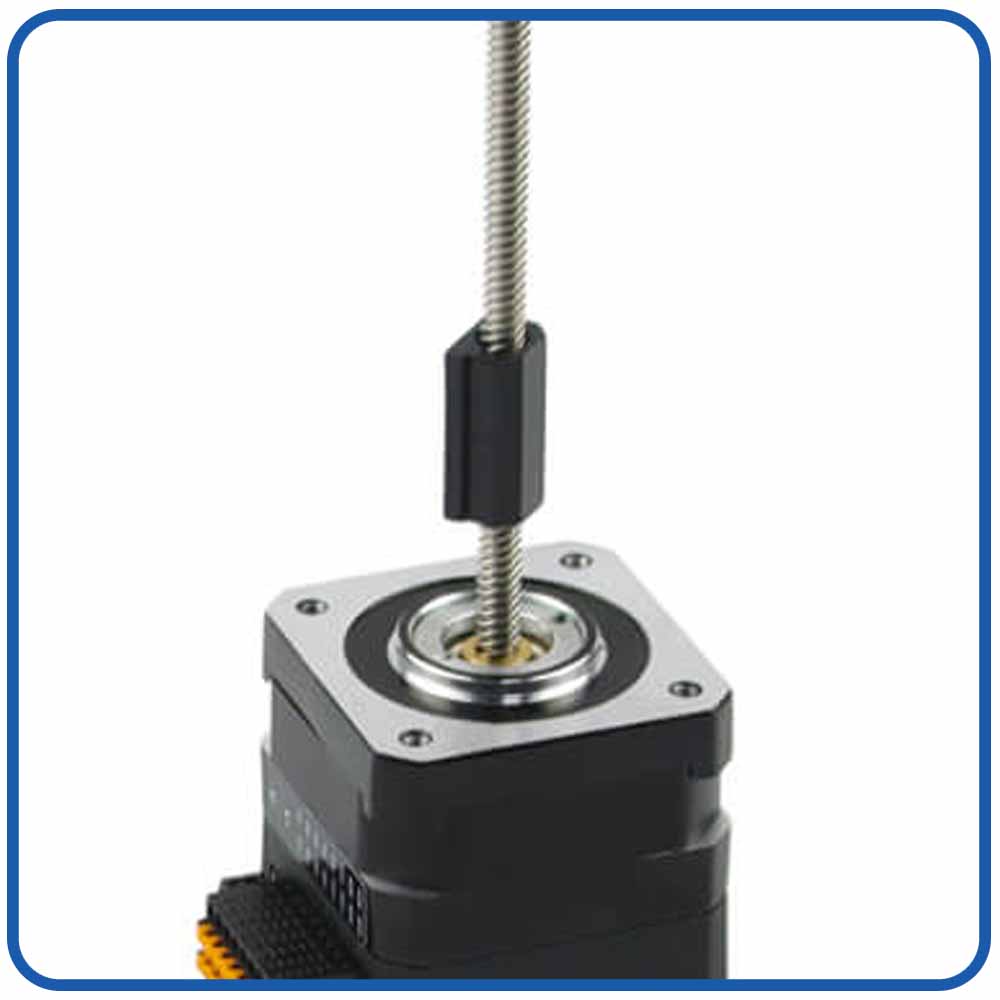 | BesFoc Customized Motors:
According to the application needs, provide a variety of customized motor solutions, common customization includes:
-
Sealed motor, suitable for dusty environment, dirty environment with small temperature change, etc
-
Special shaft, such as size, shape, etc
-
Belt wheels, gears and couplings etc
-
Encoders and other feedback components
-
Encoders and other feedback components. Lead length and customer use termination plug-in |
| Shaft | Terminal housing | Worm Gearbox | Planetary Gearbox | Lead Screw |
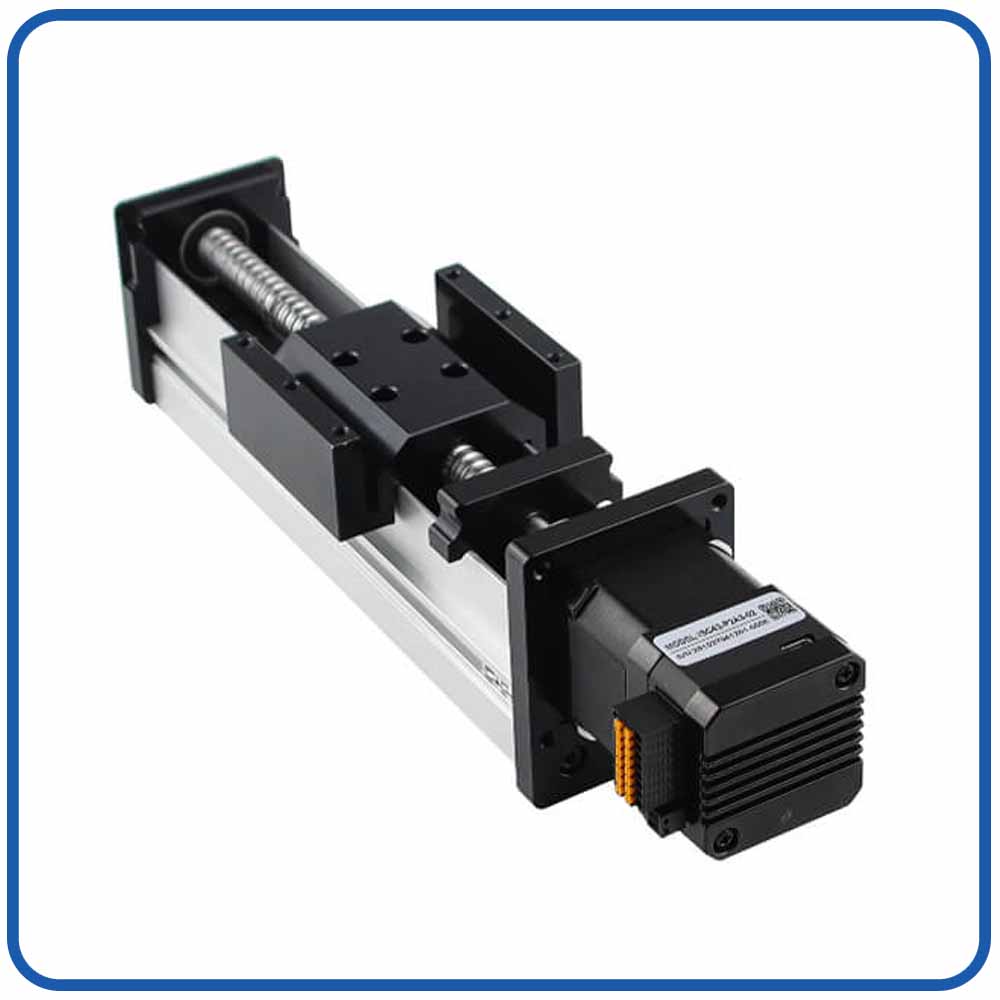 | 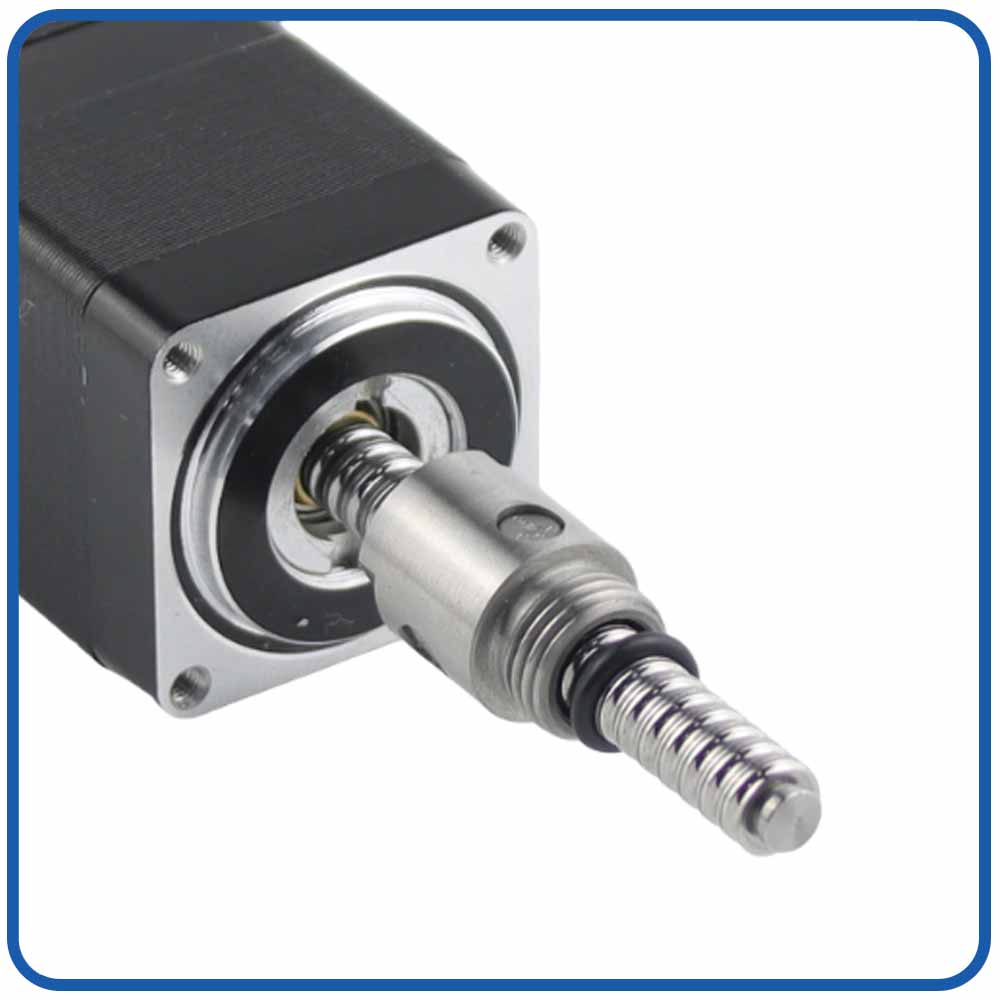 | 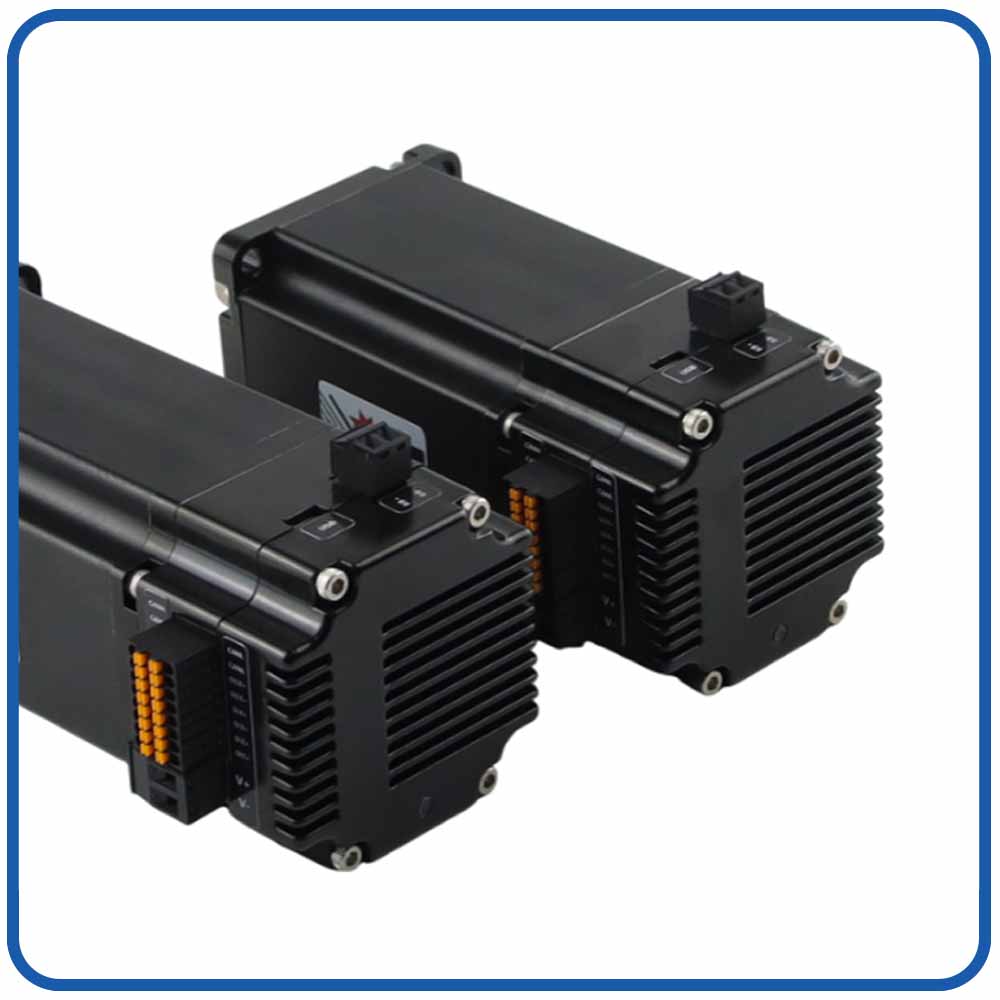 | 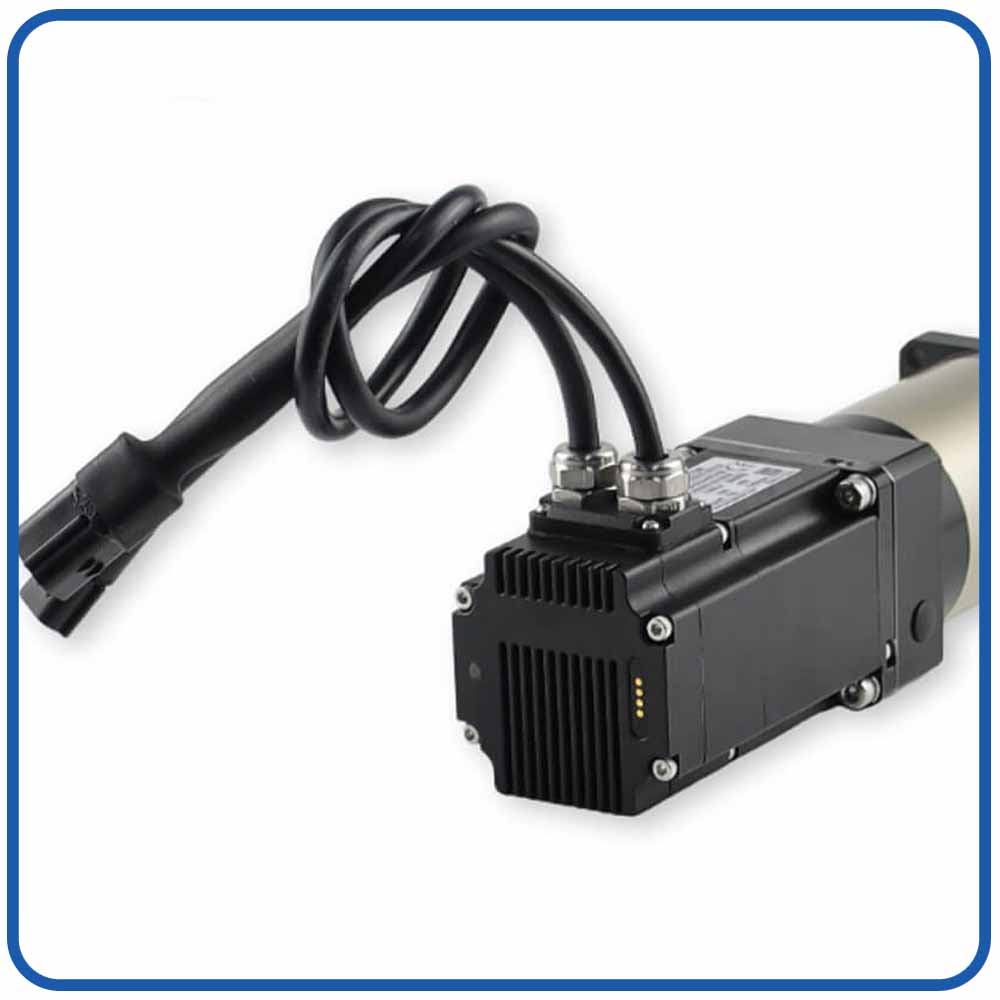 |  |
| Linear Motion | Ball Screw | Brake | IP-Level | More Products |
Besfoc Integrated servo Motor Shaft Customized Service
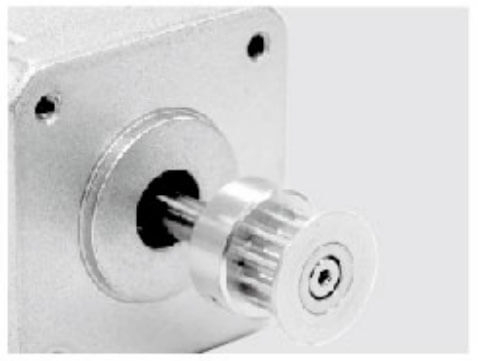 | 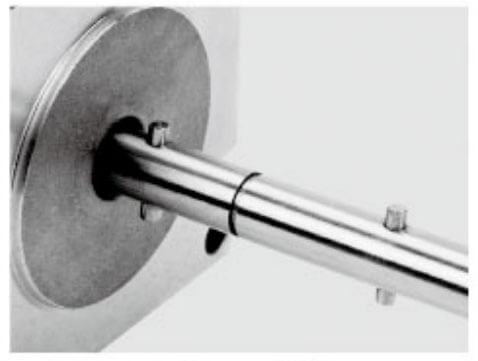 | 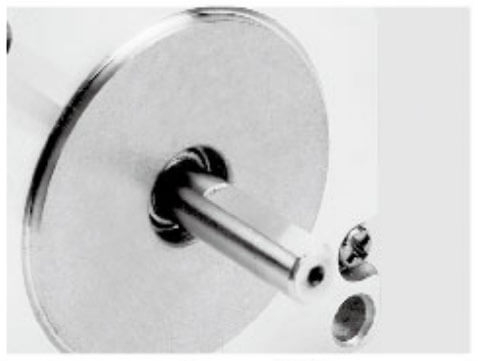 | 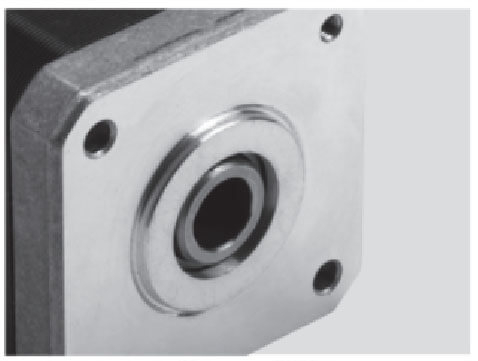 | 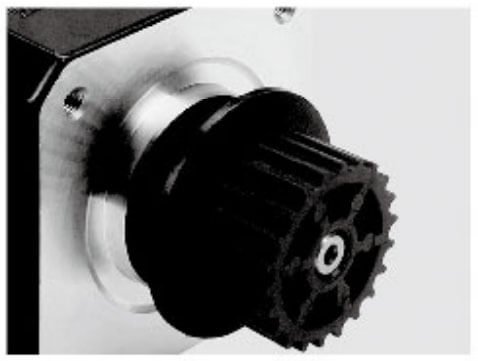 | 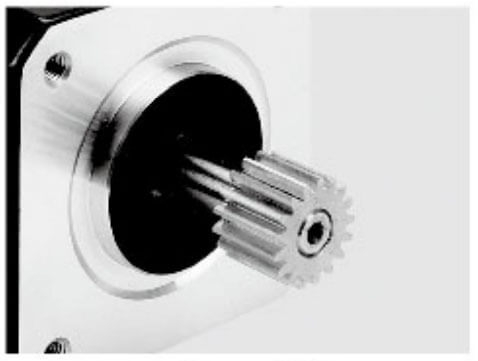 |
| Aluminum Pulley | Shaft Pin | Single D Shaft | Hollow Shaft | Plastic Pulley | Gear |
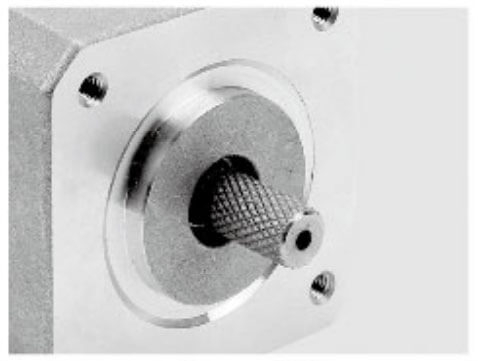 | 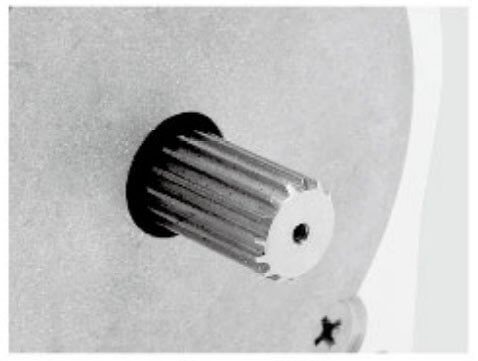 | 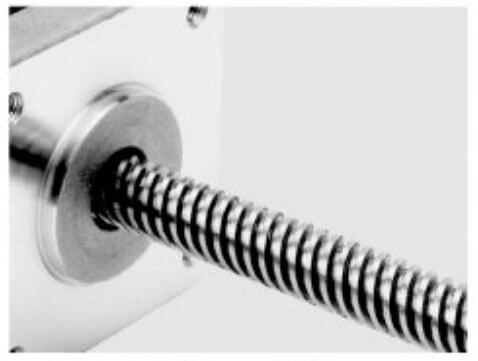 | 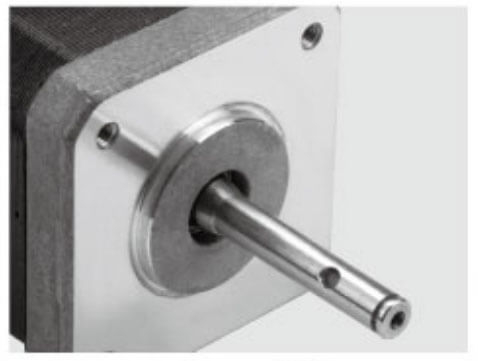 | 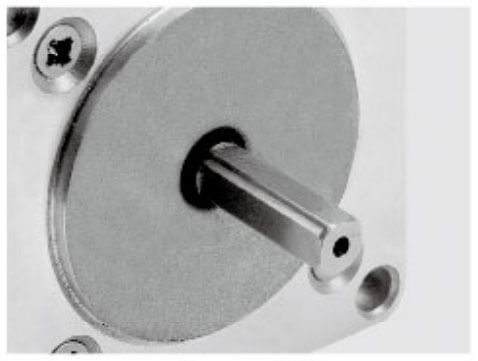 | 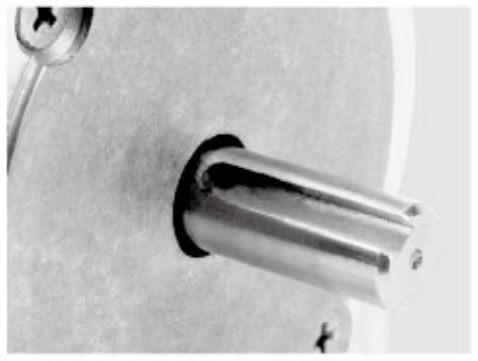 |
| Knurling | Hobbing Shaft | Screw Shaft | Hollow Shaft | Double D Shaft | Keyway |
Enhanced Precision for High-Quality Welds
Achieving consistent, high-quality welds requires absolute control over motion accuracy, positioning repeatability, and trajectory stability. Integrated servo motors are engineered to deliver superior precision by combining advanced feedback systems and real-time control within a single compact unit.
High-Resolution Feedback for Accurate Positioning
Integrated servo motors utilize high-resolution encoders to continuously monitor position and speed. This enables:
Micron-level positioning accuracy
Real-time error correction
Stable arc control during welding processes
The result is uniform weld seams and minimized deviations, even in high-speed operations.
Closed-Loop Control for Motion Stability
Unlike open-loop systems, integrated servo motors operate with closed-loop control, ensuring that every movement is precisely executed and instantly corrected if deviations occur.
Key Benefits:
Elimination of step loss or drift
Consistent torque output under varying loads
Smooth acceleration and deceleration profiles
This level of control is critical for maintaining consistent weld penetration and bead appearance.
Reduced Signal Interference and Latency
By integrating the drive and controller directly with the motor, signal transmission distances are minimized. This leads to:
Such improvements are essential for multi-axis welding robots, where precise coordination determines overall weld quality.
Performance Comparison: Integrated vs Traditional Systems
| Feature | Integrated Servo Motor | Traditional Servo System |
| Position Accuracy | Ultra-high (micron-level) | Moderate to high |
| Response Time | Very fast (low latency) | Slower due to signal delays |
| Motion Stability | Excellent (closed-loop) | Variable |
| Wiring Complexity | Minimal | Complex |
| Interference Resistance | High | Moderate |
Consistent Weld Quality Across Applications
Integrated servo motors ensure reliable performance across various welding processes:
Spot Welding → Precise point positioning and repeatability
Arc Welding (MIG/TIG) → Stable arc path and smooth motion
Laser Welding → High-speed accuracy and fine control
This consistency reduces defects such as porosity, misalignment, and uneven weld beads, improving overall production quality.
Precision-Driven Productivity
Higher precision directly translates into:
Reduced rework and scrap rates
Improved production efficiency
Enhanced product reliability
By ensuring every weld meets strict quality standards, integrated servo motors play a critical role in optimizing both performance and cost-efficiency in modern welding automation.
Reduced Wiring Complexity and Faster Installation
Traditional servo systems often involve complex wiring networks connecting motors, drives, and controllers. This not only increases installation time but also raises the risk of wiring errors and system failures.
Integrated servo motors dramatically simplify this process by offering:
Plug-and-play connectivity
Minimal cabling requirements
Pre-configured internal components
We significantly reduce installation time and labor costs while improving system reliability. For large-scale production lines, this translates into faster deployment and reduced downtime, which are critical for maintaining productivity.
Improved Reliability in Harsh Welding Environments
Welding environments are inherently challenging, characterized by:
Integrated servo motors are designed with robust, sealed enclosures that protect internal components from these harsh conditions. By eliminating external wiring and reducing exposed connections, we enhance system durability and minimize potential failure points.
This leads to:
For manufacturers, this reliability ensures uninterrupted production and reduced operational risks.
Superior Dynamic Performance for Complex Welding Tasks
Modern welding robots must handle complex trajectories, rapid movements, and multi-axis coordination. Integrated servo motors excel in these scenarios due to their optimized internal communication and control architecture.
Key performance benefits include:
These capabilities enable welding robots to perform intricate weld patterns, high-speed spot welding, and continuous seam welding with exceptional efficiency. The result is improved throughput without compromising quality.
Energy Efficiency and Cost Optimization
In modern welding automation, energy efficiency and cost control are critical factors that directly impact profitability and sustainability. Integrated servo motors are designed to optimize both by combining intelligent control, efficient power usage, and simplified system architecture into a single solution.
High-Efficiency Power Utilization
Integrated servo motors operate with optimized electrical and mechanical efficiency, ensuring that maximum power is converted into usable motion.
Key Advantages:
Reduced energy loss through minimized electrical transmission
Optimized torque-to-power ratio for welding applications
Lower heat generation, reducing cooling requirements
This results in stable energy consumption even during high-duty welding cycles.
Intelligent Energy Management
With built-in drives and controllers, integrated servo motors enable real-time energy optimization based on load conditions.
Core Capabilities:
Dynamic power adjustment according to welding demands
Idle power reduction during non-operational periods
Regenerative braking to recover excess energy
These features significantly enhance overall system efficiency while reducing unnecessary power usage.
Reduced Total Cost of Ownership (TCO)
Beyond energy savings, integrated servo motors contribute to long-term cost reduction by simplifying the entire system.
Cost-Saving Factors:
Lower installation costs due to minimal wiring
Reduced hardware requirements (no separate drives or cabinets)
Less maintenance and fewer spare parts
This streamlined design leads to a more economical and scalable solution for welding robot manufacturers.
Comparison: Cost and Efficiency Benefits
| Aspect | Integrated Servo Motor | Traditional Servo System |
| Energy Efficiency | High (optimized usage) | Moderate |
| Heat Generation | Low | Higher |
| Installation Cost | Low | High |
| Maintenance Cost | Reduced | Higher |
| System Complexity | Simplified | Complex |
Lower Downtime, Higher Productivity
Integrated systems reduce potential failure points, which directly impacts operational costs.
Fewer connection failures due to reduced wiring
Faster troubleshooting with centralized diagnostics
Shorter downtime during maintenance
This ensures continuous production flow, maximizing return on investment.
Sustainability and Environmental Benefits
Energy-efficient systems are essential for meeting modern environmental and regulatory standards.
Integrated servo motors support sustainability by:
Reducing overall power consumption
Lowering carbon emissions in manufacturing
Improving energy utilization efficiency
These advantages align with global trends toward green manufacturing and smart factories.
Scalable Cost Optimization for OEMs
For OEMs and system integrators, integrated servo motors offer scalable economic benefits:
Easier system replication across production lines
Reduced engineering and assembly time
Faster time-to-market for welding robots
This makes them an ideal choice for companies aiming to optimize both performance and profitability.
Efficiency-Driven Competitive Advantage
By combining energy savings, reduced operational costs, and simplified system design, integrated servo motors deliver a strong competitive edge. Manufacturers can achieve higher productivity with lower expenses, ensuring long-term success in increasingly demanding industrial environments.
Seamless Integration with Advanced Control Systems
As Industry 4.0 continues to shape manufacturing, welding robots must integrate seamlessly with smart factory systems, IoT platforms, and advanced control networks.
Integrated servo motors support:
Fieldbus communication protocols (EtherCAT, CANopen, Modbus)
Real-time data exchange
Remote monitoring and diagnostics
This connectivity enables manufacturers to implement:
By leveraging these capabilities, we ensure that welding robots remain future-ready and adaptable to evolving production requirements.
Customization for Diverse Welding Applications
Different welding processes—such as MIG, TIG, laser welding, and spot welding—require specific motion control characteristics. Integrated servo motor solutions offer a high degree of customization to meet these diverse needs.
We provide options including:
Various torque and speed configurations
Custom encoder resolutions
Specialized housing for extreme environments
This flexibility allows OEMs and system integrators to develop tailored welding robot solutions that maximize performance across different industries and applications.
Reduced Maintenance and Simplified Troubleshooting
Maintenance efficiency is a critical factor in industrial operations. Traditional systems often require troubleshooting across multiple components, increasing downtime and complexity.
With integrated servo motors, we streamline maintenance by:
Technicians can quickly identify and resolve issues, minimizing production interruptions. This leads to higher equipment availability and improved operational efficiency.
Future-Proof Technology for Next-Generation Welding Robots
As manufacturing rapidly advances toward intelligent automation and smart factories, welding robots must evolve to meet increasing demands for flexibility, connectivity, and performance. Integrated servo motors provide a future-proof foundation by combining advanced control, scalable architecture, and seamless digital integration.
Built for Industry 4.0 Integration
Integrated servo motors are engineered to operate within fully connected industrial ecosystems, enabling real-time communication and data exchange.
Key Capabilities:
Support for industrial fieldbus protocols (EtherCAT, CANopen, Modbus)
Real-time data monitoring and feedback
Seamless integration with PLCs, HMIs, and MES systems
This connectivity ensures welding robots can be easily incorporated into smart production lines, improving coordination and efficiency.
Data-Driven Performance Optimization
With embedded sensors and intelligent control, integrated servo motors enable continuous data collection and analysis.
Benefits Include:
Predictive maintenance to prevent unexpected failures
Performance tracking for process optimization
Remote diagnostics and system updates
These capabilities allow manufacturers to move from reactive to proactive maintenance strategies, reducing downtime and increasing equipment lifespan.
Scalability for Evolving Production Needs
Modern production environments demand systems that can adapt quickly to changing requirements. Integrated servo motors offer high scalability, making them suitable for both current and future applications.
Scalable Features:
Modular configurations for different robot sizes
Flexible torque and speed ranges
Easy upgrades without major system redesign
This ensures that welding robots remain relevant and efficient as production demands evolve.
Enabling Collaborative and AI-Driven Robotics
The next generation of welding robots includes collaborative robots (cobots) and AI-powered systems. Integrated servo motors provide the precision and responsiveness required for these advanced applications.
Safe and precise motion control for human-robot collaboration
Adaptive movement based on sensor feedback
Compatibility with AI algorithms for path optimization
These features support the development of smarter, more autonomous welding solutions.
Compact Intelligence for Advanced Design
By integrating multiple components into a single unit, these motors deliver high functionality without increasing system complexity.
| Feature | Impact on Future Welding Robots |
| Integrated Control | Simplifies system architecture |
| Embedded Intelligence | Enables smart decision-making |
| Compact Design | Supports lightweight, agile robots |
| High Responsiveness | Improves precision in dynamic tasks |
This combination allows manufacturers to design next-generation robotic systems that are both powerful and space-efficient.
Long-Term Reliability and Upgradeability
Future-ready systems must be built for long-term operation and easy upgrades. Integrated servo motors support:
Firmware updates for performance enhancements
Robust hardware for extended service life
Compatibility with emerging technologies
This ensures that investments remain protected while enabling continuous improvement.
Supporting Sustainable Manufacturing
Sustainability is becoming a core requirement in industrial automation. Integrated servo motors contribute by:
Reducing energy consumption through efficient operation
Minimizing material usage with compact designs
Supporting environmentally friendly production processes
These benefits align with global initiatives toward greener and more responsible manufacturing.
Driving Innovation in Welding Automation
Integrated servo motors are not just components—they are enablers of innovation. By delivering intelligent control, seamless connectivity, and scalable performance, they empower manufacturers to build welding robots that are:
More adaptive
More efficient
More intelligent
This positions integrated servo technology as a critical driver in the evolution of next-generation welding automation systems.
Conclusion: The Strategic Advantage of Integrated Servo Motors
Integrated servo motors represent a significant leap forward in welding robot technology. By combining precision, compactness, reliability, and efficiency into a single solution, we empower manufacturers to achieve superior welding performance while reducing complexity and costs.
For modern welding robots, where accuracy, speed, and durability are non-negotiable, integrated servo motors are not just an option—they are the optimal choice for driving innovation and maintaining a competitive edge in automated manufacturing.

 English
 العربية
 Français
 Русский
 Español
 Português
 Deutsch
 italiano
 日本語
日本語 한국어
한국어 Nederlands
 Tiếng Việt
 ไทย
ไทย Polski
 Türkçe
 ພາສາລາວ
 ភាសាខ្មែរ
 Bahasa Melayu
 ဗမာစာ
ဗမာစာ Filipino
 Bahasa Indonesia
 magyar
 Română
 Čeština
 Монгол
 қазақ
қазақ Српски
 हिन्दी
 فارسی
فارسی Slovenčina
 Slovenščina
 Norsk
Norsk Svenska
 українська
 Ελληνικά
 Suomi
Suomi Հայերեն
 עברית
עברית Latine
 Dansk
Dansk Shqip
Shqip বাংলা
বাংলা Hrvatski
 Afrikaans
 Gaeilge
 Eesti keel
 Oʻzbekcha
 latviešu
 Azərbaycan dili
 Български
 Català