
Integrated Servo Motors & Linear Motions Supplier
- All
- Product Name
- Product Keyword
- Product Model
- Product Summary
- Product Description
- Multi Field Search
Views: 0 Author: Site Editor Publish Time: 2026-10-12 Origin: Site


In modern automated warehouses and intelligent manufacturing systems, picking robots must achieve high positioning accuracy, fast response times, and consistent repeatability. Whether handling small components, retrieving products from storage bins, or transferring items between conveyor lines, precise motion control directly affects productivity and operational reliability.
Integrated servo motors improve picking robot performance by combining the motor, servo drive, and motion control electronics into a compact unit. This integrated design simplifies system architecture, reduces wiring complexity, and enables accurate control of motor position, speed, and torque.
By combining closed-loop feedback, advanced control algorithms, and responsive motion performance, integrated servo motors help picking robots achieve more precise movements, shorter positioning times, and greater operational consistency.
An integrated servo motor for picking robots is a compact motion control unit that combines a servo motor, servo drive, encoder, and associated control electronics into a single assembly. It enables robotic systems to control position, speed, and torque precisely during automated picking, handling, and pick-and-place operations.
Unlike traditional servo systems that require separate motor and drive components, integrated servo motors simplify installation, reduce external wiring, and save space within robotic joints and end-effector mechanisms.
An integrated servo motor uses closed-loop control to achieve accurate and repeatable motion.
Motion command: The robot controller sends a target position, speed, or torque command.
Motor operation: The integrated drive controls motor current to generate the required torque and movement.
Encoder feedback: The encoder measures actual motor position and speed.
Error correction: The controller compares feedback with the target and adjusts motor output to reduce motion errors.
This continuous feedback process helps picking robots position grippers accurately, reduce overshoot, and maintain consistent performance during repetitive picking cycles.
High positioning accuracy: Closed-loop feedback supports precise and repeatable robotic movements.
Fast dynamic response: Responsive torque and speed control enables rapid acceleration and deceleration.
Compact design: Integrated components reduce installation space and simplify robotic joint layouts.
Simplified wiring: Fewer external connections reduce installation complexity and potential wiring errors.
Flexible communication: Depending on the model, interfaces such as CANopen, EtherCAT, or Modbus RTU support integration with industrial controllers.
Improved motion stability: Proper servo tuning helps minimize vibration, overshoot, and settling time.
When choosing an integrated servo motor, we should evaluate the following parameters:
Selection Parameter | Key Consideration |
|---|---|
Rated and peak torque | Supports payload handling and acceleration |
Rated and maximum speed | Meets required picking cycle times |
Encoder performance | Provides suitable position feedback |
Communication protocol | Matches the robot controller |
Installation dimensions | Fits the robotic joint or actuator |
Thermal performance | Supports the required operating duty cycle |
We should also consider gearbox backlash, mechanical rigidity, load inertia, and the robot's required repeatability. These factors affect the accuracy of the complete motion system, not just the motor itself.
An integrated servo motor for picking robots combines motor drive electronics and feedback control in a compact unit to deliver precise positioning, responsive motion, and simplified system integration. With appropriate torque sizing, encoder performance, communication compatibility, and control tuning, it helps improve picking accuracy, operational efficiency, and reliability in automated warehouses and industrial robotic systems.
BESFOC Integrated DC servo Motors Products
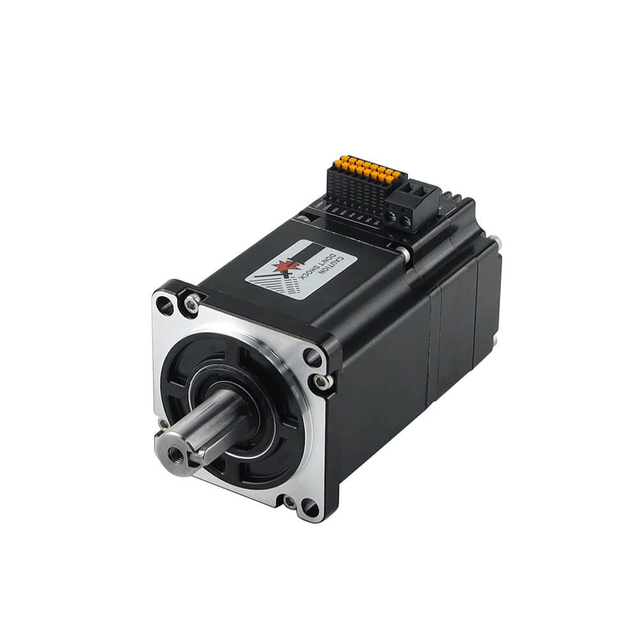 | 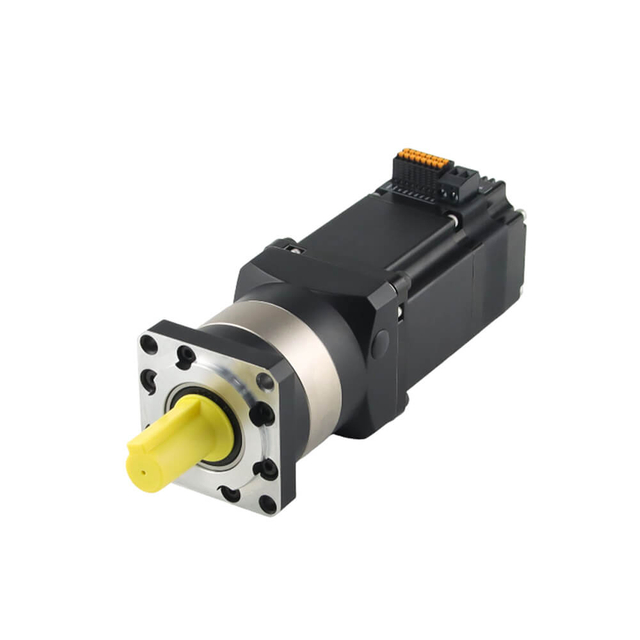 | 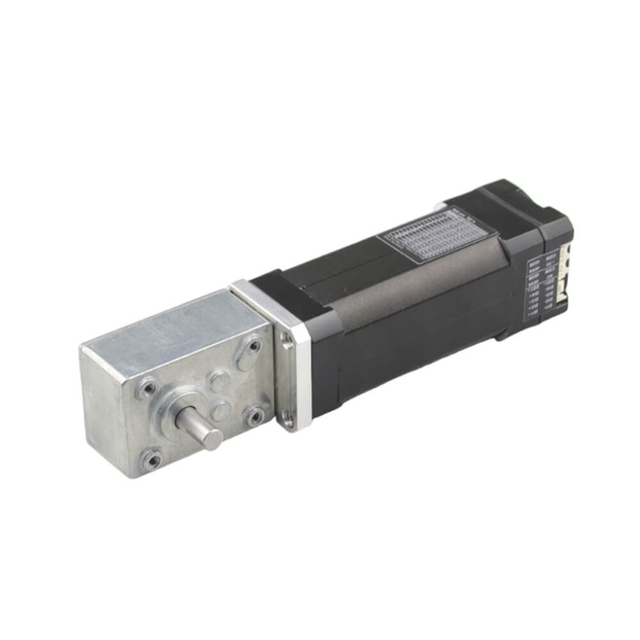 | 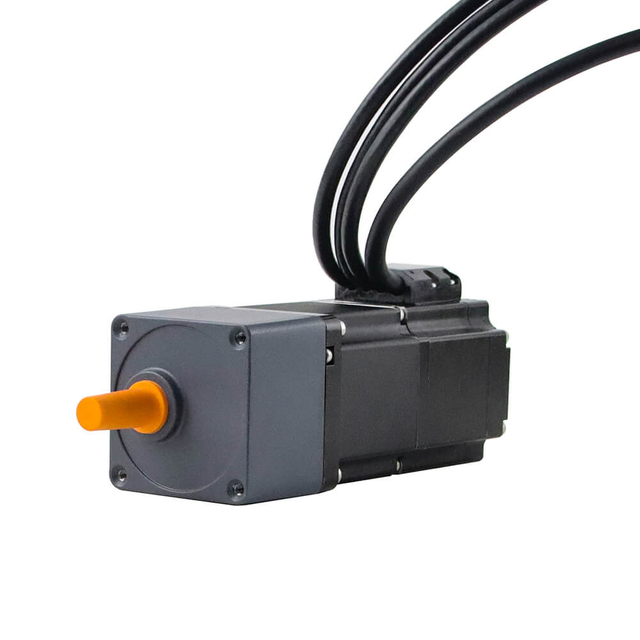 |
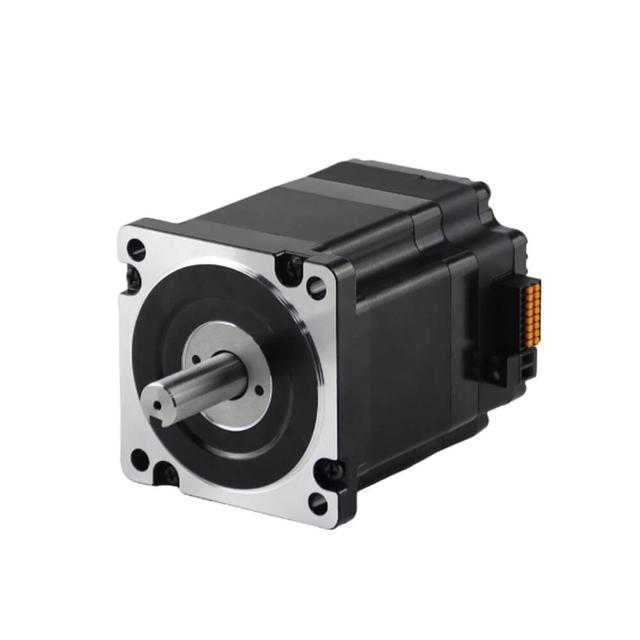
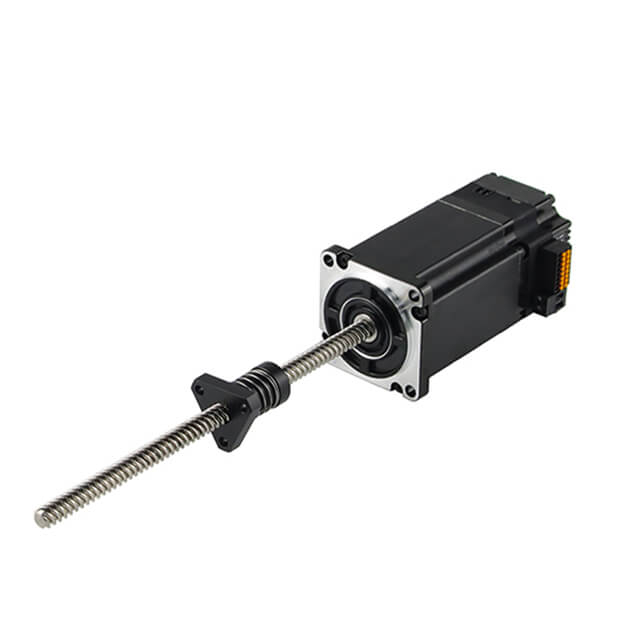
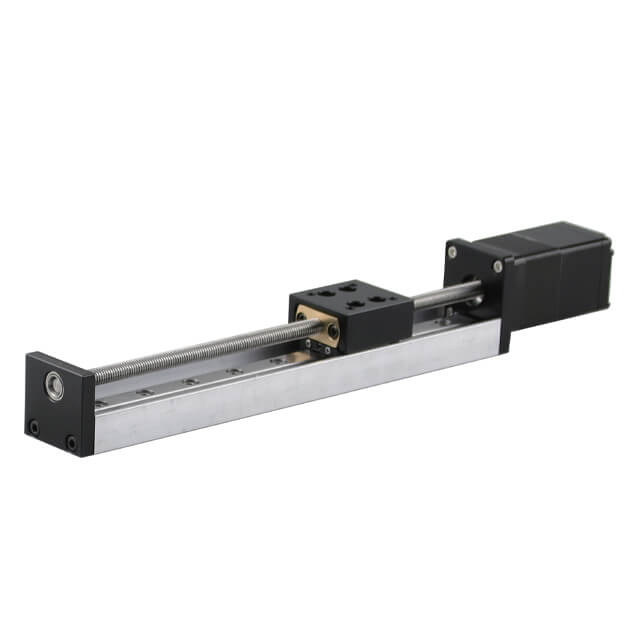
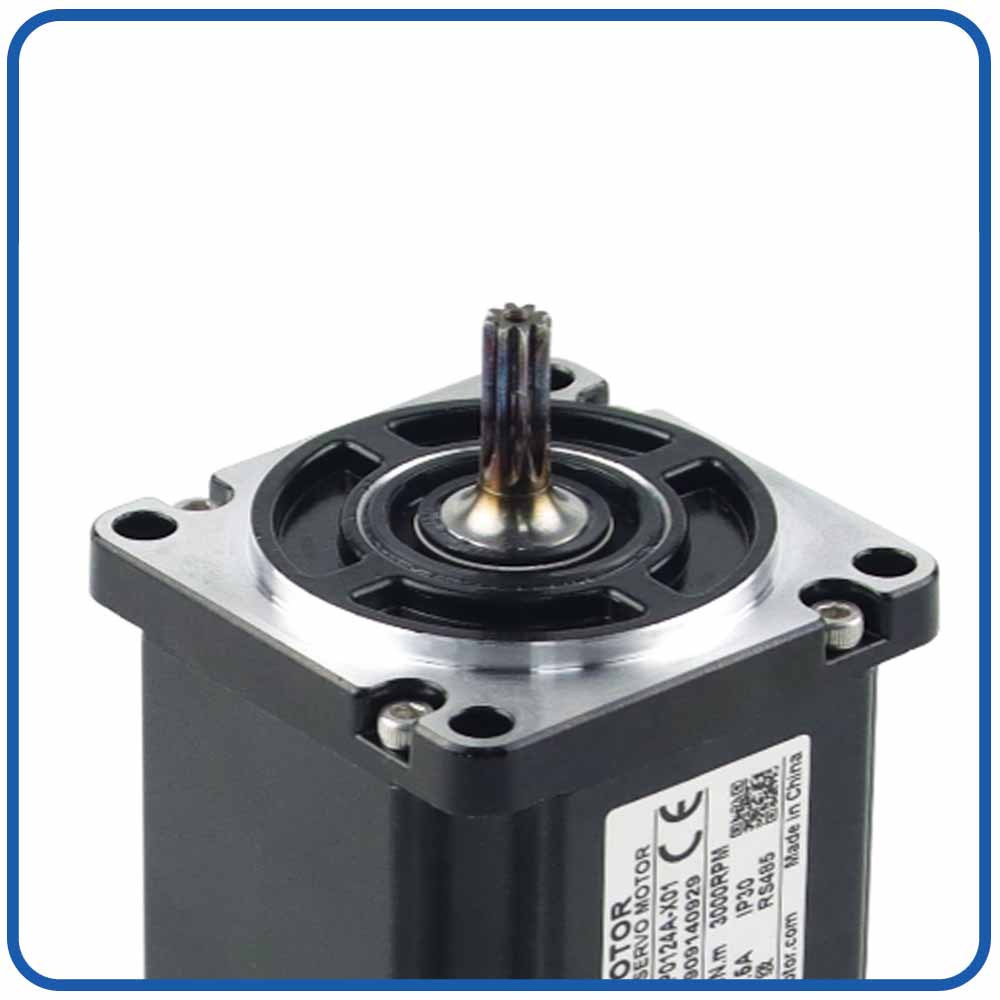
BESFOC Integrated Stepper servo Motors Products
 | |  |  |
 |  |  |  |  |
|---|---|---|---|---|
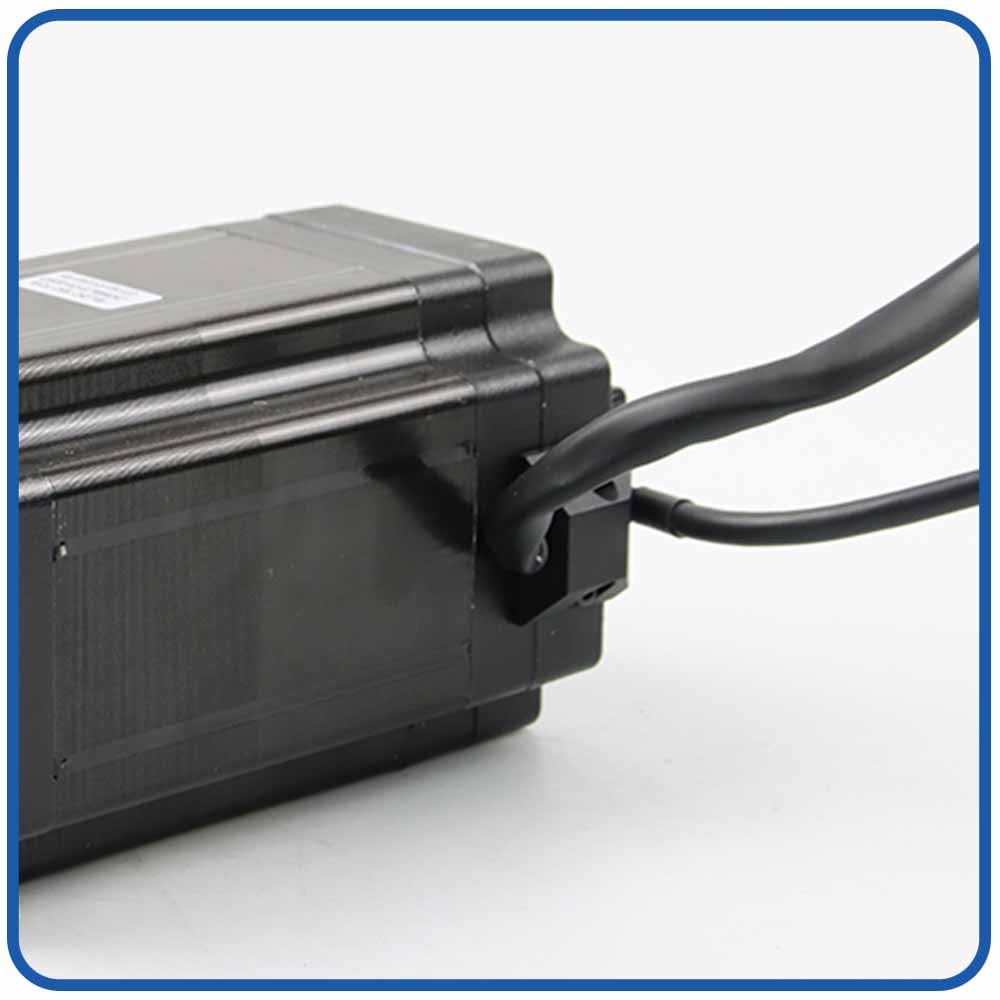
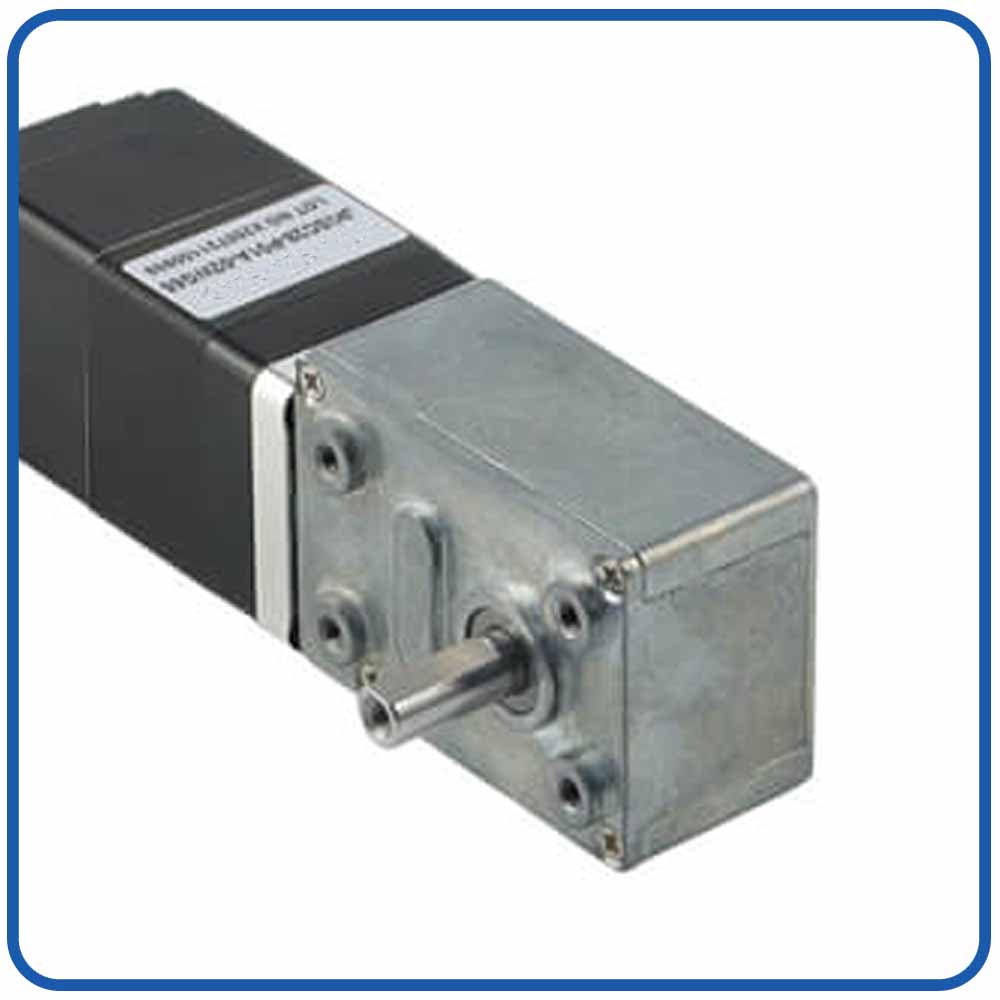
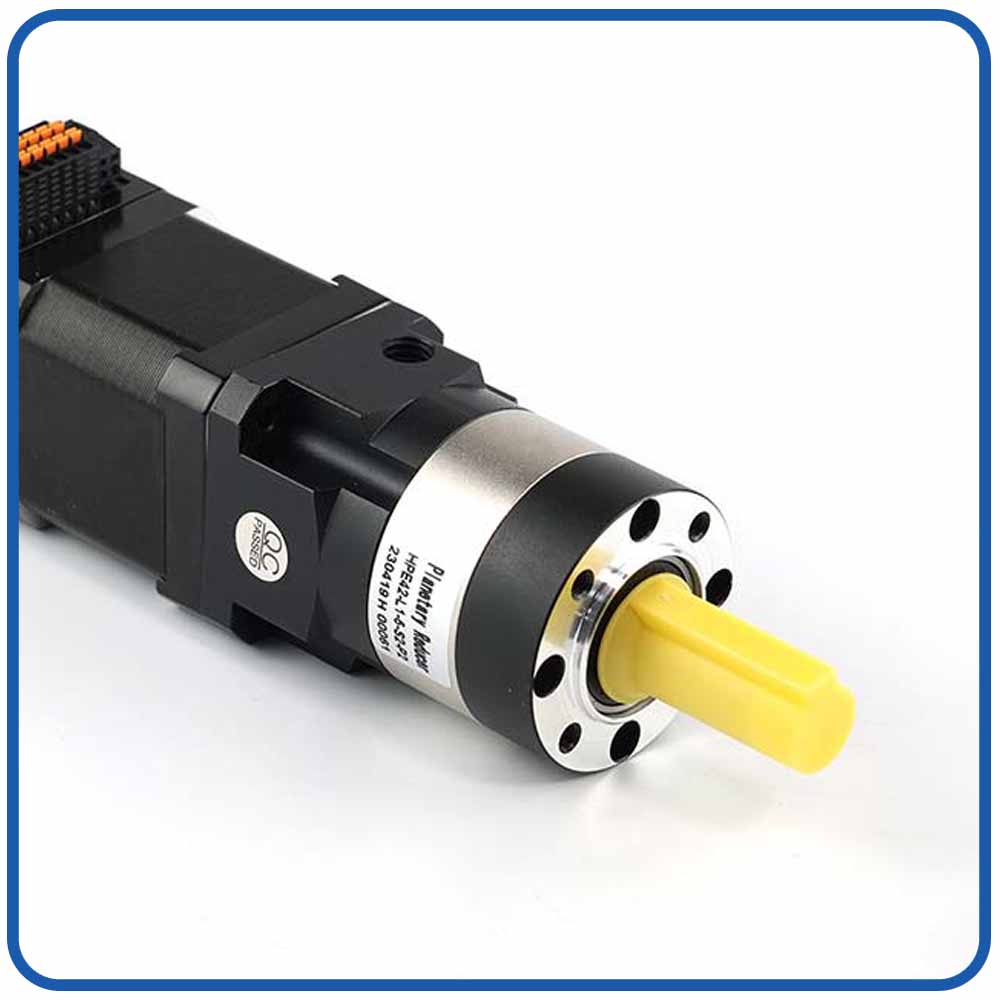
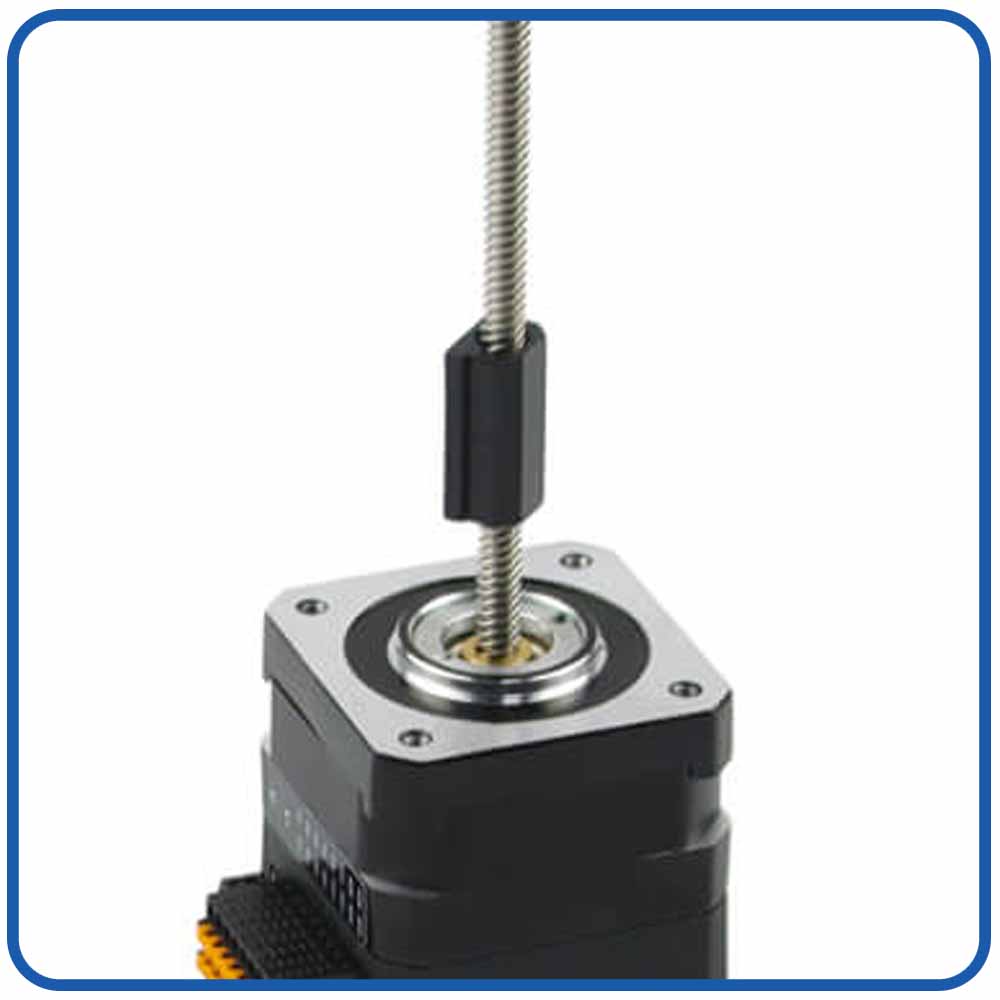
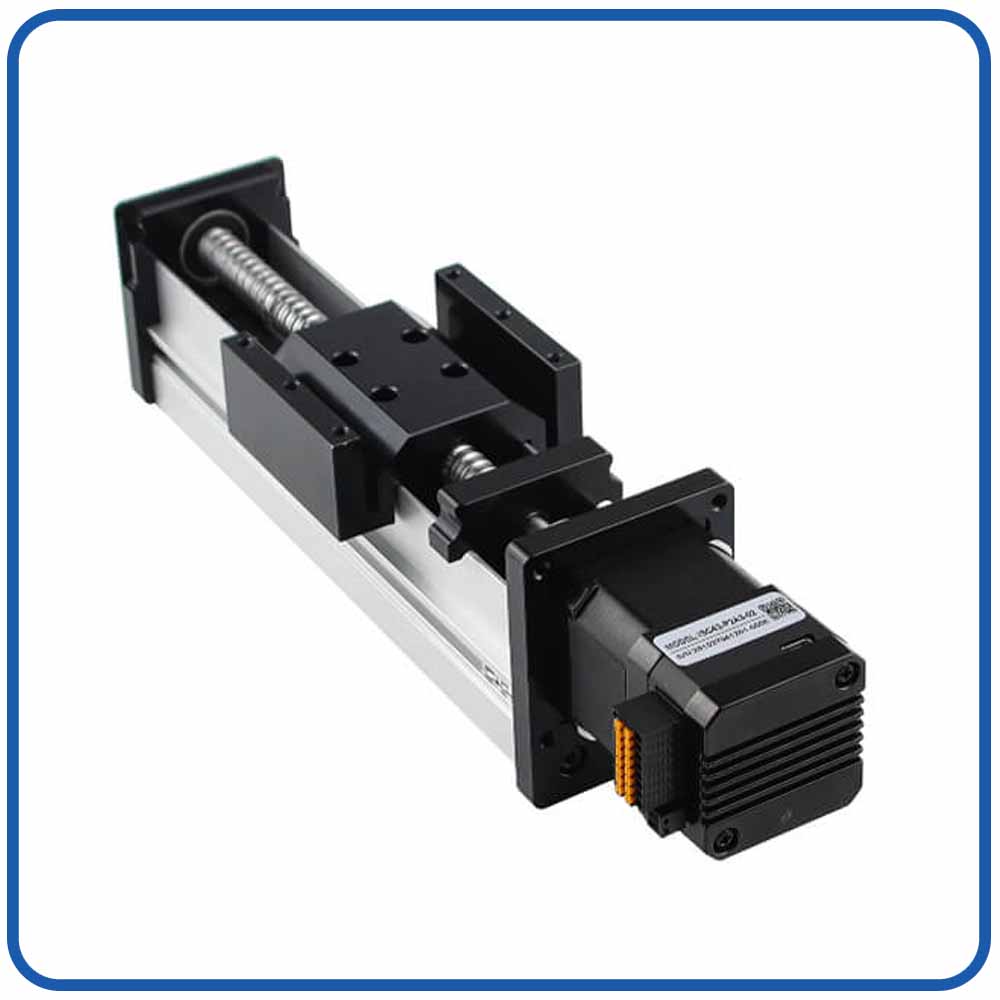
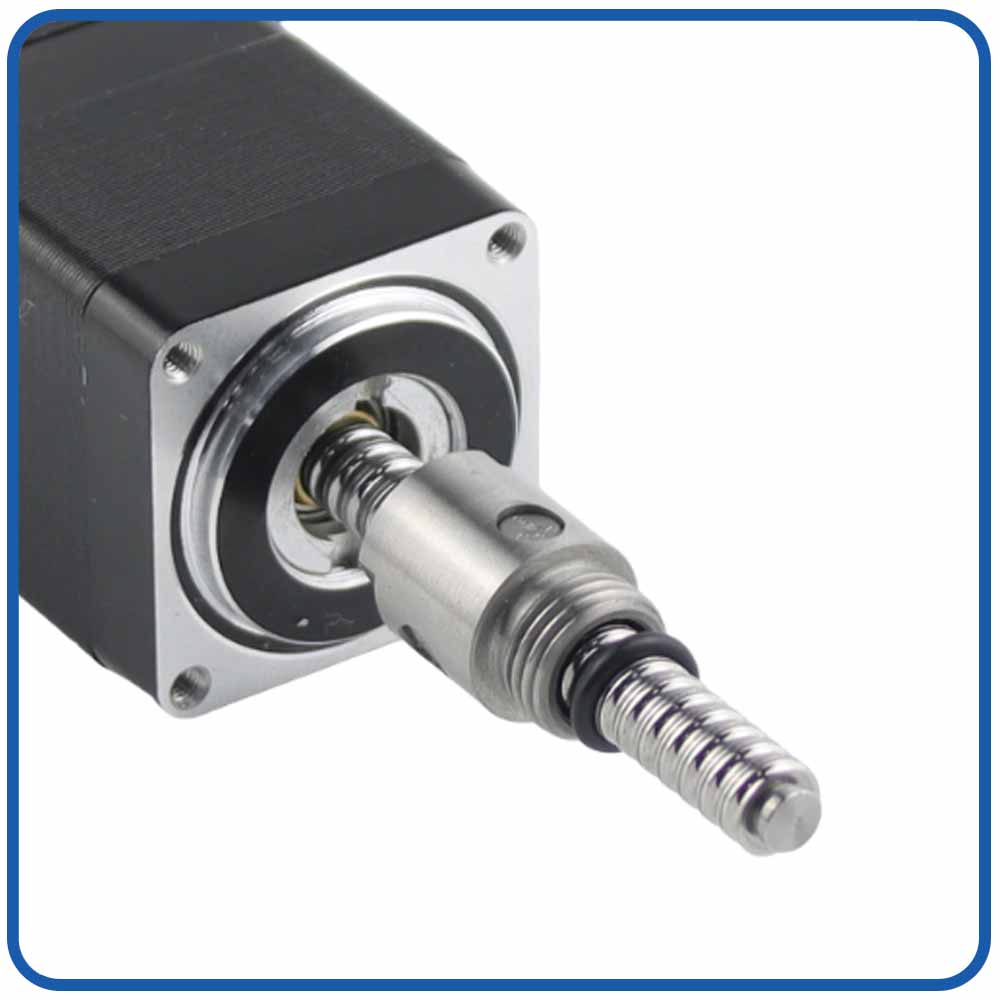
Shaft | Terminal housing | Worm Gearbox | Planetary Gearbox | Lead Screw |
 |  |  |  |  |
Linear Motion | Ball Screw | Brake | IP-Level |
 |  |  |  |  |  |
|---|---|---|---|---|---|
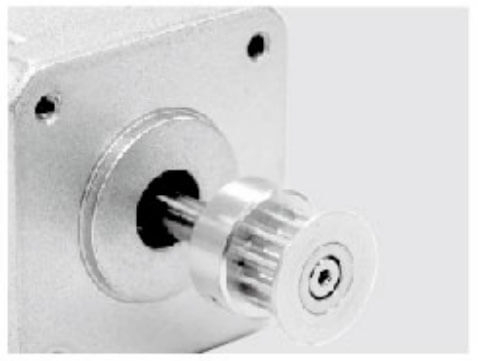
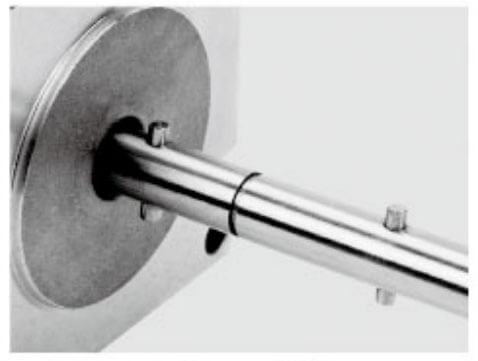
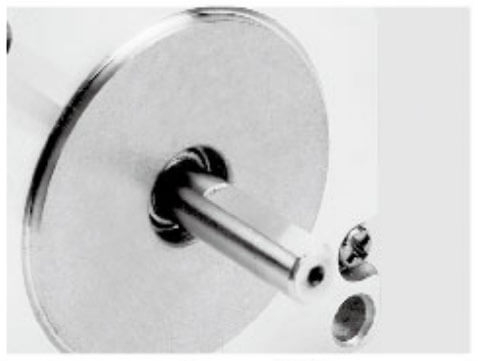
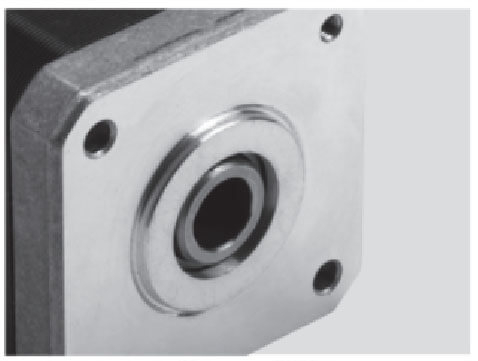
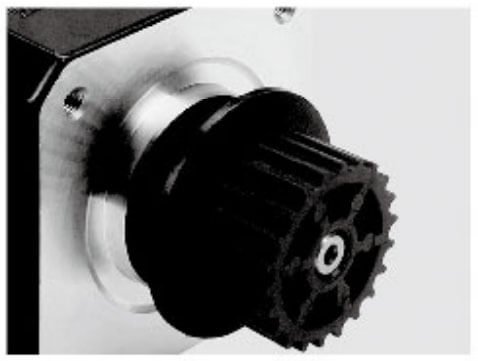
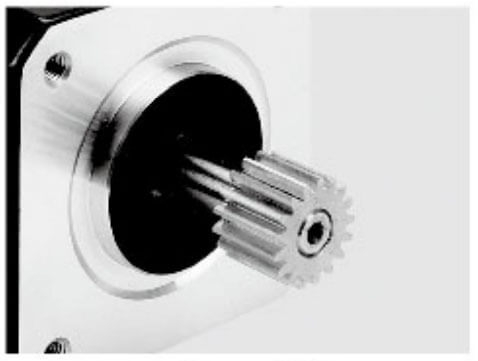
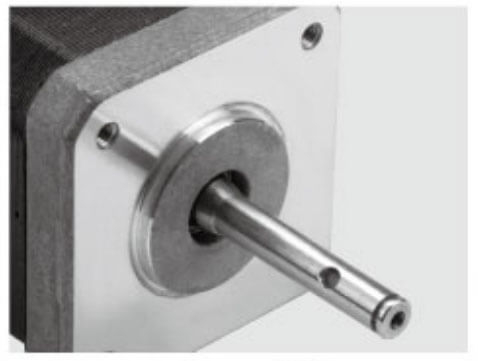
Aluminum Pulley | Shaft Pin | Single D Shaft | Hollow Shaft | Plastic Pulley | Gear |
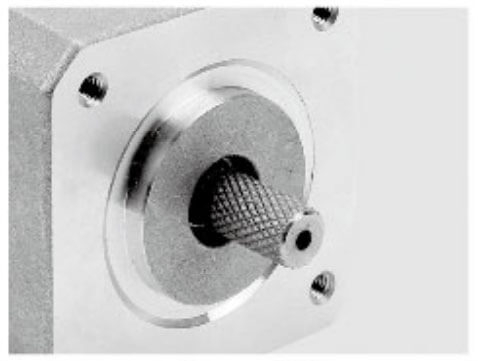 | 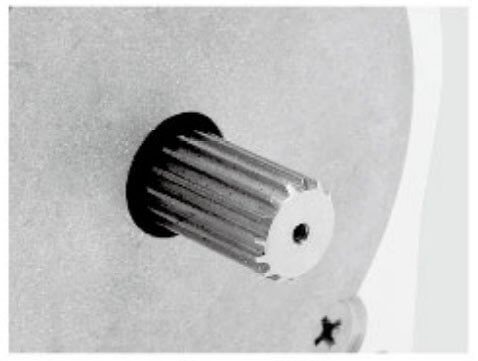 | 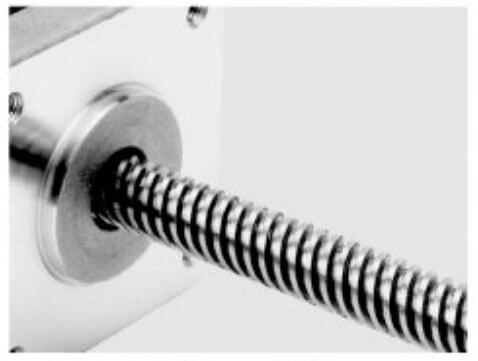 |  | 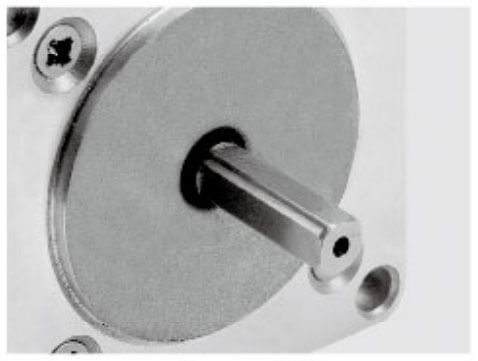 | 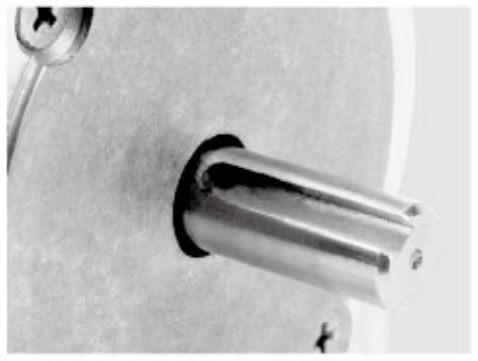 |
Knurling | Hobbing Shaft | Screw Shaft | Hollow Shaft | Double D Shaft | Keyway |
Integrated servo motors improve positioning accuracy through closed-loop feedback, high-resolution encoder technology, and real-time motion control. By combining the motor, servo drive, and control electronics into one compact unit, they enable picking robots to achieve precise, repeatable movements when handling products, aligning grippers, and positioning robotic joints.
Integrated servo motors continuously compare the commanded position with the actual motor position using encoder feedback. When a deviation occurs, the controller adjusts the motor output to reduce the positioning error.
This real-time correction helps picking robots maintain consistent accuracy despite changes in speed, payload, or operating conditions.
High-resolution encoders provide detailed information about motor position and movement. This feedback allows the servo controller to detect small position changes and regulate motion more precisely.
For picking robots, accurate feedback helps grippers align with target objects and enables repeatable pick-and-place operations. However, overall positioning accuracy also depends on gearbox backlash, mechanical rigidity, encoder accuracy, and transmission design.
During rapid acceleration and deceleration, robotic joints may experience overshoot or vibration that affects positioning accuracy. Integrated servo motors use adjustable position, velocity, and current control loops to regulate motion and improve stability.
Proper servo tuning helps minimize overshoot, reduce settling time, and ensure that the robot reaches its target position smoothly before the next picking operation begins.
Integrated servo motors regulate torque and speed according to real-time motion requirements. This enables picking robots to accelerate quickly, decelerate smoothly, and maintain stable movement under varying loads.
By optimizing acceleration profiles and torque output, engineers can improve positioning repeatability while maintaining high picking speeds.
Integrating the motor, drive, and control electronics reduces external wiring and simplifies system architecture. Depending on the model, industrial communication interfaces such as CANopen or EtherCAT can support coordinated motion across multiple robotic axes.
Reliable communication and synchronized control help maintain consistent movement timing and improve overall robotic positioning performance.
Integrated servo motors improve picking robot positioning accuracy by combining closed-loop control, encoder feedback, precise torque regulation, and optimized motion profiles. When correctly sized and tuned, they help reduce positioning errors, minimize vibration, and improve pick-and-place repeatability, supporting higher productivity in automated warehouses and intelligent manufacturing systems.
Closed-loop control enhances motion stability by continuously monitoring actual motor performance and adjusting motor output to minimize deviations from commanded motion. In picking robots, this process helps reduce overshoot, vibration, and positioning errors during acceleration, deceleration, and frequent direction changes.
Integrated servo motors use encoder feedback to measure actual position and speed. The servo controller compares these values with the target commands and corrects deviations in real time.
This continuous feedback helps robotic joints maintain stable movement under changing payloads and operating conditions, improving positioning repeatability during pick-and-place operations.
Rapid movements can cause a robot to overshoot its target or experience mechanical vibration. Closed-loop servo control adjusts motor torque and speed to bring the system toward the commanded position with greater stability.
With proper controller tuning, engineers can reduce overshoot, limit oscillation, and shorten settling time, allowing the robot to stabilize before gripping or releasing an object.
Picking robots handle products with different weights, which can change the inertia and torque required for movement. Closed-loop control responds to these changes by adjusting motor output according to feedback and control requirements.
This helps maintain consistent motion performance during repeated picking cycles, although actual stability also depends on motor sizing, mechanical rigidity, gearbox backlash, and controller tuning.
Integrated servo motors commonly use three coordinated control loops:
Current loop: Regulates motor current to control torque response.
Speed loop: Maintains the commanded velocity and responds to speed deviations.
Position loop: Corrects position errors and guides the motor toward the target.
When properly configured, these loops improve dynamic response and motion stability while balancing responsiveness against vibration and overshoot.
Closed-loop control enhances motion stability in picking robots through continuous feedback, real-time error correction, precise torque regulation, and coordinated servo control loops. By reducing overshoot and vibration while maintaining consistent performance under variable loads, integrated servo motors help robots achieve more reliable positioning, smoother movement, and higher picking efficiency.
In high-throughput warehouses, picking speed directly affects order fulfillment efficiency. Robots must move quickly between locations while maintaining sufficient accuracy for reliable product handling.
Integrated servo motors support rapid acceleration, controlled deceleration, and responsive speed regulation. Their compact architecture also reduces the number of external components required for motor control, simplifying installation and system integration.
With properly configured motion profiles, picking robots can achieve faster movement while limiting overshoot and vibration.
Key performance factors include:
High dynamic response: Enables rapid changes in speed and direction.
Accurate speed control: Maintains predictable motion during robotic operations.
Optimized acceleration profiles: Reduces unnecessary movement time.
Short settling time: Helps the robot begin the next operation sooner.
Increasing speed without considering payload, mechanical stiffness, and braking requirements can reduce accuracy. Therefore, motion profiles should be optimized for both productivity and positioning performance.
Traditional servo systems often use separate motors, drives, feedback cables, and control connections. Integrated servo motors combine major components into a single unit, reducing installation complexity and simplifying machine design.
This architecture offers several advantages:
Reduced wiring: Fewer external power and feedback connections simplify installation.
Compact construction: Helps robot designers save space in joints and motion modules.
Simplified commissioning: Integrated electronics can reduce system configuration effort.
Flexible integration: Supports modular robotic designs and distributed motion control.
For compact picking robots operating in space-constrained warehouse environments, these benefits can simplify mechanical layouts and reduce the complexity of electrical cabinets.
However, engineers should evaluate heat dissipation, maintenance access, communication interfaces, and environmental protection before selecting an integrated servo motor.
Picking robots often coordinate multiple axes, sensors, grippers, and warehouse control systems. Reliable communication is necessary to synchronize these components and execute motion commands correctly.
Depending on the model, integrated servo motors may support industrial communication interfaces such as CANopen, EtherCAT, or Modbus RTU.
These protocols serve different control requirements:
CANopen: Supports distributed device control and standardized motion-related communication.
EtherCAT: Provides high-speed, low-latency communication for coordinated multi-axis applications.
Modbus RTU: Offers a widely used serial communication option for simpler automation architectures.
The appropriate protocol depends on synchronization requirements, network topology, controller compatibility, and system complexity.
When multiple robot axes must move together, communication latency and timing consistency can affect overall motion performance. Selecting a compatible interface helps maintain coordinated movement and reliable execution of picking sequences.
Selecting the right integrated servo motor for picking robots requires evaluating torque, speed, positioning accuracy, encoder performance, communication protocols, and installation constraints. The motor must deliver sufficient dynamic performance to handle the robot's payload while maintaining precise, repeatable movements throughout continuous picking cycles.
We should calculate the torque required to accelerate the robot's moving components, overcome friction, and handle external loads. For rotary joints, the calculation should consider load inertia, acceleration, gravity, and transmission efficiency.
Motor speed should match the required movement distance and cycle time. We should also distinguish between continuous rated torque and peak torque to ensure that the motor can handle both normal operation and short acceleration peaks without overheating.
Picking robots often require precise gripper alignment and repeatable positioning. We should select an integrated servo motor with suitable encoder feedback and control performance for the application's accuracy requirements.
However, encoder resolution alone does not determine system accuracy. Gearbox backlash, coupling flexibility, structural deformation, and mechanical tolerances must also be considered.
High-speed picking applications require rapid acceleration, controlled deceleration, and short settling times. We should evaluate the motor's torque-speed characteristics, inertia compatibility, and servo control performance.
Properly configured position, velocity, and current loops help reduce overshoot and vibration, allowing the robot to reach target positions efficiently and consistently.
The communication interface must match the robot controller and automation architecture. Depending on the application, integrated servo motors may support:
CANopen: Suitable for distributed motion control and standardized device communication.
EtherCAT: Appropriate for high-speed, synchronized multi-axis motion.
Modbus RTU: Useful for applications requiring straightforward serial communication.
We should verify supported operating modes, synchronization requirements, communication timing, and controller compatibility before selecting a motor.
Integrated servo motors combine the motor, drive, and control electronics in a compact assembly, reducing external wiring and simplifying installation.
For picking robots, we should evaluate motor dimensions, mounting options, heat dissipation, ambient temperature, and protection ratings. Compact designs are particularly beneficial for robotic joints with limited installation space, but thermal performance must remain sufficient for the required duty cycle.
Before final selection, we should assess the expected operating hours, acceleration frequency, payload variations, maintenance requirements, and environmental conditions.
A practical selection checklist includes:
Rated and peak torque
Rated speed and maximum speed
Encoder resolution and positioning performance
Load inertia and acceleration requirements
Communication protocol compatibility
Thermal limits and duty cycle
Mechanical dimensions and protection rating
Selecting the right integrated servo motor for picking robots requires balancing torque, speed, positioning accuracy, dynamic response, communication compatibility, and thermal performance. By calculating the actual motion requirements and evaluating the complete mechanical and control system, we can select a motor that delivers reliable positioning, consistent picking accuracy, and efficient operation in automated warehouses and intelligent manufacturing systems.
Integrated servo motors improve motion accuracy in picking robots through closed-loop feedback, precise position control, responsive torque regulation, and simplified system integration. These capabilities help robotic systems achieve repeatable positioning, stable movement, and faster pick-and-place cycles.
For warehouse automation and intelligent manufacturing, selecting the right motor requires evaluating torque, speed, encoder performance, communication protocols, and mechanical transmission characteristics.
By matching integrated servo motor specifications to the robot's actual operating conditions, engineers can build picking systems that deliver higher accuracy, improved productivity, and more reliable long-term operation.
An integrated servo motor for picking robots combines a servo motor, drive electronics, and feedback components into a compact unit. It provides precise position, speed, and torque control for robotic joints, grippers, and pick-and-place mechanisms.
Integrated servo motors improve motion accuracy through closed-loop feedback, encoder monitoring, and real-time error correction. These functions help picking robots reduce positioning deviations, improve repeatability, and achieve more consistent pick-and-place movements.
Encoder feedback measures the motor's actual position and movement, allowing the servo controller to compare actual performance with commanded motion. High-quality feedback supports precise positioning, although overall accuracy also depends on mechanical rigidity, gearbox backlash, and control tuning.
Closed-loop control continuously adjusts motor output based on feedback. It helps reduce positioning errors, overshoot, and unwanted motion variations, enabling picking robots to achieve smoother movements and more consistent operating cycles.
Yes. Integrated servo motors can support rapid acceleration, controlled deceleration, and responsive speed regulation. When correctly sized and tuned, they help reduce movement and settling times while maintaining the positioning accuracy required for reliable picking operations.
Common options include CANopen, EtherCAT, and Modbus RTU, depending on the motor model and controller requirements. EtherCAT is often suitable for synchronized multi-axis motion, CANopen supports distributed device control, and Modbus RTU can serve simpler serial communication applications.
Integrated servo motors combine major motion-control components into one assembly, reducing external wiring and the need for separately installed drive units. Their compact design can simplify robotic joint layouts, electrical integration, and system commissioning.
We should evaluate rated and peak torque, operating speed, load inertia, encoder performance, communication interfaces, installation dimensions, and thermal requirements. Proper motor sizing should account for payload, acceleration, duty cycle, and the mechanical transmission system.
Yes. Closed-loop feedback and consistent motion control help integrated servo motors return to commanded positions across repeated cycles. Actual system repeatability depends on encoder performance, mechanical tolerances, load conditions, and controller configuration.
Key factors include encoder accuracy, servo tuning, motor torque, load inertia, gearbox backlash, mechanical rigidity, vibration, and communication timing. Optimizing these elements together helps improve positioning accuracy and overall picking efficiency.


